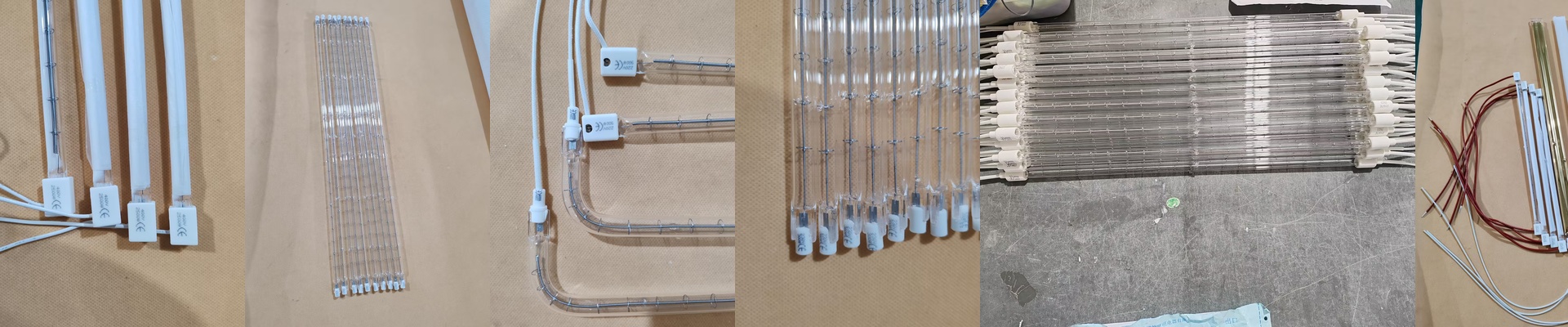
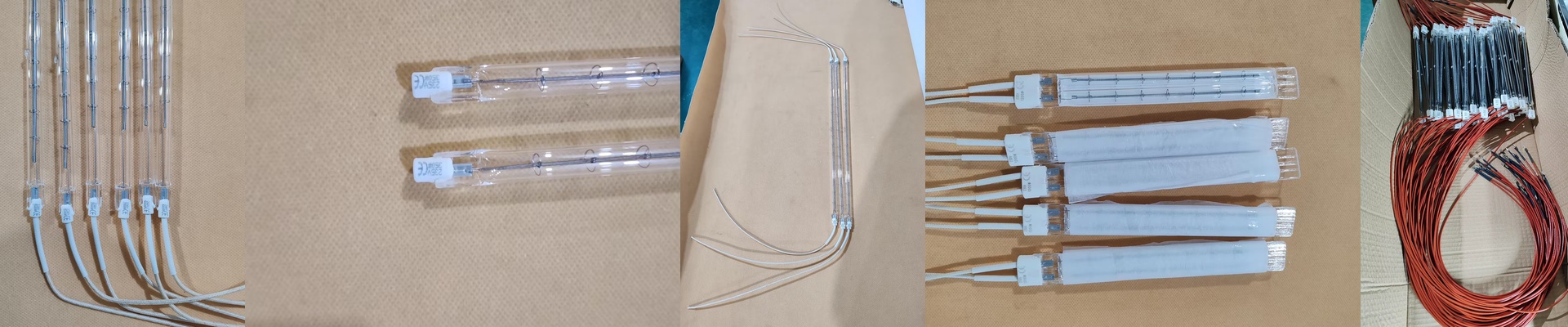
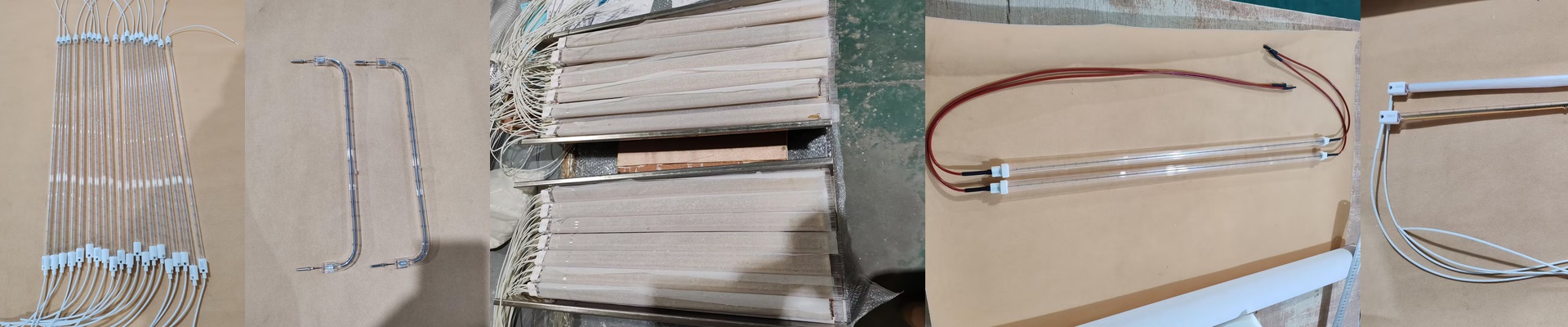
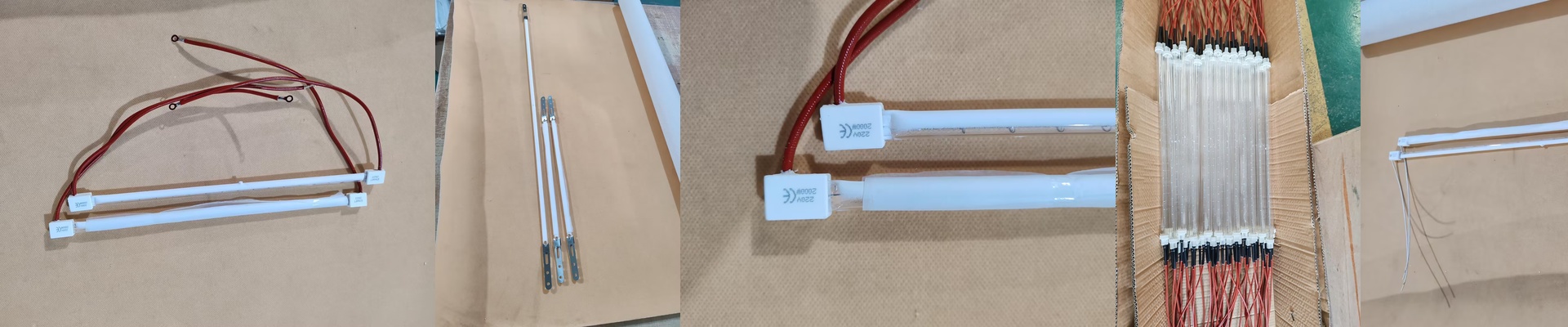
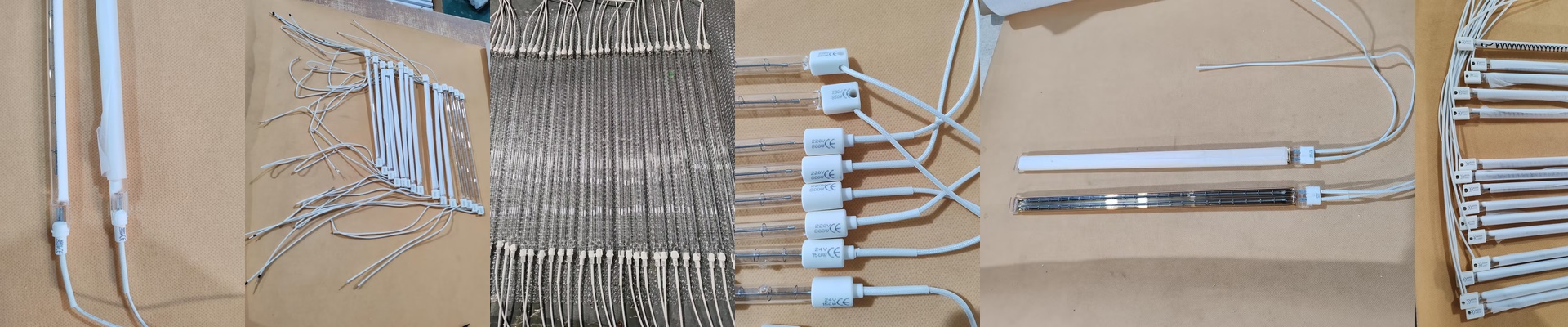
Meet the 400W halogen lamp. It’s not your average light bulb. This is a compact powerhouse—an infrared heat source built for the tough stuff: industrial heating, curing, and thermal work that has to happen fast.
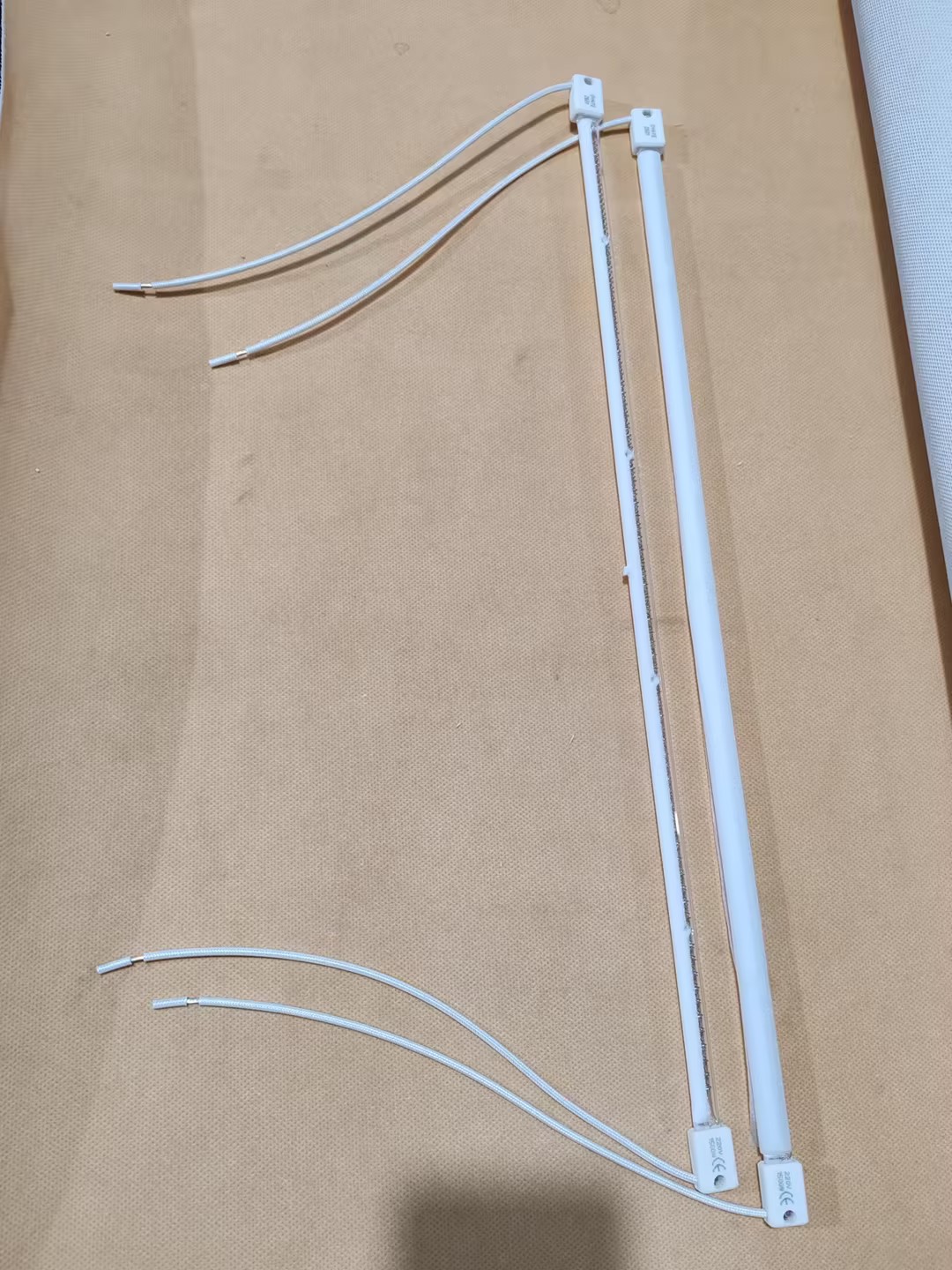
It’s all about predictable heat in a small footprint, where space is tight and timing matters.
Power, voltage, and the nitty-gritty
That 400W rating means 400 joules of radiant energy per second. In plain English? It heats up fast and hits the heat the moment you need it. But here’s the catch: it’s designed for a specific voltage—usually 230V or 400V, depending on the build. Match the supply to the rating, or the output drops and the filament burns out sooner than it should. At roughly 300mm long, the tube is sized to drop into standard concentrator reflectors and fit snugly into compact heating zones. That length keeps the heat focused, so you get serious power density without needing a bigger setup.
What makes it tick: materials and design
Inside the quartz envelope, you’ve got a tungsten filament. Quartz handles the high filament temperatures and lets short-wave IR through with ease—perfect for rapid surface heating. Then there’s the halogen gas and the halogen cycle. As the filament runs, tungsten evaporates, but instead of blackening the tube, it redeposits back onto the filament. The result? Stable output and a longer life than you’d get from a standard incandescent element. Many versions add a reflector coating on the outside to push more energy forward and waste less heat. And the R7s connector? It’s a double-ended, linear-contact base that holds firm, keeps the electrical connection solid, and lets you drop the lamp straight into standard fixtures without rewiring.
Where it shines—and what to watch for
This setup is your go-to when you need quick, repeatable heat in a small space: plastic welding, adhesive curing, coating drying, and component assembly. The short-wave IR heats surfaces fast, which can help keep your line moving. The compact tube slips into tight spots and standard reflectors, so your machine footprint stays small. And with the R7s base, swapping lamps during maintenance is quick—no fuss. But there’s a trade-off. Packing 400W into a short tube creates intense local heat. So your machine needs proper airflow and shielding to protect nearby parts and keep surface temps safe.