Introduction
We built this IR lamp for one simple reason: to bring annealing right onto the production line. For big injection-molded parts, that means you can finally ditch the bulky batch ovens taking up all that floor space. And you get to slash post-processing wait times at the exact moment they happen.
Power and Layout: The Heart of the Thing
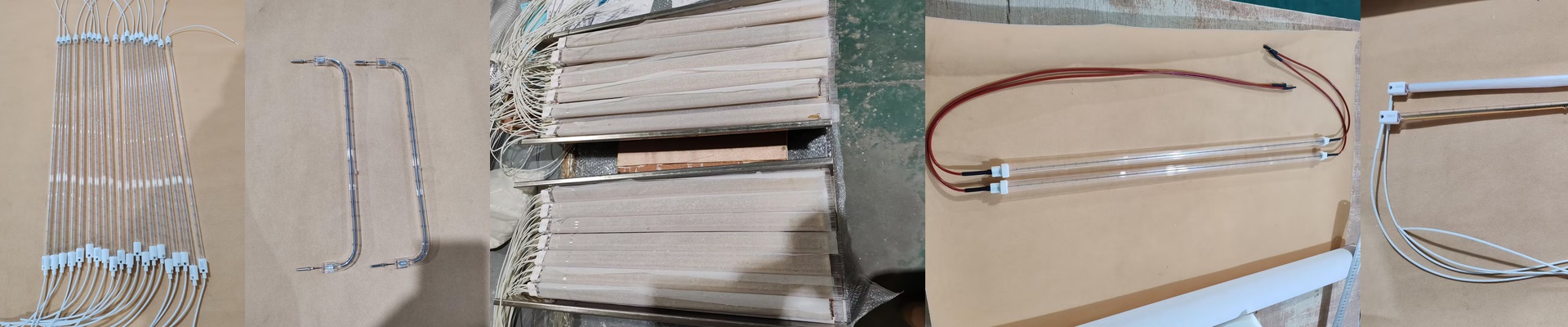
At the core of this unit is a high-voltage, high-density thermal profile. We set it up to run on 400V, and that choice isn’t random. It’s a smart trade-off. Higher voltage means lower current for the same wattage, which shrinks the conductors and keeps the wiring clean on a crowded machine. That lets us pack a ton of heat into a small footprint. The geometry is shaped to follow the contour of large panels, focusing energy right where stress builds up—without overheating the surrounding areas.
The Halogen Core: Built for Speed
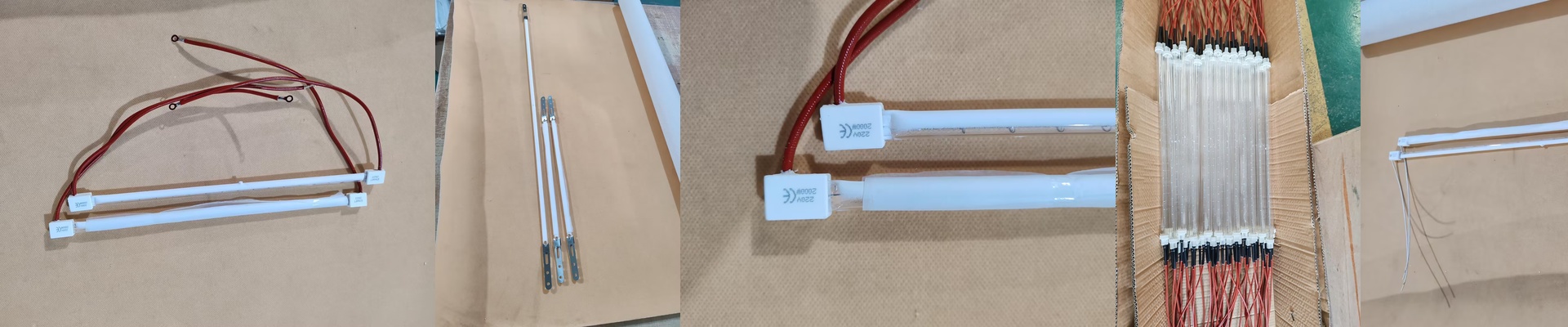
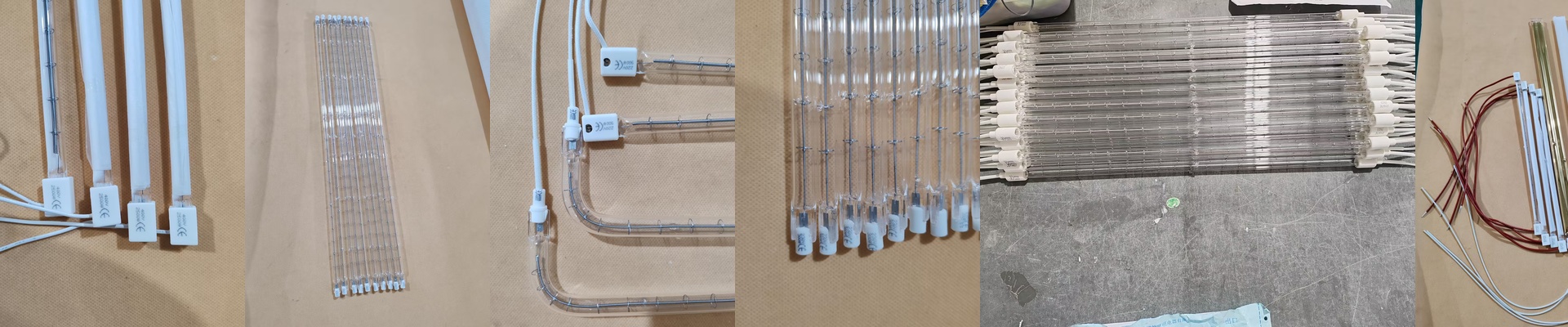
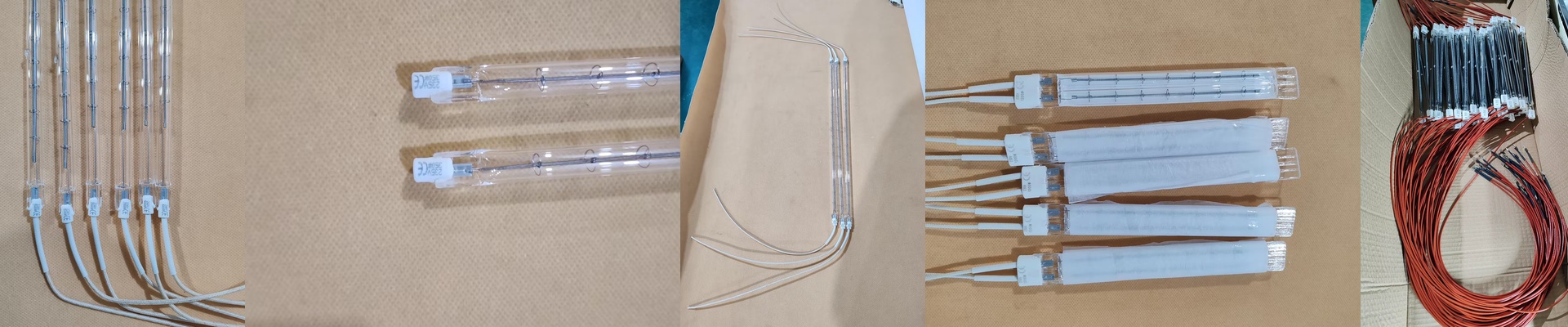
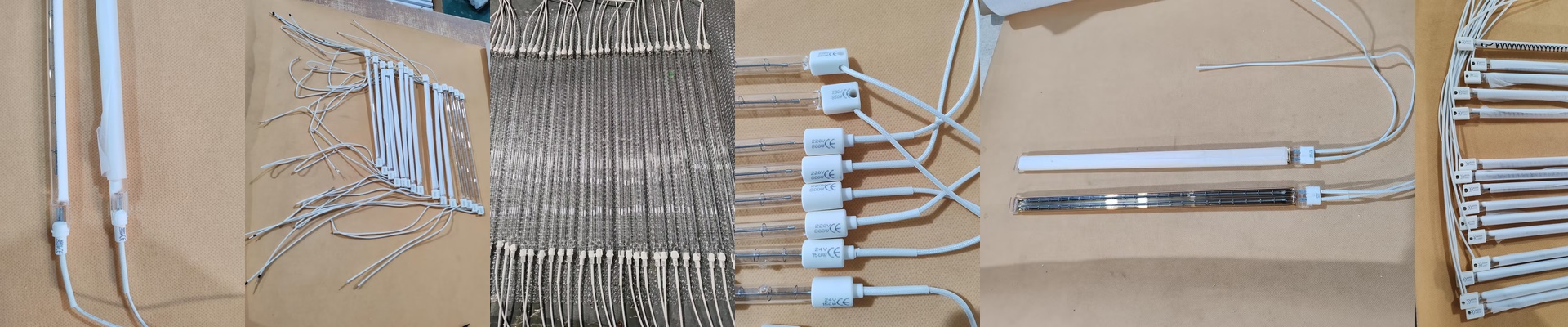
We use a halogen-based shortwave IR emitter inside a quartz tube. This setup heats up fast and responds instantly. The coating on the tube isn’t just for looks. It filters the output to match the absorption spectrum of common automotive polymers, so you waste less energy and avoid scorching the surface. And the connectors? They matter. We went with an R7s interface—industrial-grade, built to handle thermal cycling without loosening. Wire it once, and it stays connected, even through the vibration and heat of a production cell.
Online Processing: The Real Win
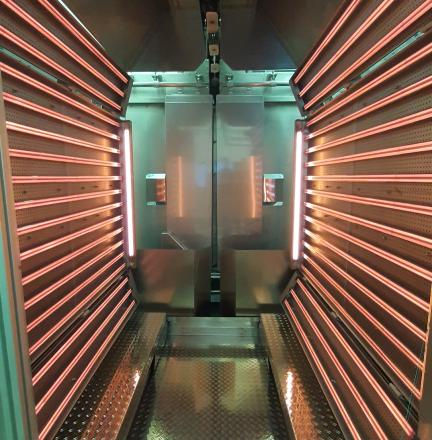
This setup makes true online annealing possible. The lamp mounts right over the conveyor or robot cell, so the part gets treated immediately after molding. Heat hits fast, relieving internal stress before the part ever reaches a separate finishing station. No more waiting around for stress to relax. No more need for big, off-line ovens. The catch? Thermal management. With this kind of power density, your machine’s cooling system needs to be ready for the extra ambient heat. But the payoff is real: shorter cycle times and a smaller plant footprint.