Infrared Halogen Heat Lamps: The Secret to Direct Cooking That Actually Works
Here’s the thing about cooking in a production setting—sometimes you need heat that hits right now. Not the kind that warms up the whole room first. The kind that goes straight where you need it, and does its job without messing up the food. That’s exactly why we built infrared halogen heat lamps for direct cooking and warming. The idea is simple: blast the surface you’re working on with intense, controllable radiant heat. No waiting. No fuss. Just immediate response, and the kind of temperature control that keeps your product consistent, batch after batch.
Power, Voltage, and Size—Made Practical
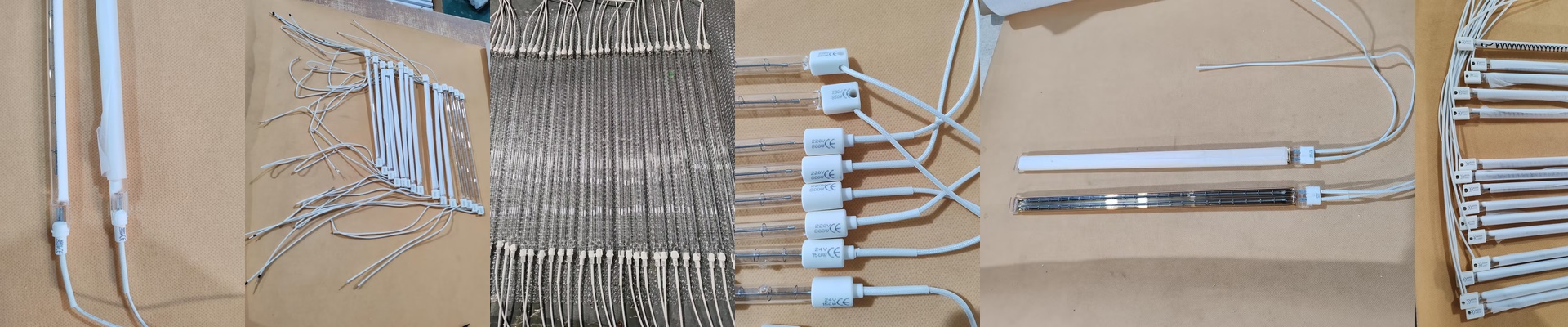
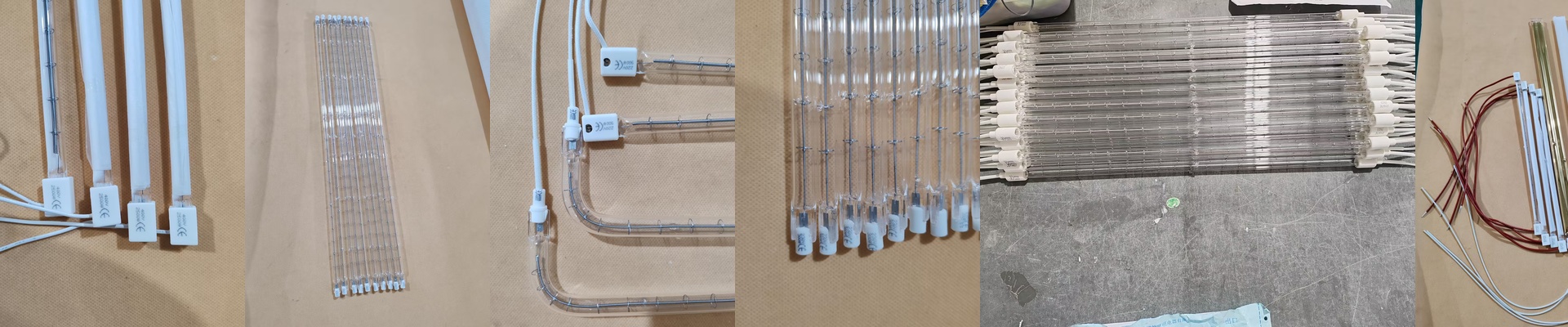
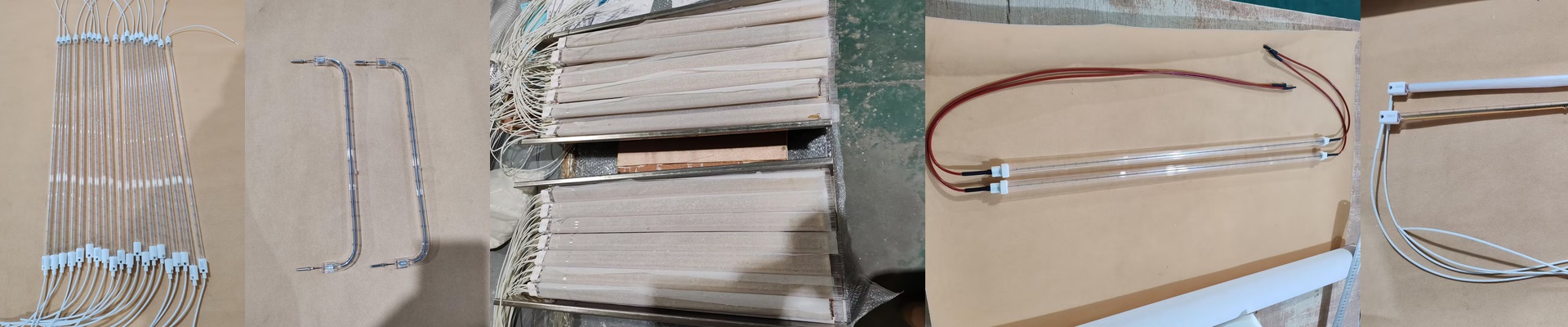
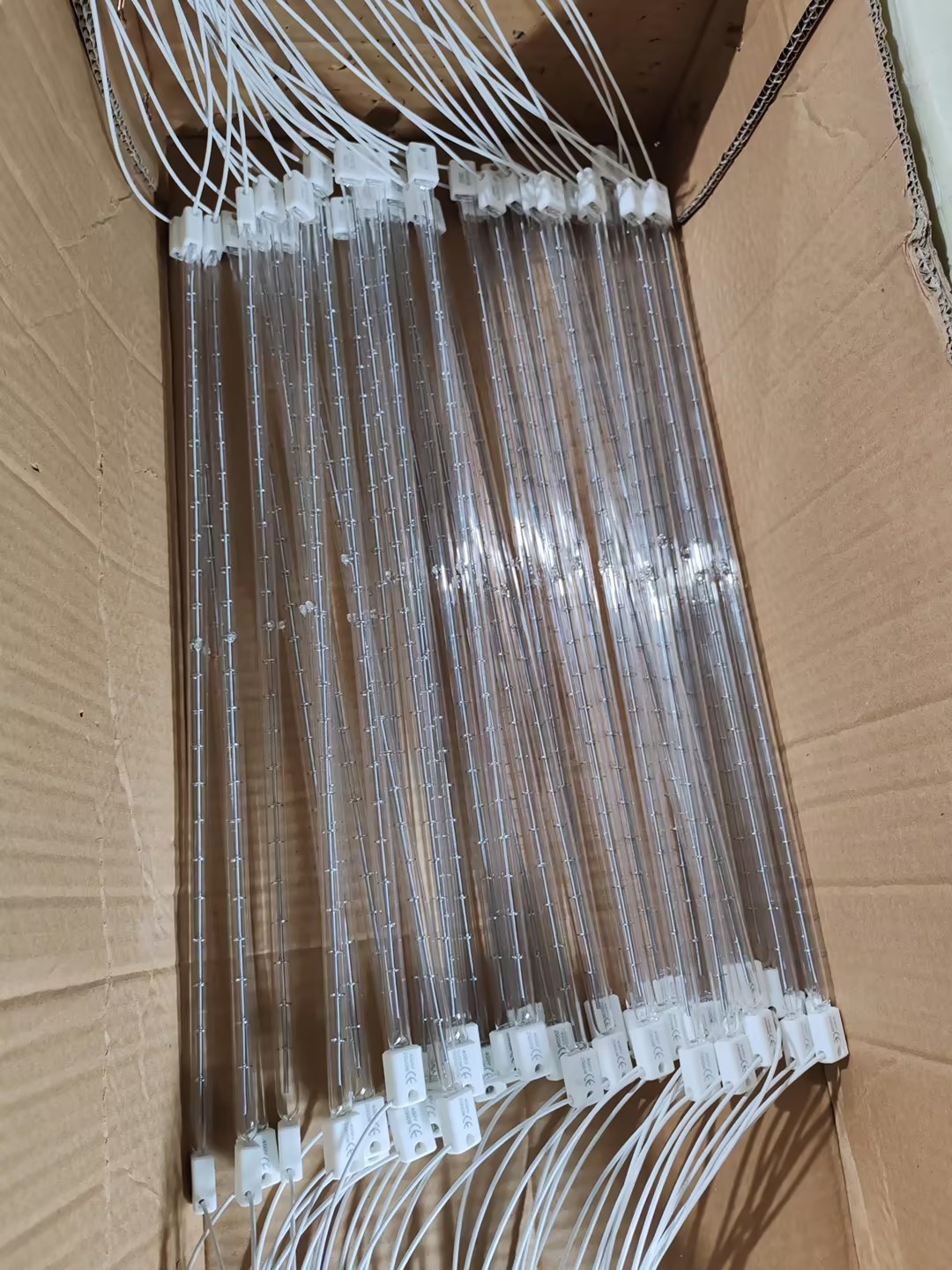
We lean into a shortwave infrared profile, and most of our lamps run at 400V and 2500W. Why? Because that combo packs a ton of power into a small space. The 300mm tube concentrates the heat, so you can pinpoint it exactly where you want it. But with that kind of punch comes responsibility. You’ll need wiring and control circuitry that can handle 400V and the full 2500W load. And since packing that power into a short tube creates serious heat density, the gear around it needs room to breathe—good thermal management so things don’t run too hot.
The Build: Quartz, Halogen, and a Connector That Won’t Quit
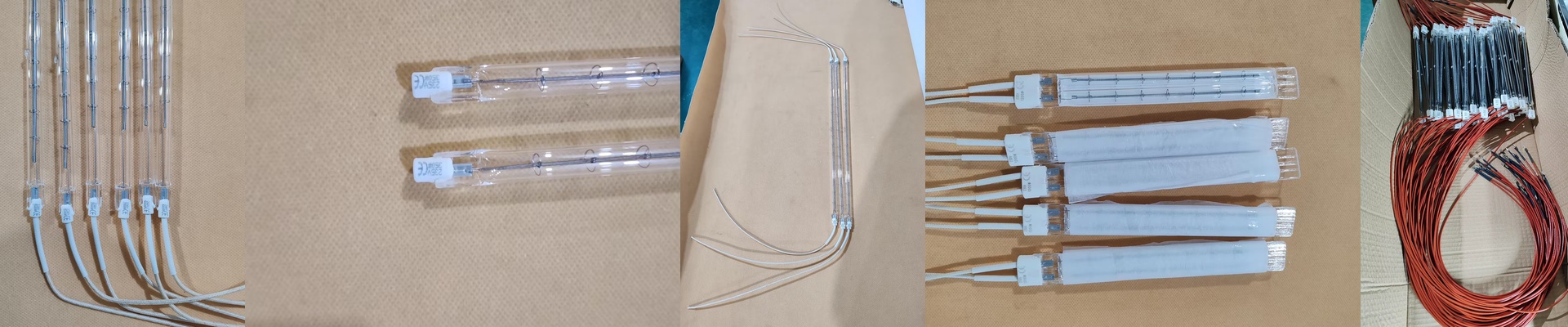
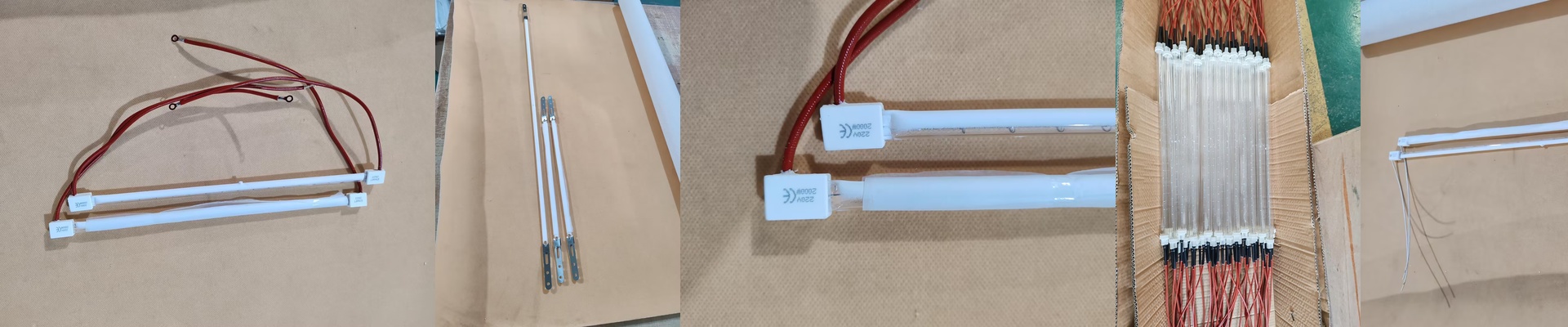
At the heart of these lamps is a halogen-filled quartz envelope. Quartz can take the extreme temperatures and stay stable, and the halogen cycle does something clever: it keeps the filament healthy. Any tungsten that evaporates gets redeposited back onto the filament, which helps the lamp last longer and prevents that annoying blackening. And the connector? We use the standard R7s. It gives you a solid two-ended connection that handles high current without wiggling loose, even when the lamp goes from cold to blazing hot over and over. It just stays put. No surprises.
What It Feels Like to Use—And What to Watch For
In real cooking terms, this setup shines at browning, searing, and keeping finished food at serving temperature. The shortwave infrared penetrates the surface fast, so you get that instant heat without drying things out. For you, that means quicker cycles and results you can count on. The 300mm tube slips into tight spots, and the R7s connection makes replacement a breeze—just drop it in and go. It’s built to handle rapid on/off cycles, but remember: this is intense heat. Plan for operator safety and make sure your equipment has the cooling it needs. Treat it with respect, and it’ll keep your line moving the way you want—hot, fast, and consistent.