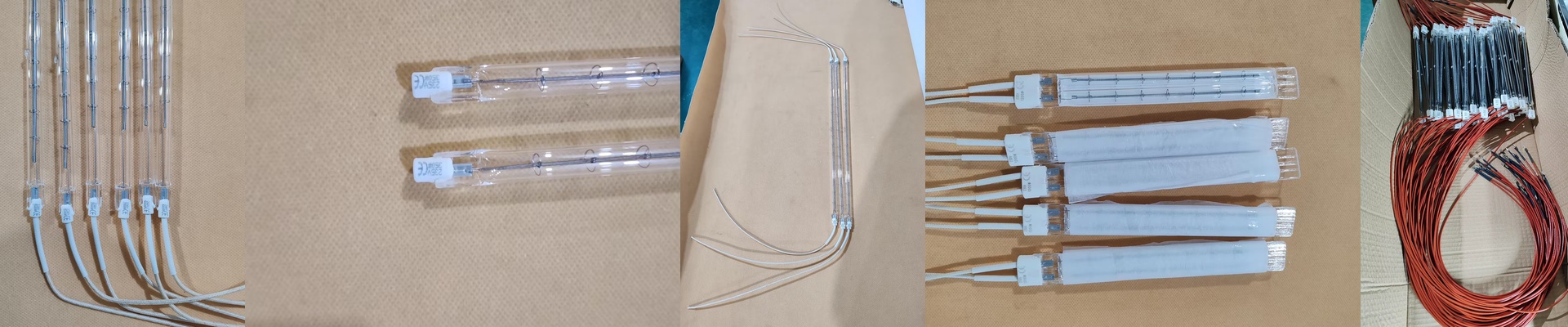
The Heat Behind the Machine
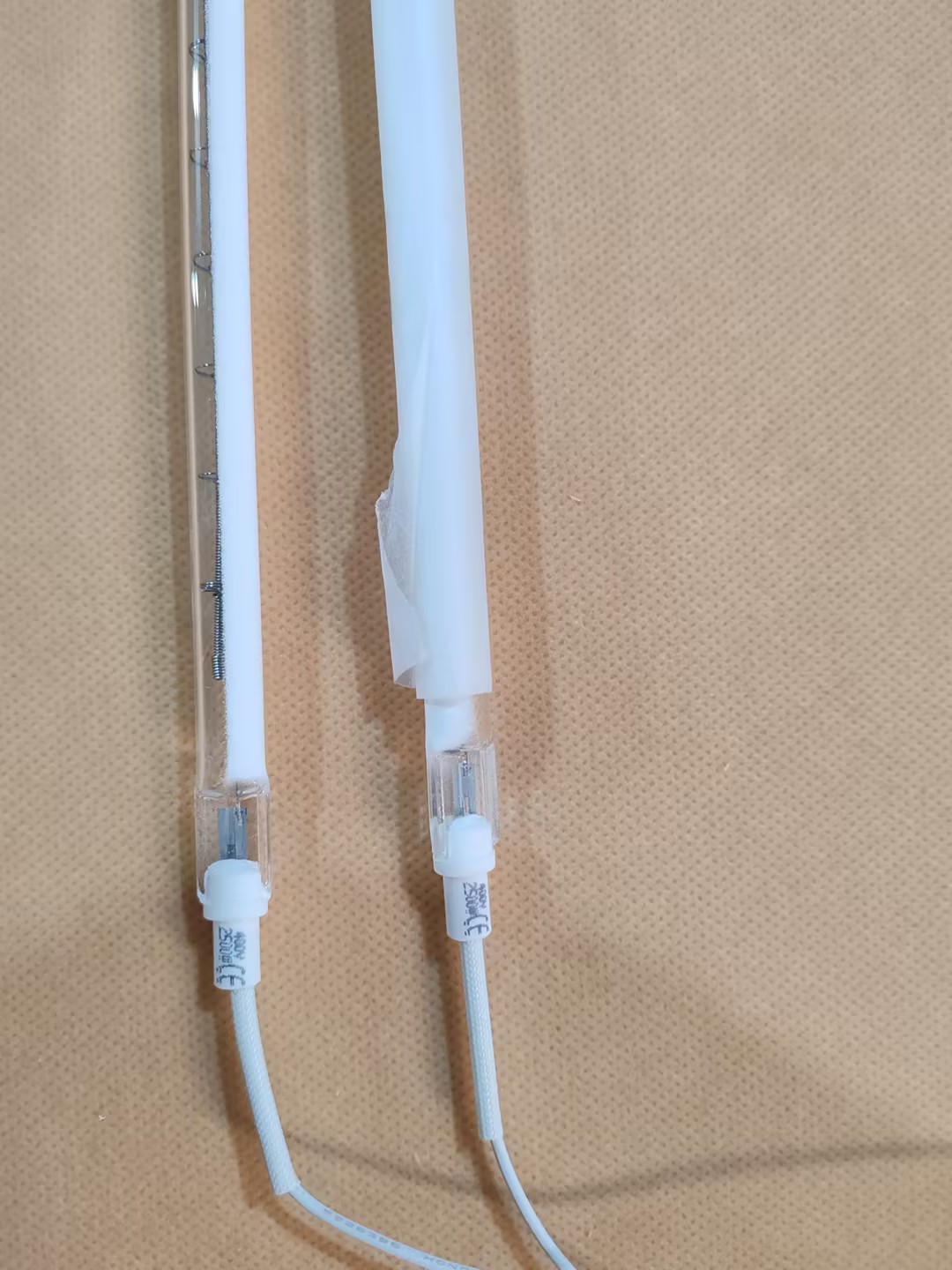
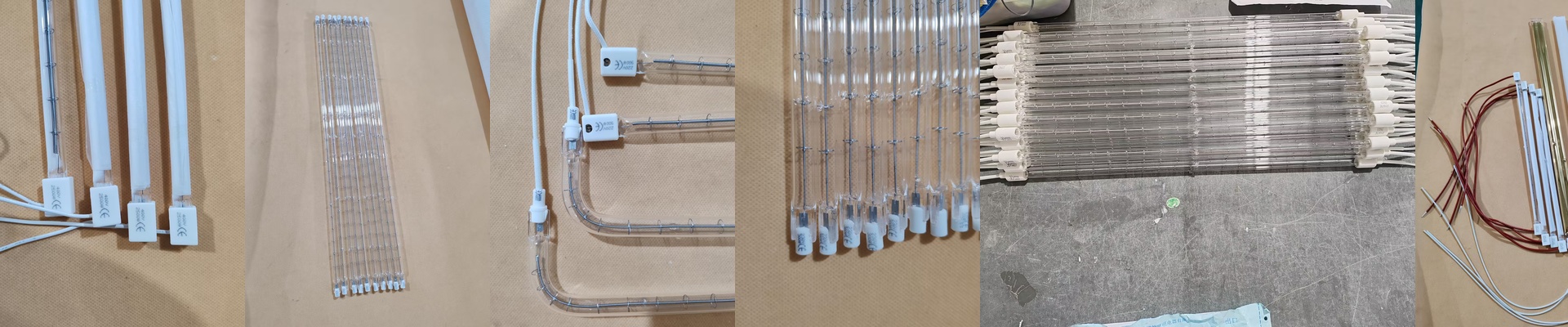
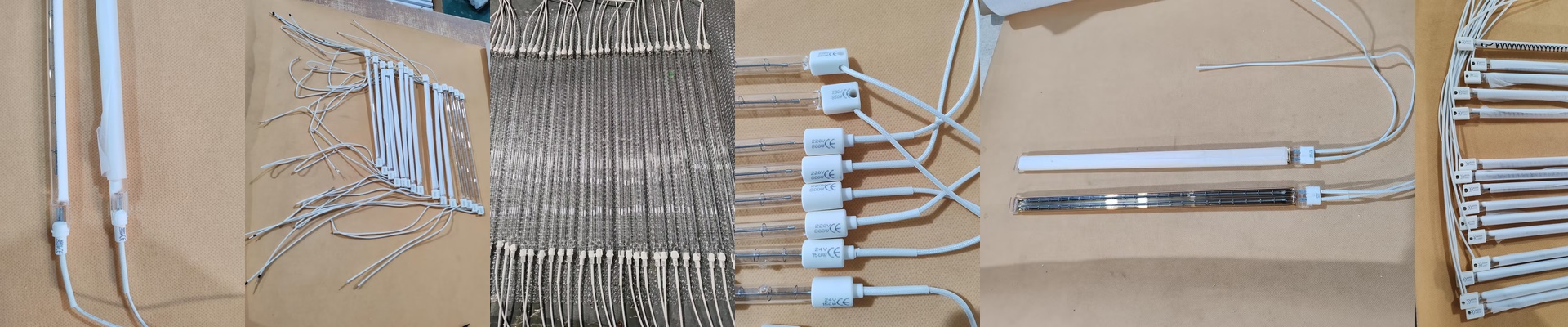
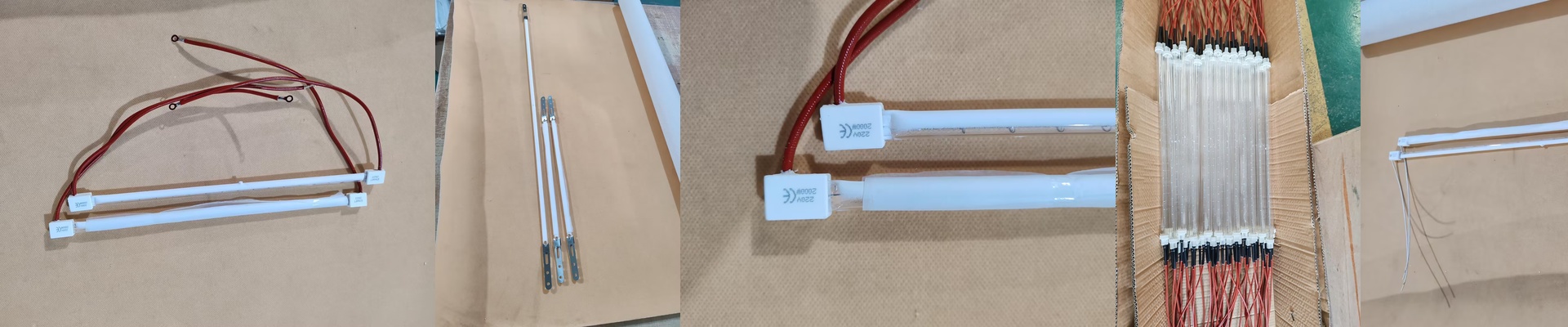
We built this 473mm infrared halogen lamp to pack serious heat into a small space. It’s a 1000W unit, running on 230V, so you get a ton of output without needing a giant transformer. That 473mm length? It wasn’t an accident. It gives you a nice, long surface that radiates heat evenly, but it’s still short enough to fit into standard machine bays and reflectors. This helps spread the hot zone out, so you don’t end up with one spot getting scorched while the rest is still cold. And the 230V rating makes life easier. You can just wire it right into the standard supply in most industrial plants. No stepping up or down the voltage, which means you save space in the cabinet and keep things simple. But here’s the reality check: packing 1000W into a tight tube generates a lot of heat. You need proper airflow and a solid thermal plan to keep the socket and wiring from cooking.
Built to Take the Heat
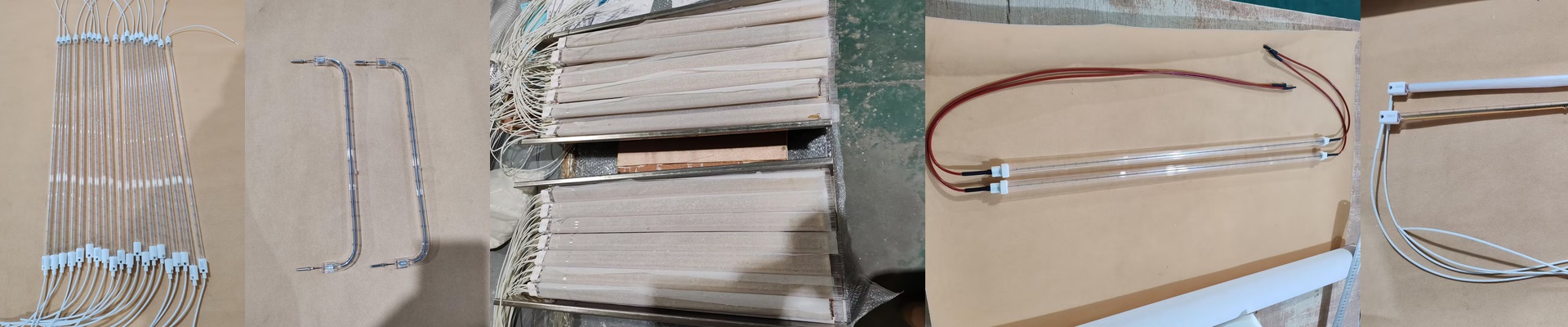
Halogen technology does a pretty neat trick. It keeps the quartz envelope clean by running the filament hotter, which re-evaporates the tungsten and prevents blackening. The payoff? Consistent output over time, and fewer surprise breakdowns. The infrared coating is tuned to push the spectrum toward shorter wavelengths. That means a fast response and high absorption on all sorts of industrial materials. You’ll notice the R7s base, too—it’s a double-ended design that gives the lamp solid support and makes replacement a breeze. On a busy production line, that means you can swap out a lamp in minutes without taking the whole fixture apart. The quartz tube can handle rapid heating and cooling, but it’s sensitive. Keep oils and contaminants away—even fingerprints can create hot spots and shorten its life.
Where This Lamp Shines
This setup is for the jobs that need fast, focused heat. Think plastic welding, thermoforming, adhesive curing, or drying lines where you need heat on demand. The short-wave infrared profile hits your target temperature quickly, so you can maintain tight control over the process. From an engineer’s point of view, the combination of 230V, 1000W, and that 473mm length gives you a predictable thermal profile. You can model it right into your machine design. It’s also a direct fit for many standard fixtures, so you can use it as a drop-in replacement and keep your spare parts standardized across the line. Just remember, that high power density means you need to get the reflector alignment right and keep the cooling in check. Treat the thermal side of things with the same respect you give the electrical, and this lamp will run reliably, shift after shift.