Halogen Heat: The Real Deal on High-Density Infrared
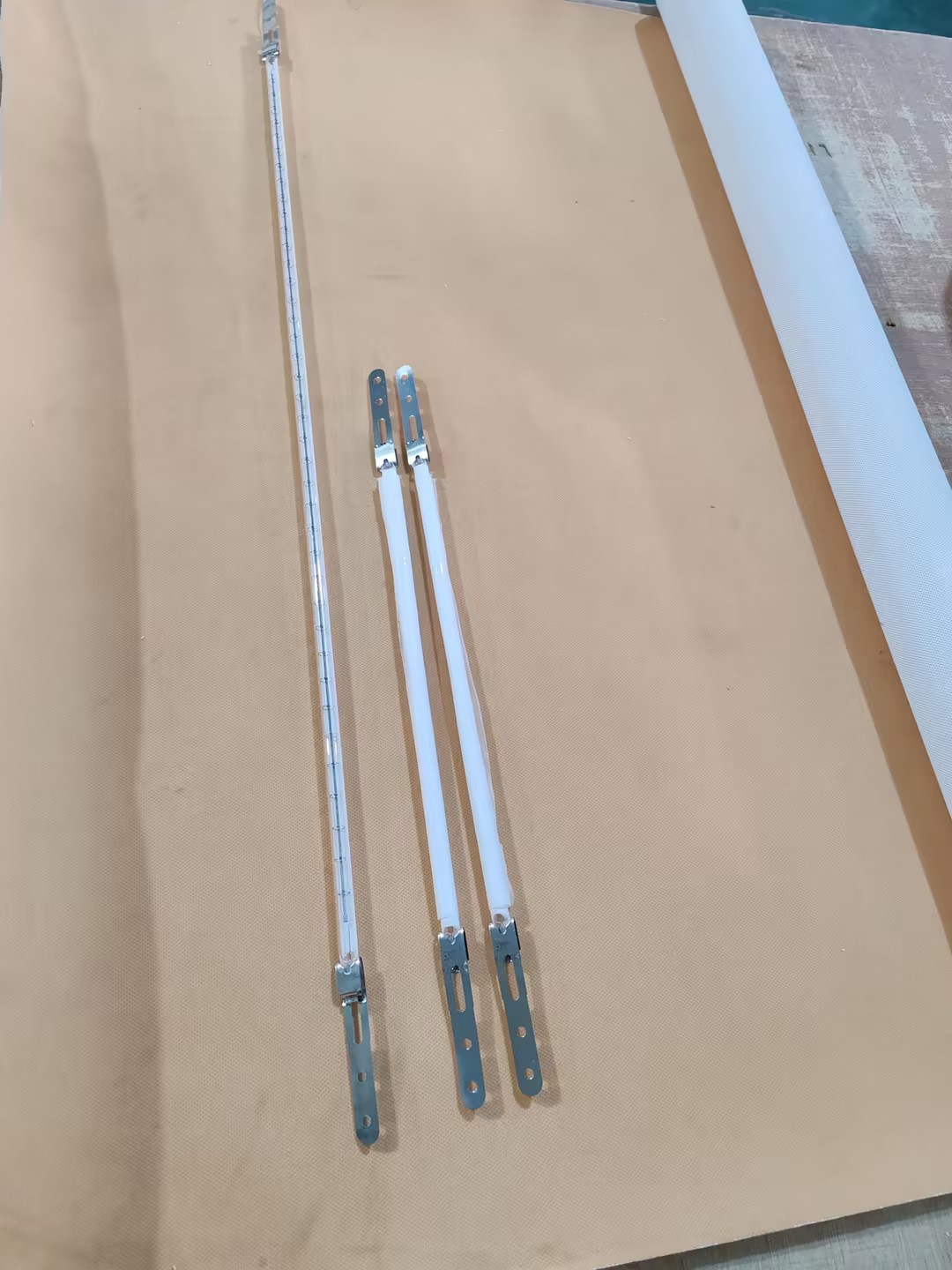
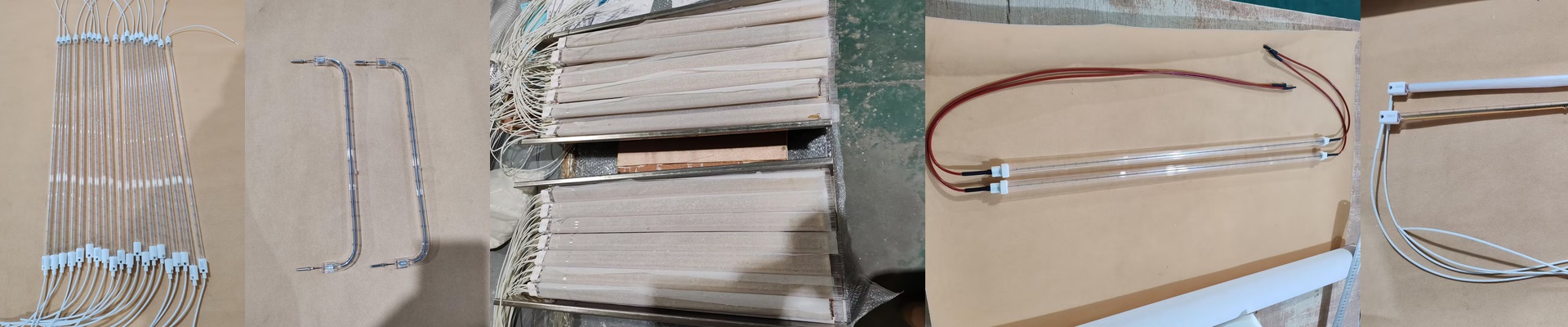
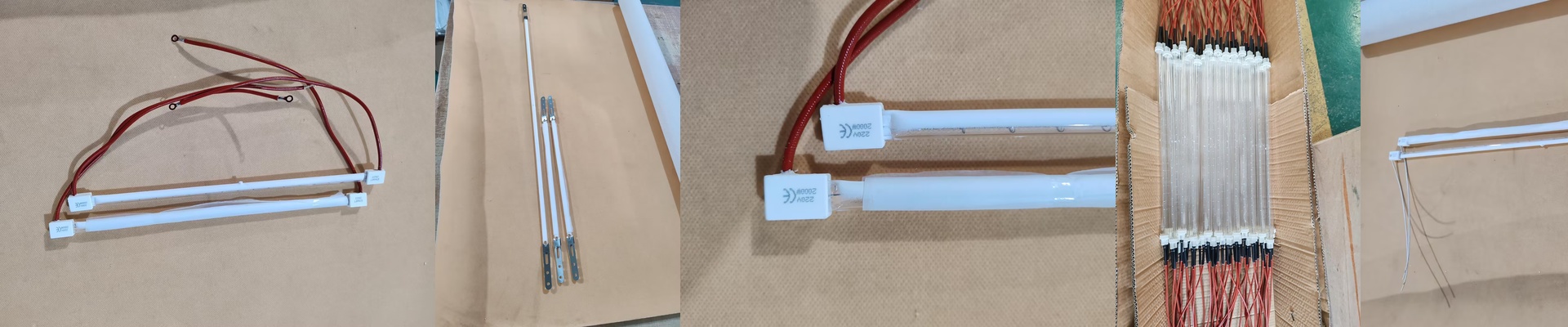
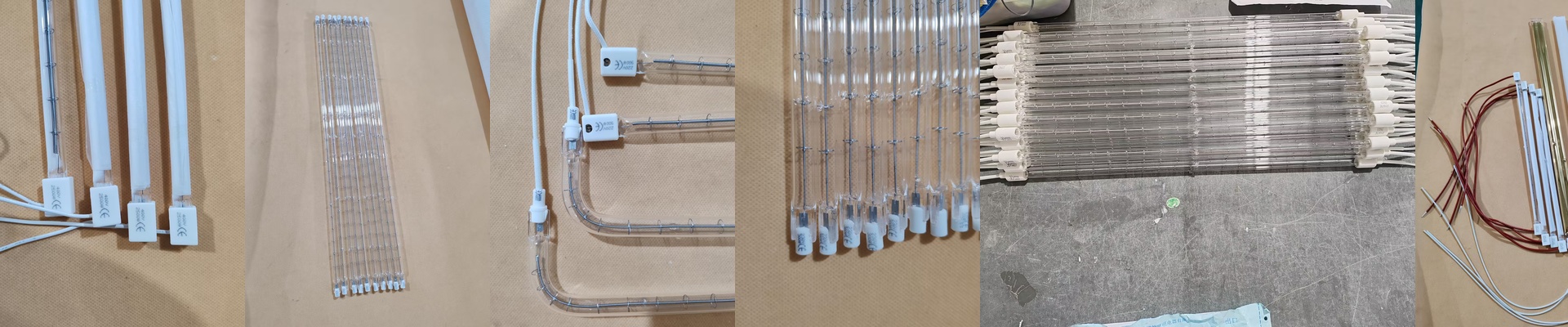
We don’t build halogen heat lamps for showrooms. These are tools, pure and simple—made for the grit of industrial work. Shortwave infrared, packed into a tight footprint, aimed to deliver one thing: raw, focused heat exactly where you need it.
Power, Voltage, and Size: What You Actually Get
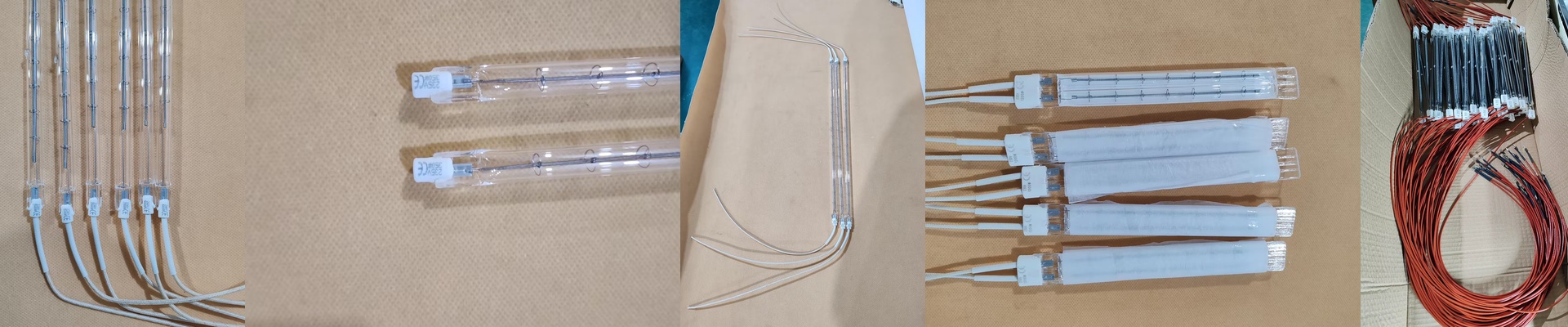
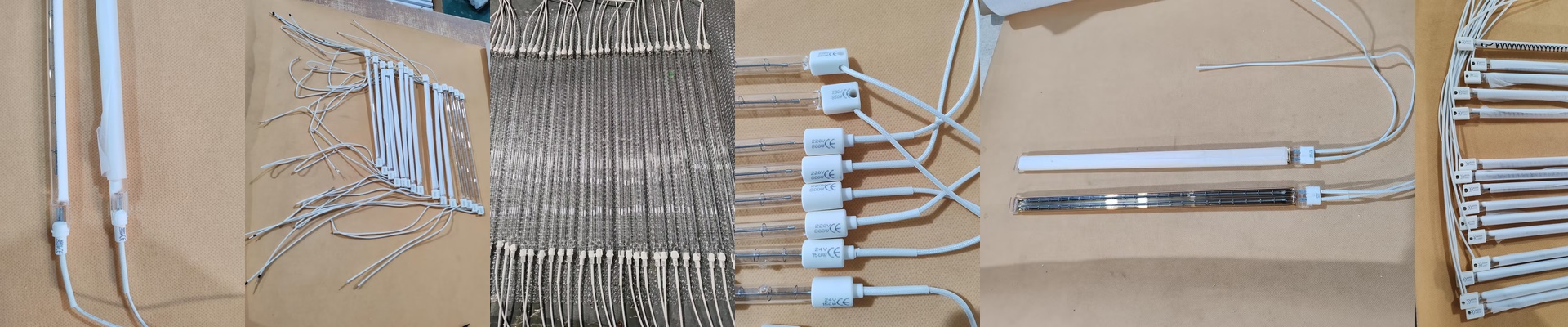
Here’s the heart of it: we typically run these at 2500W on 400V. That combo isn’t by accident. It pushes a compact quartz tube to serious filament temps, giving you heat density that makes fast heating cycles possible. And the tube? Around 300mm long. That keeps the heat zone tight and predictable. No wasted energy spreading out. Just a clean, controllable hot spot you can count on.
Why Quartz, Coating, and the R7s Connector Matter
The envelope is quartz, not regular glass. Quartz can take the extreme temps and the shock of rapid on/off cycling without blinking. Inside, the halogen cycle keeps the filament clean, so output stays steady over the life of the lamp. We add a reflective coating on the back half of the tube. It redirects infrared forward, boosting intensity in the direction you aim it. So the heat goes where you want it—not all over the place. The R7s connector is the standard for this shape. It gives you secure, two-ended contact that’s easy to wire and tough enough to handle vibration on a plant floor.
Where It Shines: Fast Heat, Hard Jobs
Halogen heat lamps come alive in processes that demand a rapid temperature rise. PET blowing. Plastic welding. Curing coatings where every second counts. The shortwave output gets right to work, penetrating surfaces and heating from the inside out. This setup is a direct, drop-in replacement for older systems. But there’s a trade-off to own: 2500W at 400V packs a serious punch, so your machine’s cooling and electrical setup need to be ready for it. Plan for proper heat dissipation and wiring that’s up to the task.