Blow Molding Infrared Lamps: How Halogen Heat Smooths Out Gloss and Gets Rid of Dark Streaks
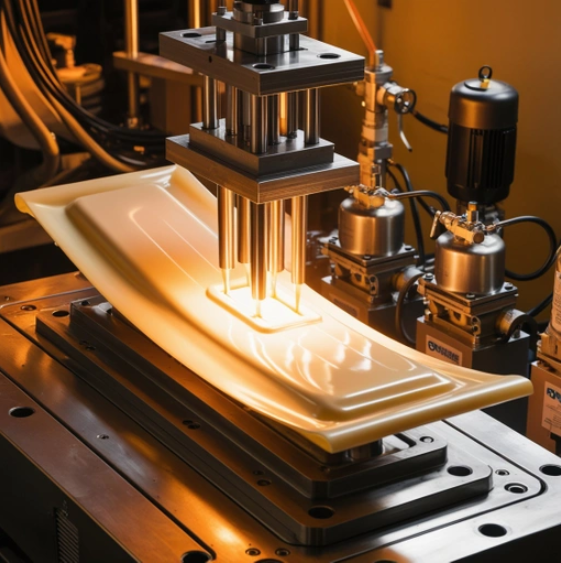
You know that frustration. You pull a piece off the line, and there it is—shiny patches and dark streaks that just shouldn’t be there. In blow molding, those surface glitches usually come down to one thing: the polymer isn’t heating evenly. So we built a blow molding infrared lamp that goes right to the heart of the problem. It uses a halogen infrared emitter to blast fast, focused heat onto the surface, smoothing out those temperature differences before the parison stretches and sets.
Power, Voltage, and the Right Fit
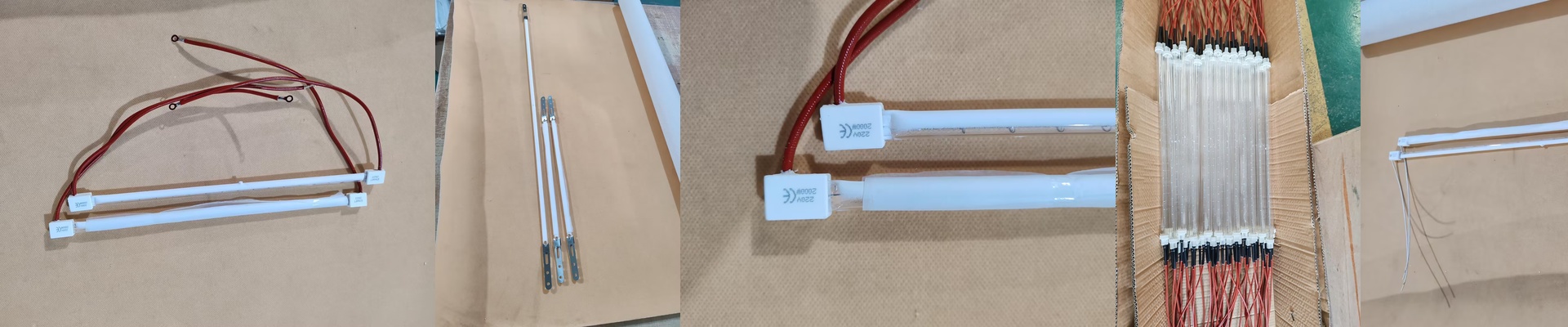
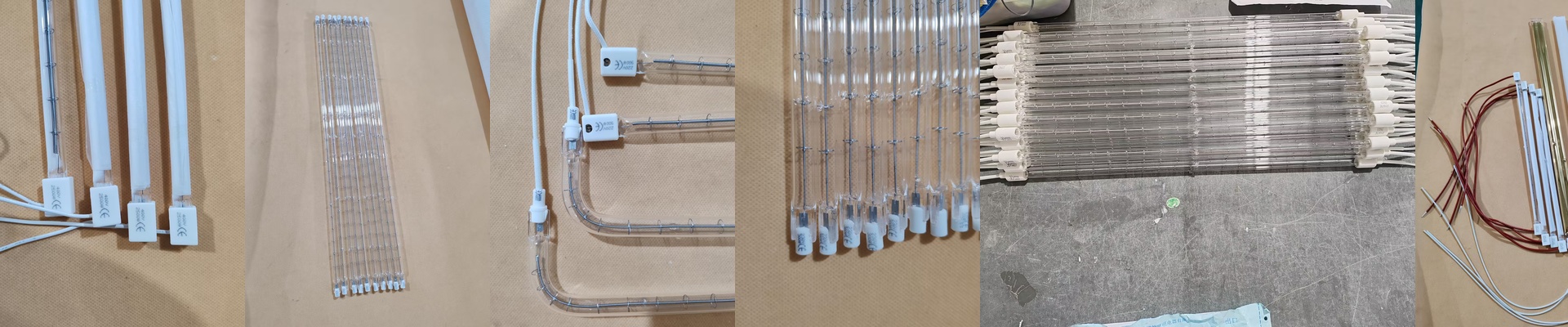
Here’s the thing about infrared heat—it’s all about wattage density and the size of the emitter. Our lamp is built around a compact tube length that fits right into those tight spots in blow molding heads and parison heaters. We went with a 400V high-voltage design, which lets us pack a lot of power into a small space. So you get intense heat without needing a bigger housing. It warms up quickly and holds a steady temperature, cycle after cycle. But—and this is important—that kind of concentrated power means you’re dealing with a serious heat load. Your machine’s cooling and airflow need to be up to the task. They have to keep the reflector and nearby parts from getting too hot.
What It’s Built From: Halogen, Quartz, and a Simple Connection
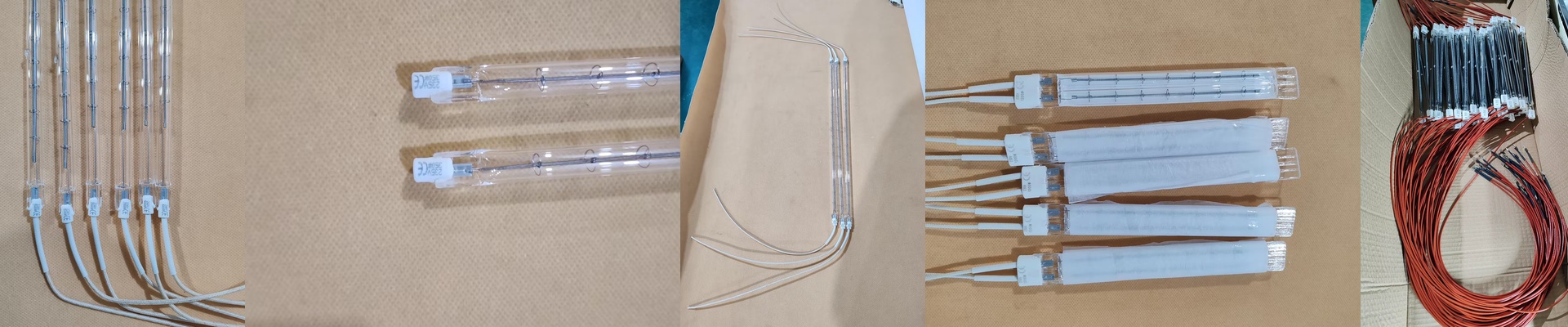
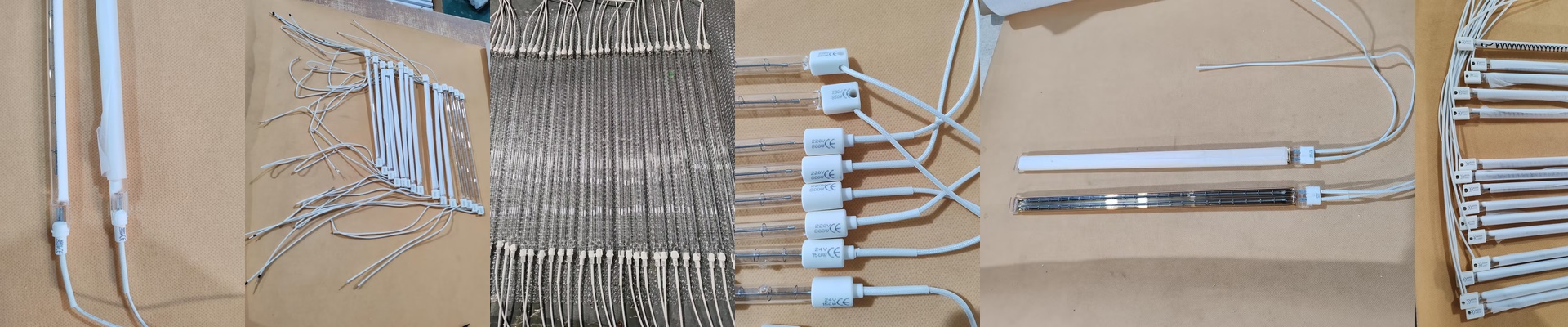
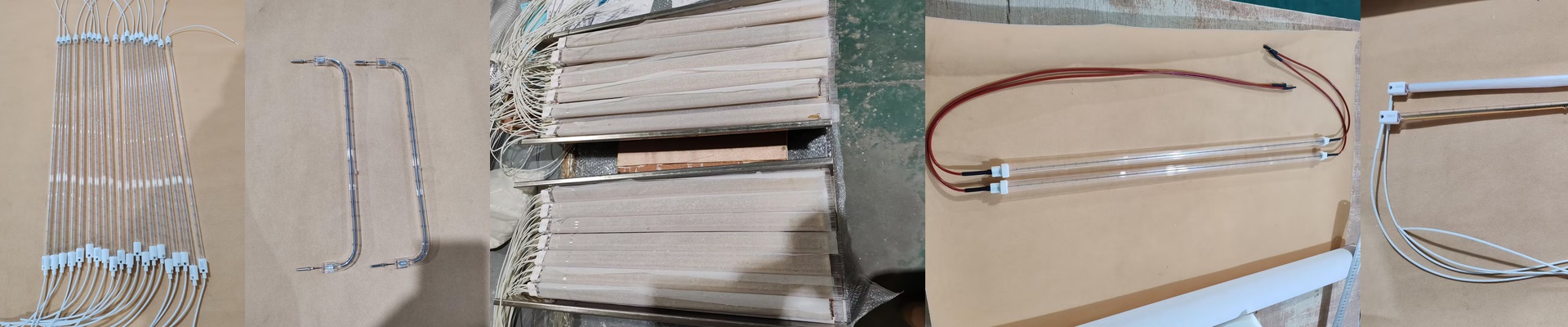
Inside, you’ve got a halogen infrared element, tucked into a quartz tube. The halogen keeps the filament stable, even when it’s running hot. That means the heat output stays consistent over time. The quartz tube? It handles the shock of cycling on and off without cracking, and it lets the infrared energy pass through cleanly. And for the connection, we used an R7s base. It’s a standard two-pin, end-cap setup for linear halogen tubes, so it drops right in wherever you need to make a replacement. The contacts handle the current, and once it’s in place, it won’t twist around.
Why It Works: Fixing the Surface From the Inside Out
Uneven heating leads to uneven cooling, and that’s what causes stress marks. With this focused infrared heat, the polymer surface hits a more uniform temperature. That lets the molecular structure relax evenly, which cuts down on localized shear and those micro-flow lines that show up as dark marks. The lamp responds fast, so you can keep tight control over the heating window. That means less gloss variation and a more consistent surface, without slowing things down. For blow molding, that translates to fewer rejects and a surface finish you can count on, run after run. Just remember—this is a high-density heat source. Treat it that way, and make sure the zone is designed to manage the heat.