Introduction
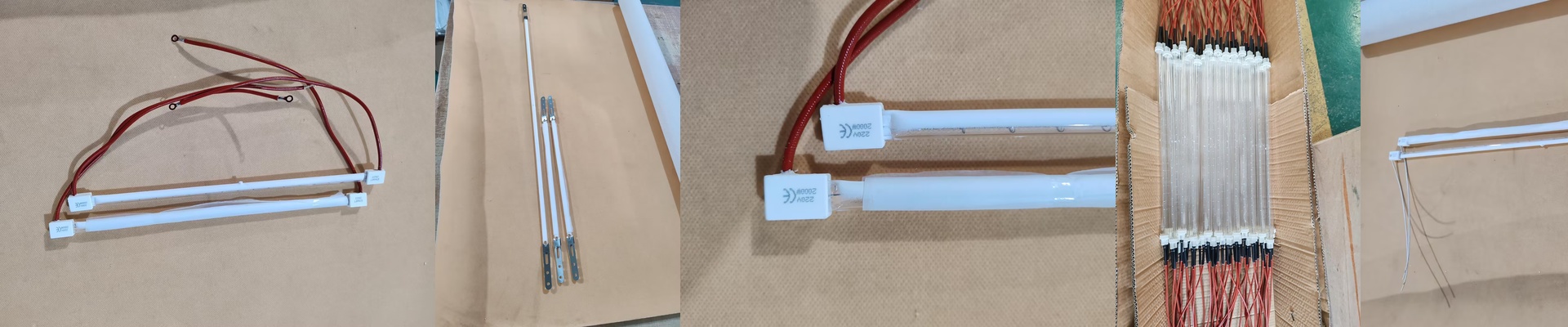
We built this infrared heater for one very clear reason: to cool plastic parts after annealing—without letting them drift out of shape. In medical-grade injection molding, a temperature swing of just ±1°C can wipe out an entire batch. So we designed the system to keep things locked in, with infrared control that’s precise enough to deliver the same result, shift after shift.
Power, Voltage, and Control—Why It Feels Different on the Line
At the heart of it is a high-density infrared emitter built for one thing: hitting temperature fast and staying steady. You spec it at 2500W, and we match it to a 400V supply. That choice matters. It means the unit runs cooler on the primary side, so your cabinet wiring isn’t under constant stress. The payoff is a cleaner thermal response, and quicker settling when the setpoint changes. Then we pair the emitter with a closed-loop controller that holds temperature within ±1°C. Not “close enough.” Real, traceable control that can stand up to medical validation. The controller automatically compensates for line voltage dips and shifts in part geometry, so your heat profile stays consistent from cycle to cycle.
The Inside Story: Halogen, Quartz, and a Connector That Won’t Quit
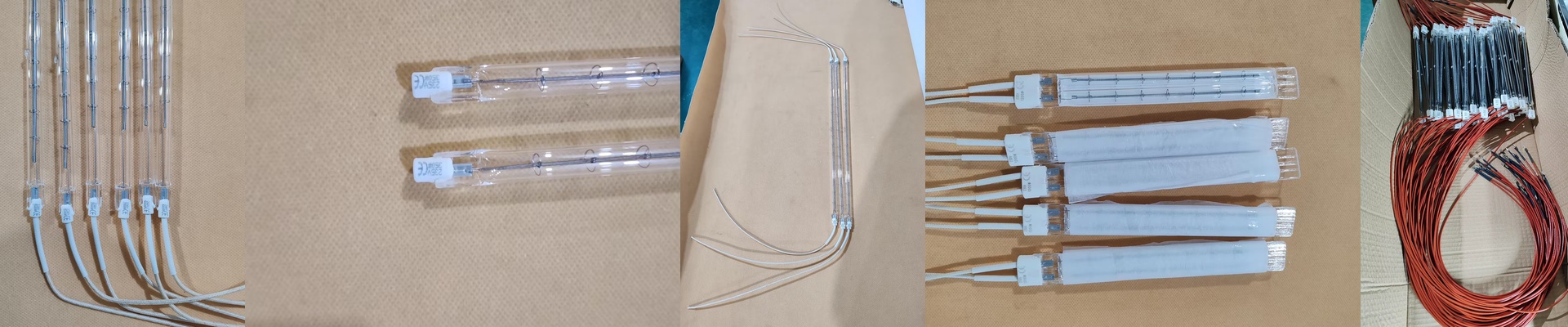
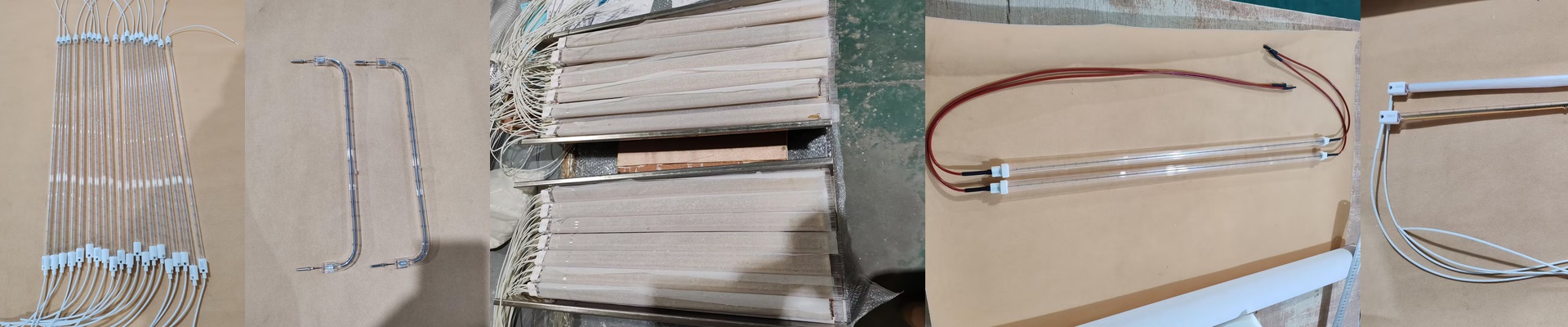
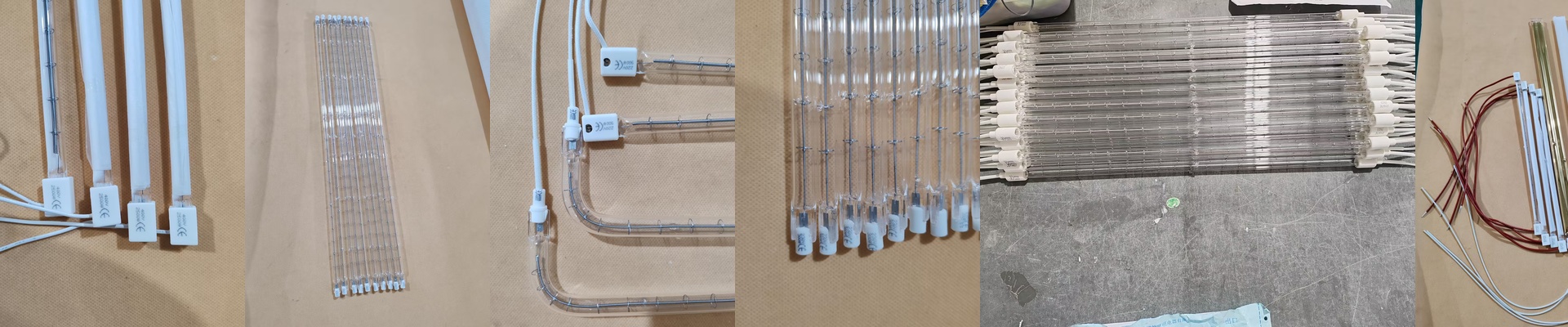
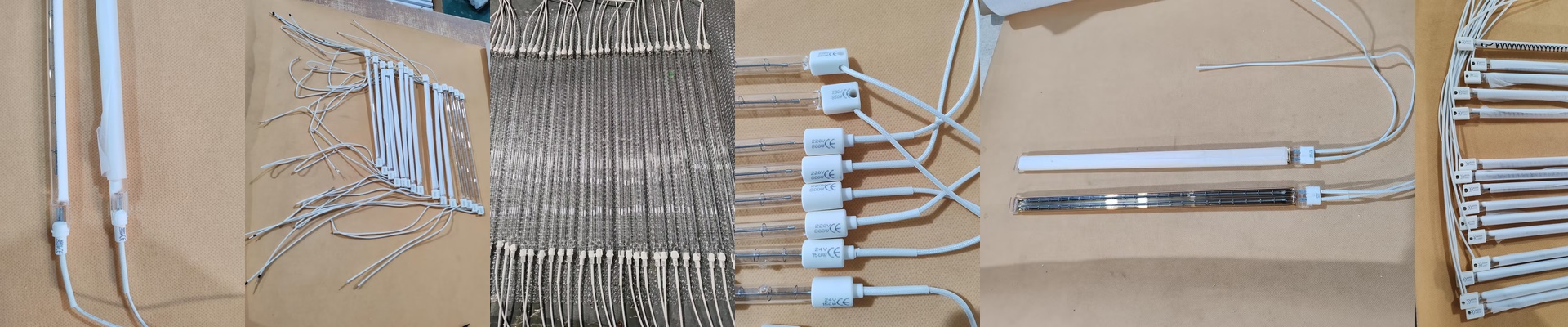
Inside, a halogen element sits in a quartz tube. That combo gives you high heat density and an on/off response that feels almost instant. Quartz handles the thermal shock of repeated cycling without cracking, and the halogen fill protects the filament so it lasts longer under repeated heat stress. On the hardware side, we use an R7s connector. It’s a solid, low-resistance termination that installs quickly and holds up to the vibration of an automated cell. If you run high cycle rates, that connection helps cut down on maintenance—and it keeps the lamp from dying early because of loose contacts.
What It Does for You: Post-Annealing Cooling That Keeps Parts True
Right after annealing, plastic parts are still holding internal stress. If you don’t cool them carefully, you get warp, sink marks, and tolerance shifts that show up later during machining. Controlled infrared cooling gives you a uniform temperature drop, so those issues fade away. The result is stable dimensions across shifts, and far less scrap caused by uneven thermal gradients. Now, the trade-off is real: 2500W at 400V is serious heat. So your machine’s cooling and electrical distribution need to be properly rated. Plan the footprint and heat rejection up front, and you get a solution that drops in, behaves predictably, and keeps medical-grade dimensional stability within reach.