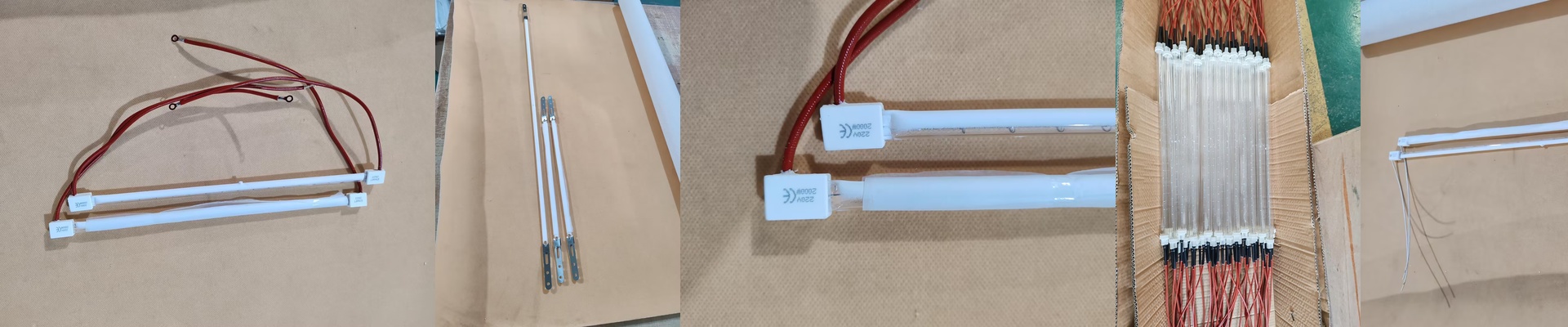
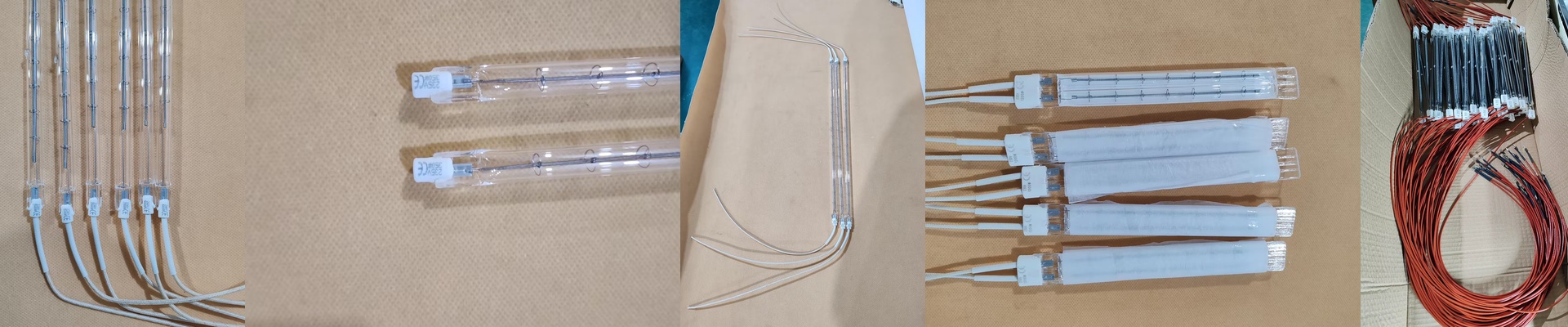
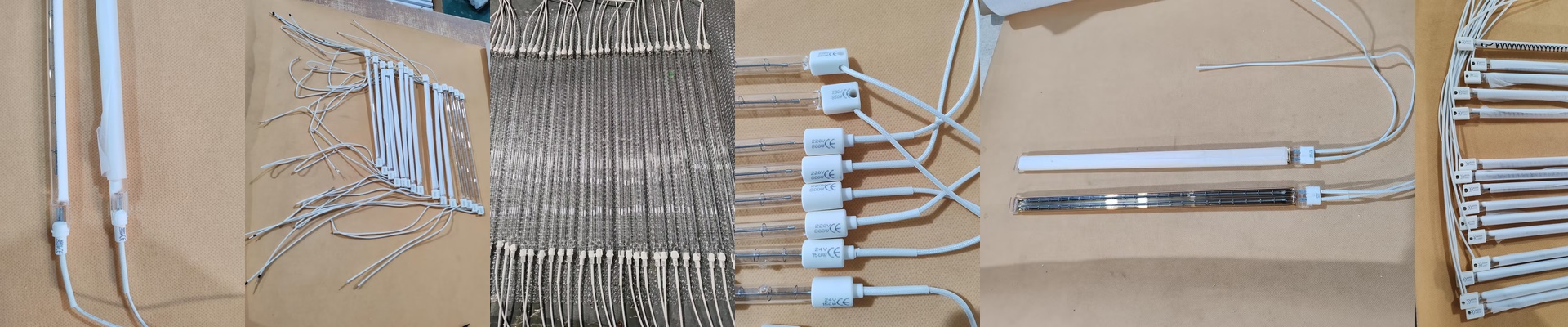
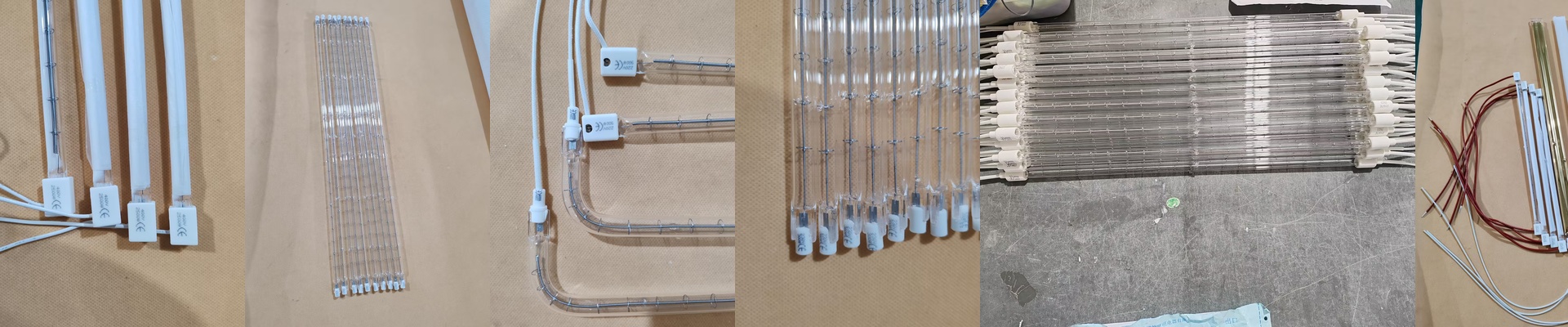
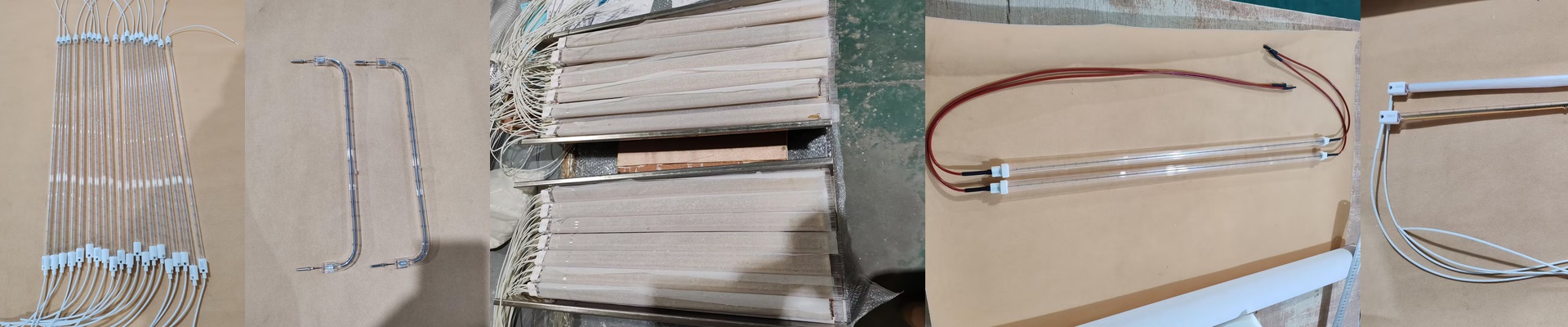
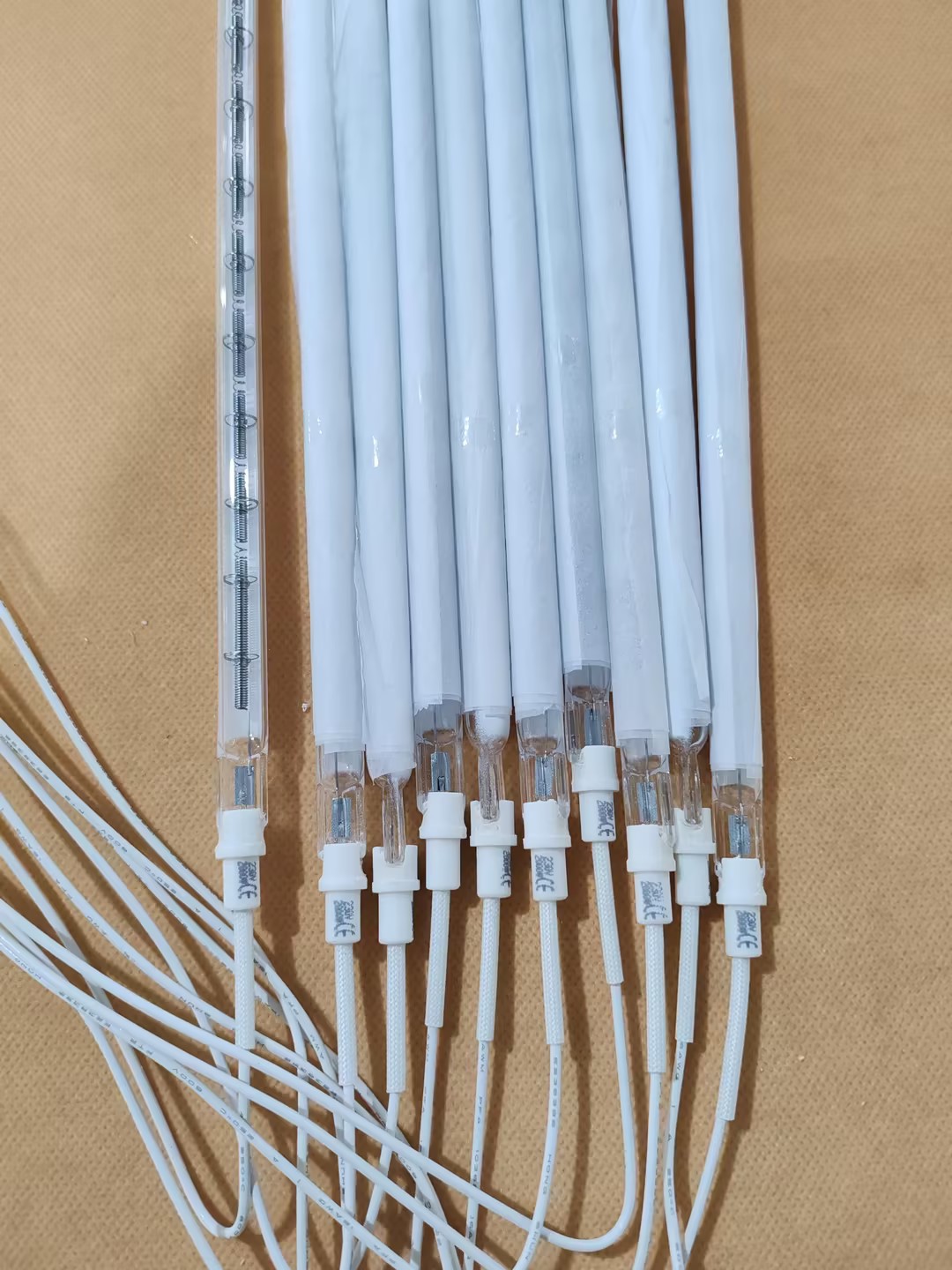
610mm 380V 2000W Infrared Halogen Heater: The Heat Solution for Tight Spaces
We built the 610mm, 380V, 2000W infrared halogen heater for one reason: to give industrial machines serious heat where space is at a premium. It’s for the setups where you need intense, focused energy—fast—without turning the whole machine into a sauna. Think plastic processing, drying, curing. Places where you can’t afford to waste a single degree.
The Power Behind the Heat
Here’s the deal. Packing 2000 watts into a 610mm tube means you get a lot of heat in a small footprint. That concentration is exactly what you need to keep cycle times steady. And the 380V supply? It’s a smart choice. It pulls less current than lower-voltage heaters, which means you can use smaller wiring, smaller contactors, and you won’t get that frustrating voltage drop over long runs. But with that kind of concentrated power, you’ve got to manage the heat. If your machine runs in a tight cabinet, make sure you plan for proper airflow and clearance. It keeps everything from getting fried.
What It’s Built With
The core of this heater is the halogen element, sealed inside a tough quartz envelope. Quartz is the real workhorse here—it handles the shock of rapid on/off cycles and keeps the output steady, hour after hour, for thousands of them. The halogen cycle itself keeps the filament clean, so you get consistent, reliable heat over the life of the unit. The tube has a reflective coating that directs all that infrared energy forward, straight onto the target. And for installation, it’s fitted with an R7s base. That means it locks in securely and the connection stays solid, even in high-vibration environments.
Built for the Real World
In practice, this heater shines in applications like PET blowing, thermoforming, and web drying. It warms up fast and puts the heat exactly where you need it. The result? Consistent temperature profiles, every single time. The 380V, 2000W, 610mm combo is designed to be a direct, drop-in replacement for many standard machine footprints. It simplifies the wiring and lets you run more power without overloading your control panels. You get predictable output, easy swap-outs, and a tough design that can take a beating. Just make sure the rest of your machine is ready for the concentrated heat load.