The 100W Halogen Lamp: Your Tiny Powerhouse for Big Heat Jobs
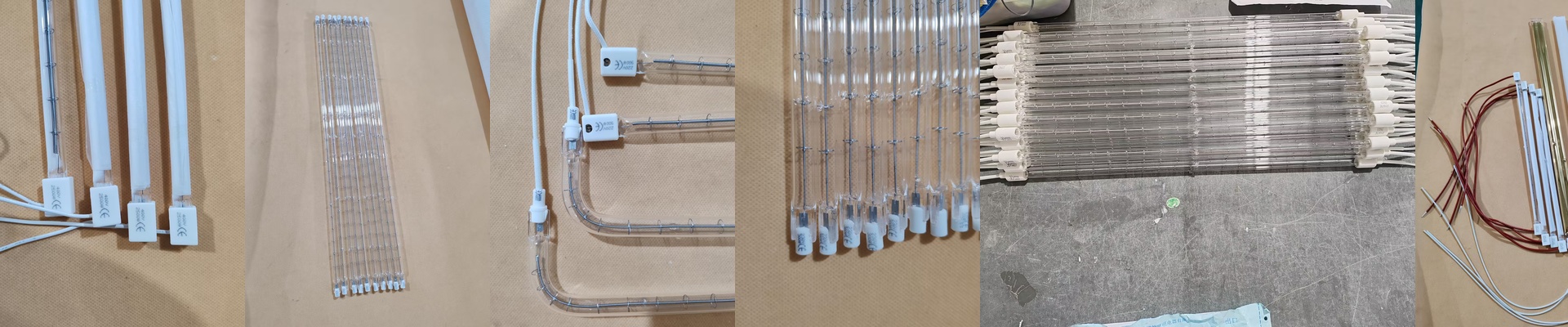
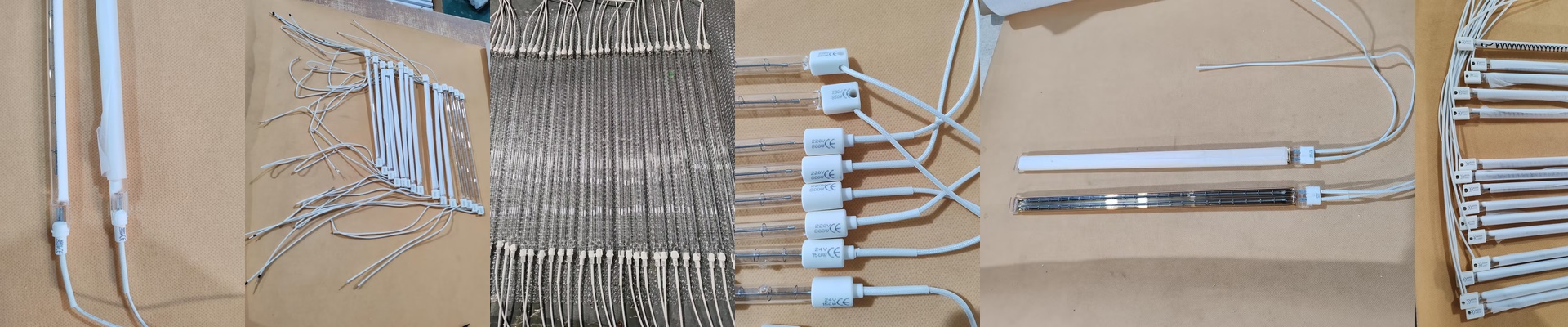
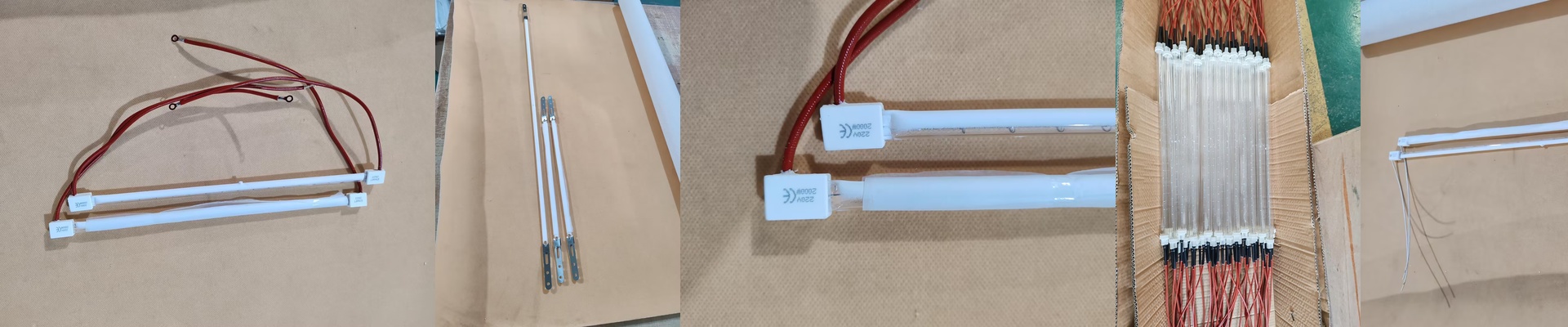
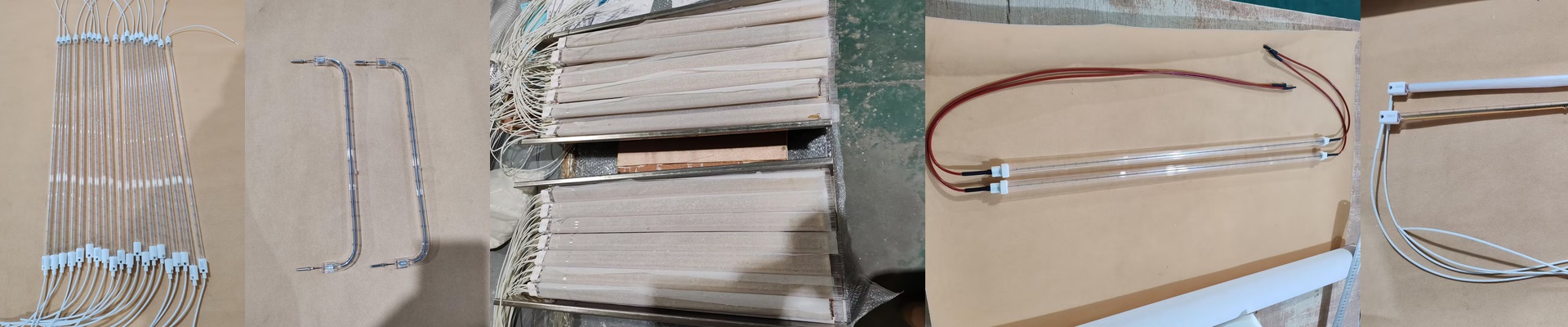
Imagine a heat source that’s small, intense, and gets straight to the point. That’s what we built the 100W halogen lamp to be. It’s not a run-of-the-mill bulb. It’s a focused thermal tool, designed for engineers who need reliable heat in a tight spot.
What’s Under the Hood: Power, Voltage, and Size
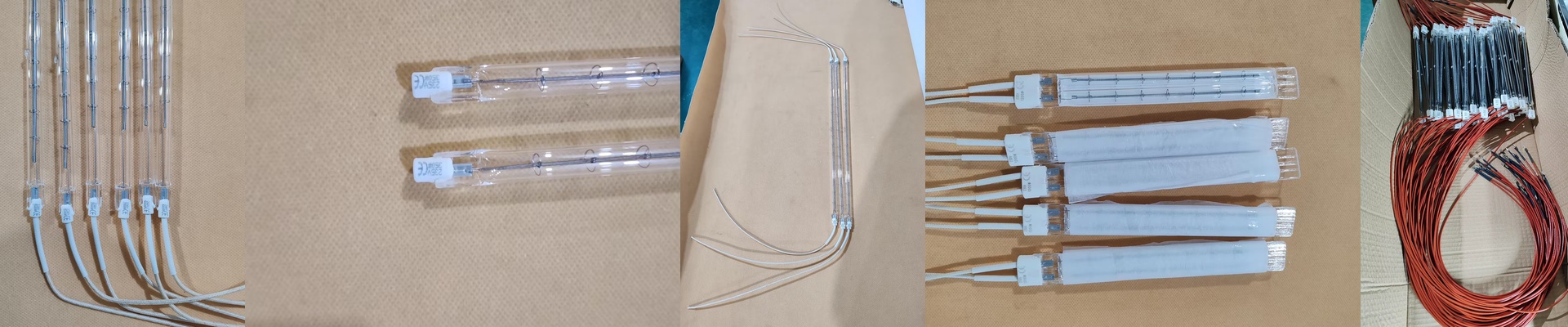
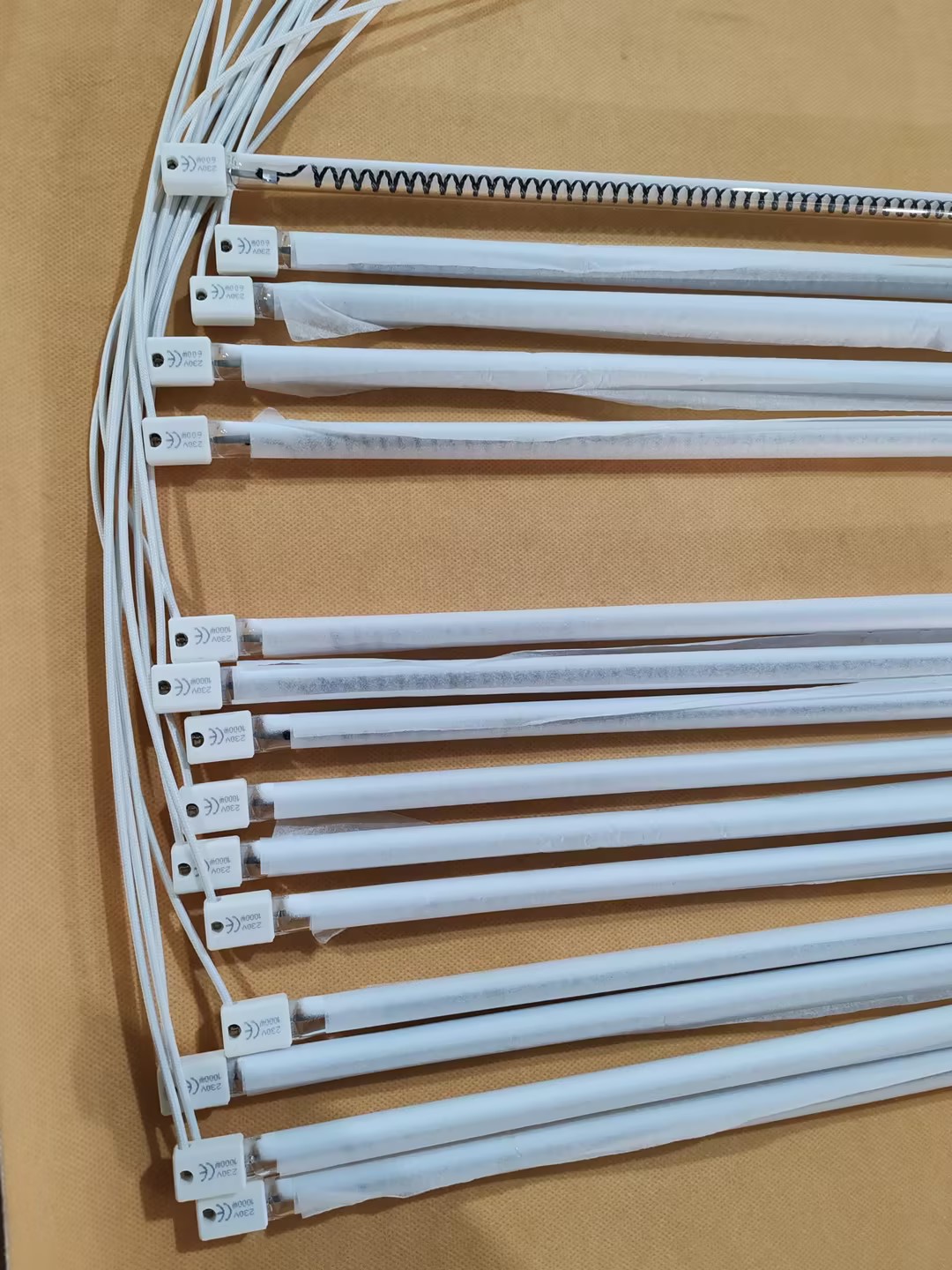
The heart of it is the 100-watt power. This isn’t just a number; it means rapid heating right where you need it. It hits temperature fast in small areas, which is exactly what you want for precise work. It runs on standard voltages—120V or 230V—so it’ll plug right into most plant power without a hassle. And the size? It’s built to be compact, coming in around 100mm long. That means you can squeeze it into spaces where bulky heaters just won’t fit. You get consistent heat density, which makes planning your process a lot easier. Plus, because it’s only 100W, it pulls less current than bigger units. That makes the wiring simpler and puts less strain on your machine’s electrical system.
The Design That Makes It Work
This lamp runs hot, but the halogen cycle keeps the filament clean. It prevents the tungsten from evaporating and burning out too soon, which really extends the lamp’s life. The envelope is made of quartz glass, not the standard kind. Quartz can handle those extreme filament temperatures and won’t crack when you switch the lamp on and off. Then there’s the R7s connector—a straightforward, two-ended ceramic base. It gives you a solid connection and holds everything steady, even with vibration. It’s a true drop-in replacement, so you can swap it out and get back to work without retooling.
Where It Shines and What to Watch For
You’ll find this lamp hard at work in lab prototyping, small-scale plastic forming, and component testing. Anywhere you need precise, localized heat, it delivers. It heats up in a flash and cools down just as quickly, giving you tight control over your thermal cycles. The focused heat also means less wasted energy, so the equipment around it stays cooler. Of course, with that much power comes a little responsibility. The high filament temperature means you need to be mindful of mounting and clearance. Always handle it by the base, not the glass, and keep the quartz tube free of oils to avoid hot spots. When you get it set up right, you have a repeatable heat source in a tiny package. It’s the kind of reliable performance you need when the job demands heat, and there’s nowhere else for it to go.