Stop Overpaying for Plastic Oven Heating Elements
If you’re running a PET blowing line or a thermoforming oven, you know the drill. Heating elements burn out. It happens. And when it does, the last thing you want is to be held hostage by a middleman charging a massive markup just because their name is on the box. That’s why we make our spares in-house. No middlemen. No fancy trade markups. Just factory-direct parts that actually work.
Getting the power right
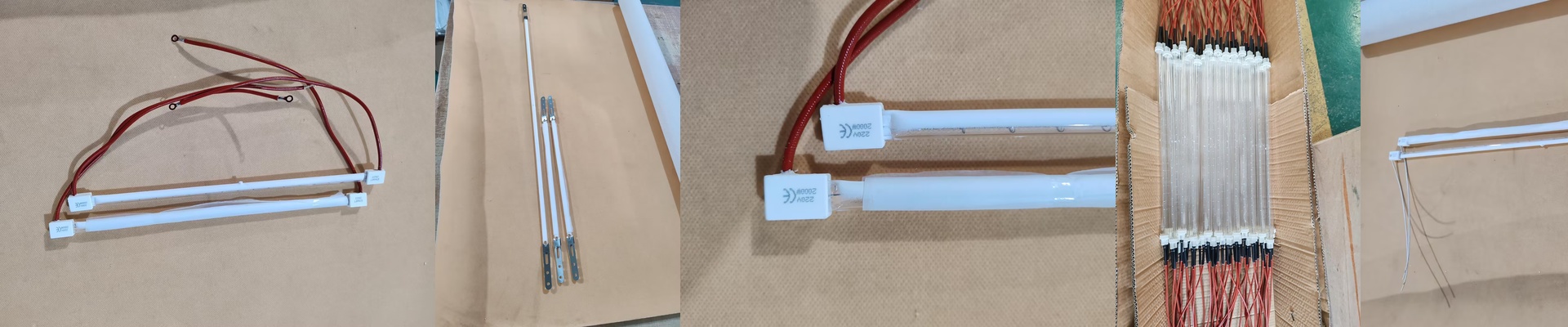
We don’t believe in “one size fits all.” We look at the actual thermal load of your oven to figure out the right spec. For those longer 300mm tubes, we usually go with a 400V high-voltage setup. Why? Because it keeps the wattage steady from end to end. Nobody wants cold spots in their preforms. Now, if you’re running a 2500W tube, you’re dealing with some serious heat density. Just a heads-up: make sure your cooling fans are actually up to the task. If the ambient air gets too hot, you’re going to fry your wiring, and that’s a headache nobody needs.
The gear under the hood
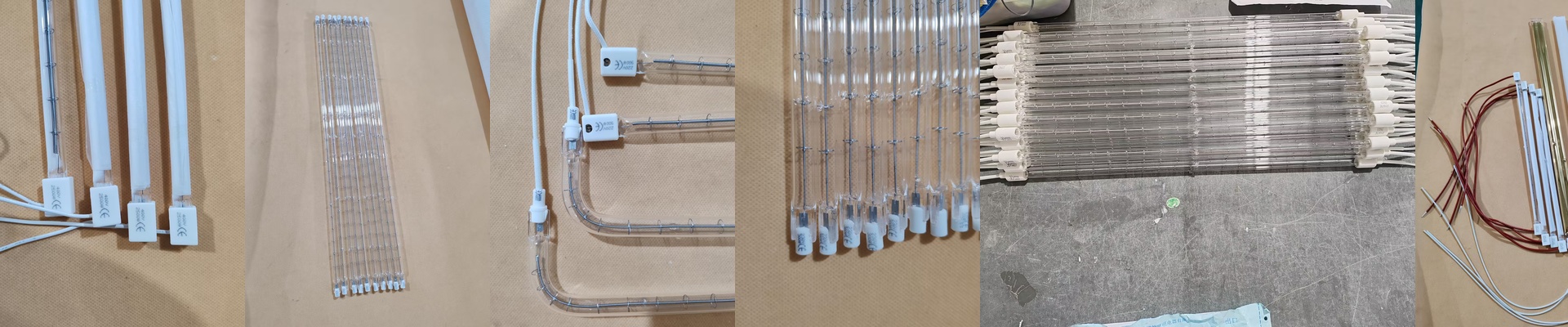
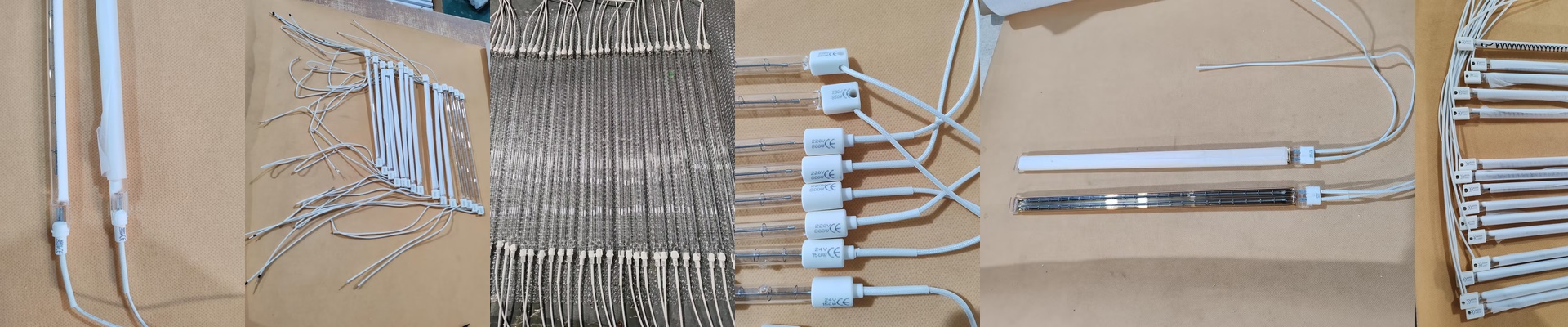
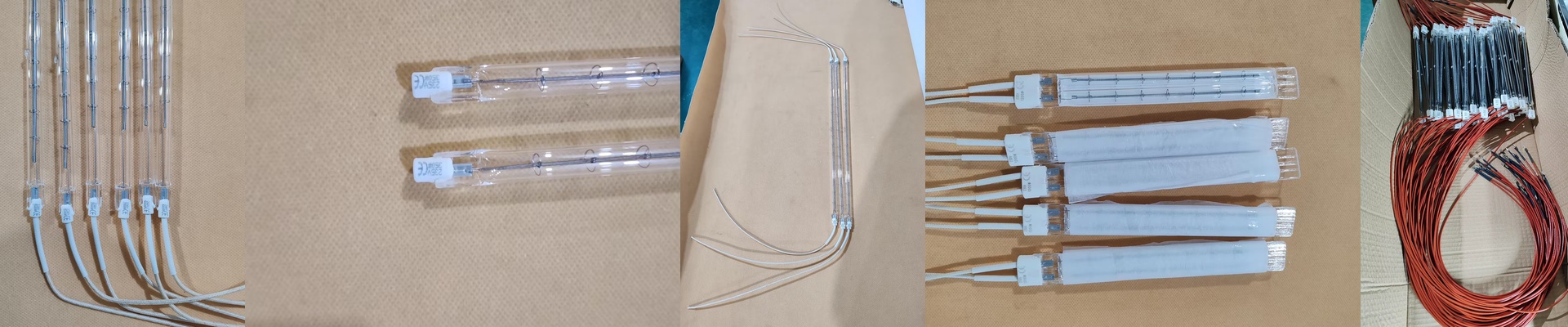
We use high-purity quartz glass because these things take a beating. Constant heating and cooling is brutal on materials, but this stuff holds up. We also use a special coating on many of our tubes. It shifts the infrared spectrum so the heat actually sinks into the plastic instead of just scorching the surface. As for the fit? We use standard R7s or Sk15 bases. They’re simple drop-in replacements. You just slide them into your existing sockets and you’re done. No need to spend your afternoon rewiring the whole rack.
Built for the shop floor
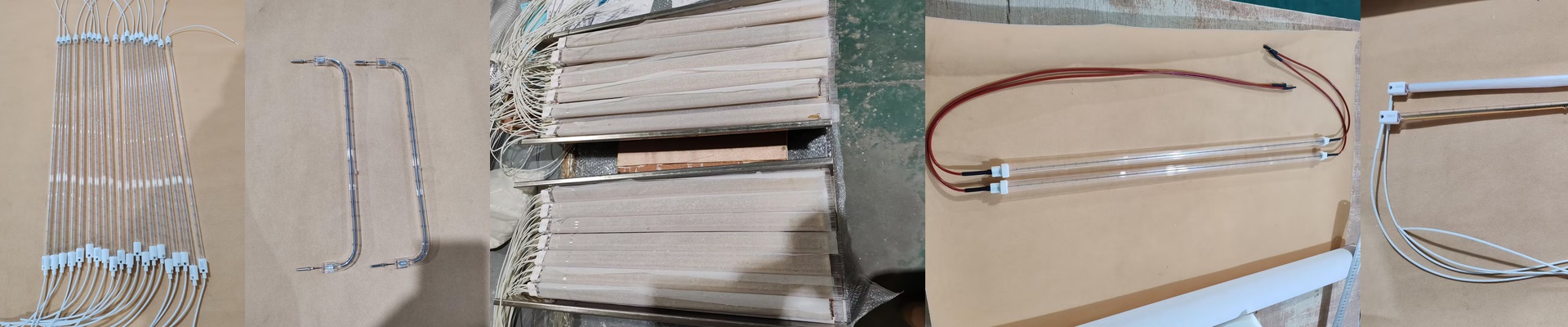
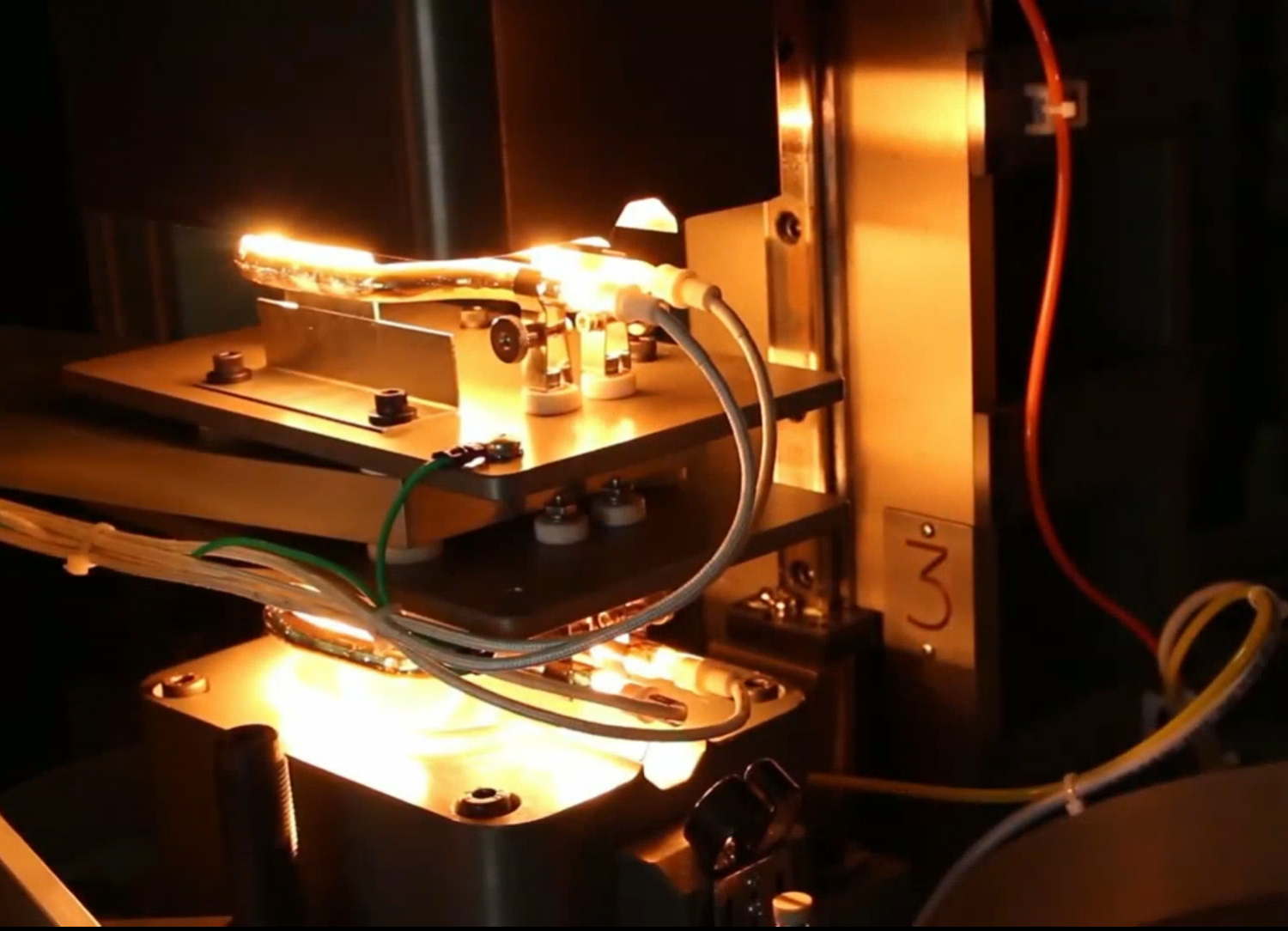
These lamps are made for the grit and noise of a real production floor. Whether it’s a PET bottle line or a curing oven, you just want the machine to ramp up fast and stay hot. You get the same specs as the big-name OEM parts, but without that “brand name” tax. When a tube pops, you just swap it out, plug it in, and get your production line moving again. Simple as that.