Polymer Annealing Infrared Systems: Automating the Tunnel for Synchronized Injection Molding
We built this polymer annealing infrared system for one reason: to slide right into your production line and stay there. Forget those clunky standalone ovens that always seem to slow things down. This tunnel is made to move in lockstep with your injection molding machine, so you get a smooth, automatic flow from start to finish.
The Nitty-Gritty: Power, Voltage, and Size
It runs on a 400V high-voltage supply, because that’s what it takes to get that quick burst of heat when you need it. The footprint is small—often under 300mm long—so it slips into tight spots without forcing you to redesign your whole setup. We match the wattage to the part itself, the material and the mass, so the annealing happens right on schedule, during the available time. Here’s the thing: packing that much power into a small space creates a lot of focused heat. So your machine’s cooling system needs to be ready for the extra warmth. Get that right, and you’re set.
Inside the Design: Halogen, Coating, and Connectors
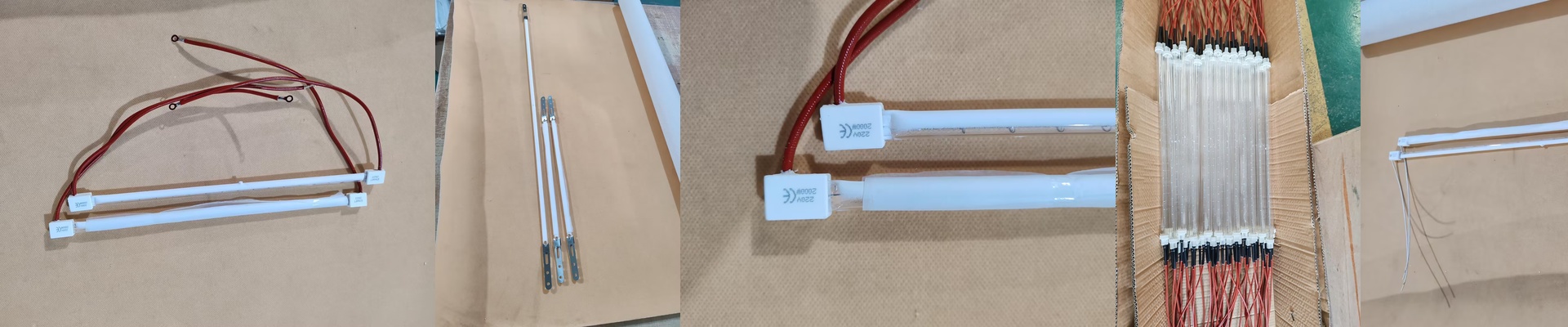
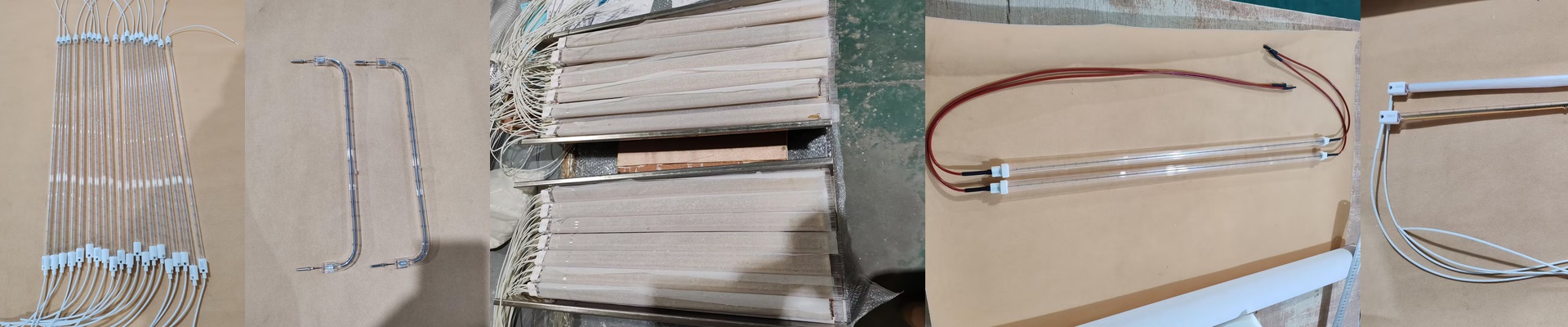
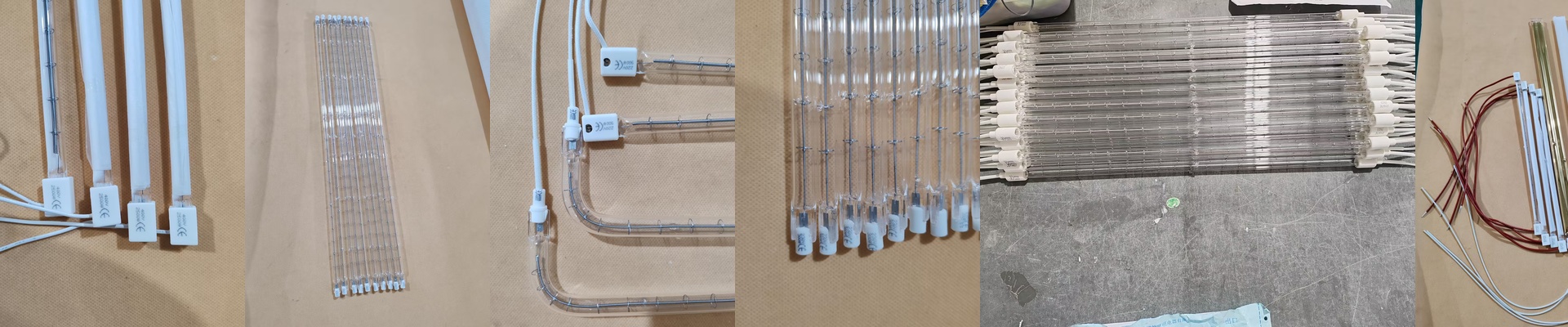
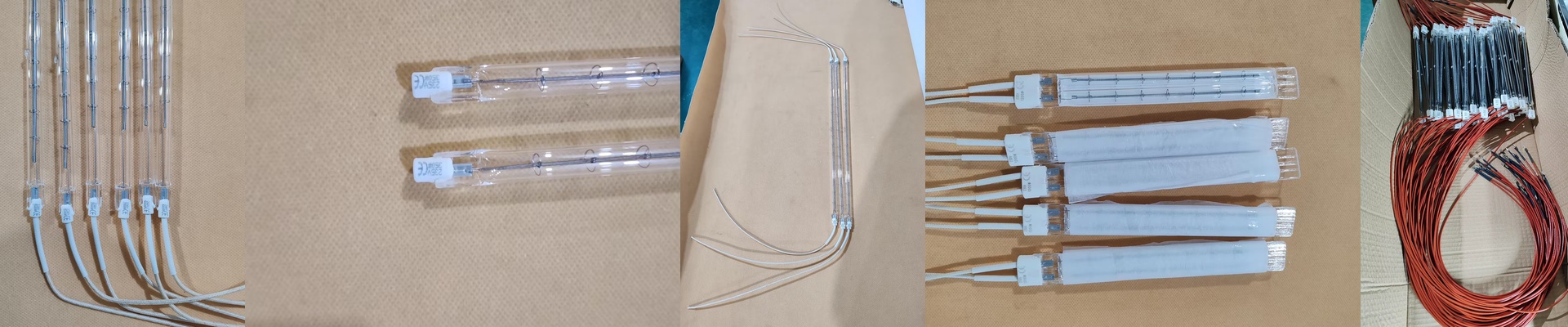
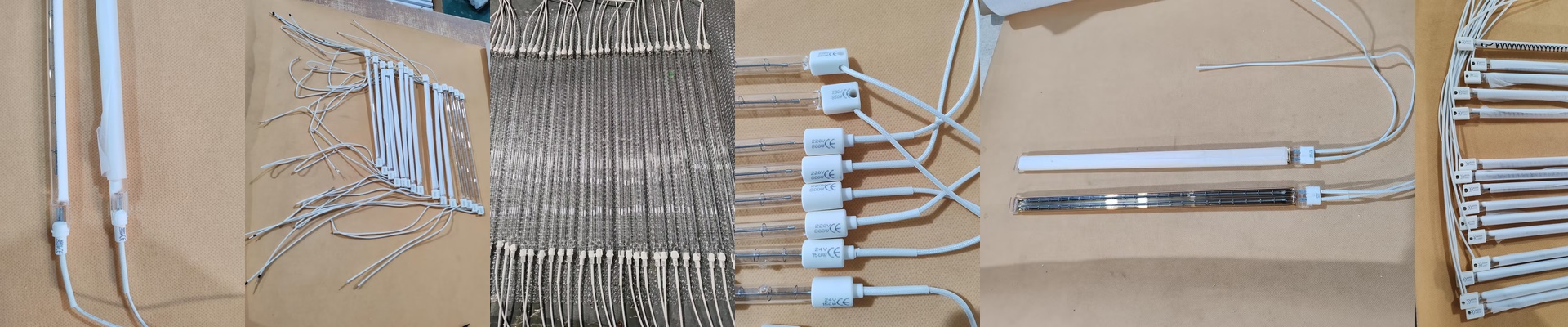
At the heart are shortwave infrared halogen elements. They deliver fast, pinpoint heat—no waiting around. The quartz envelope has a special coating that tunes the heat to match what the polymer absorbs, so you avoid scorching the surface. That coating also keeps the element safe from the grit and grime of the shop floor. The connectors are industrial-grade—R7s or SK15—built for serious current and repeated heating cycles. They stay tight, even when the line is running hard. On the floor, that means a tough, drop-in setup that wires up fast and stays connected, no matter how rough the day gets.
Why It Matters: Synced-Up Automation
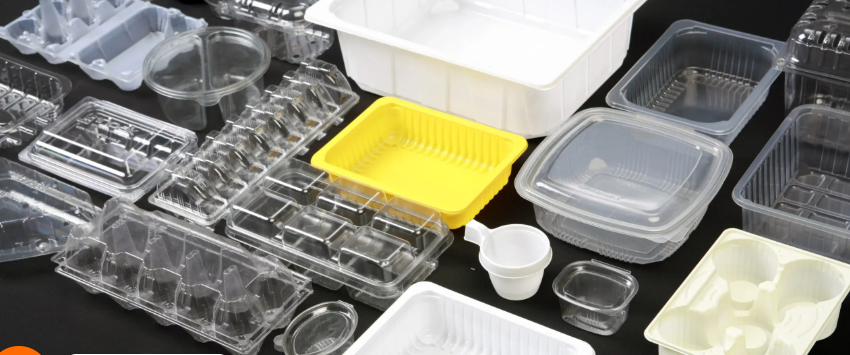
This system shines when you’re annealing polymer parts fresh off the injection molding machine. The real win is the integration. The tunnel talks directly to the press, firing up only when a part is there. No idle heating. Less energy used. And no extra hands needed to move things along. You get consistent heat treatment without adding labor. The whole process keeps pace with your machine, not the other way around. It’s built to run around the clock, but like any high-intensity heater, it needs the right electrical setup and proper cooling. Spec it correctly, wire it up, and it becomes a dependable part of your press—one you barely have to think about.