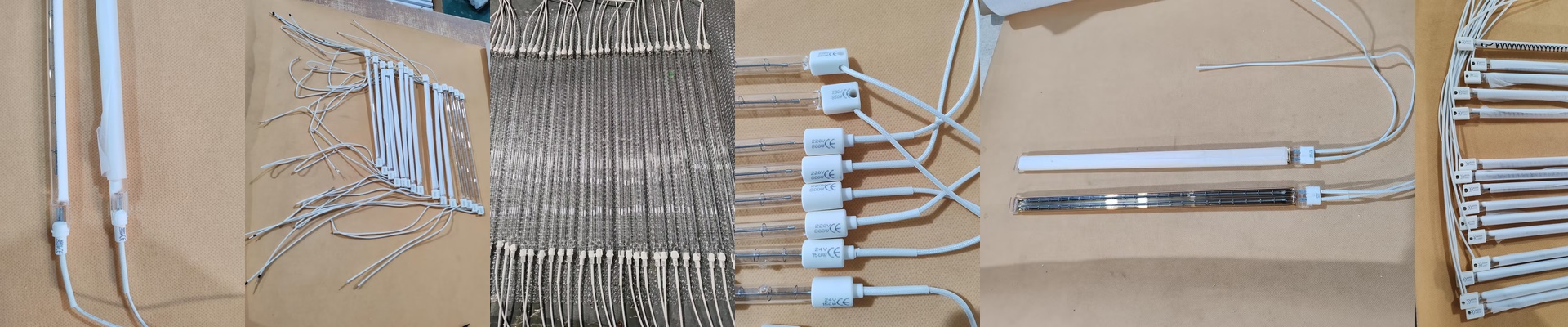
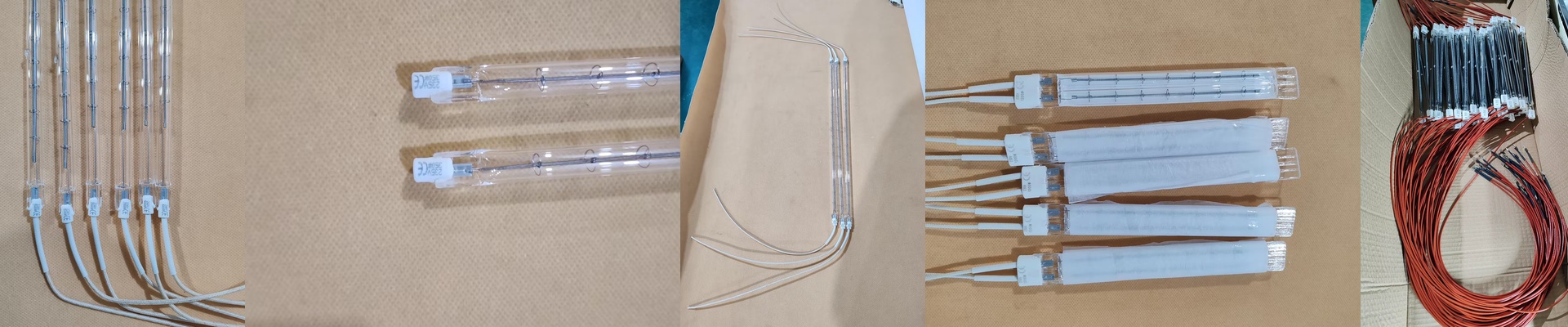
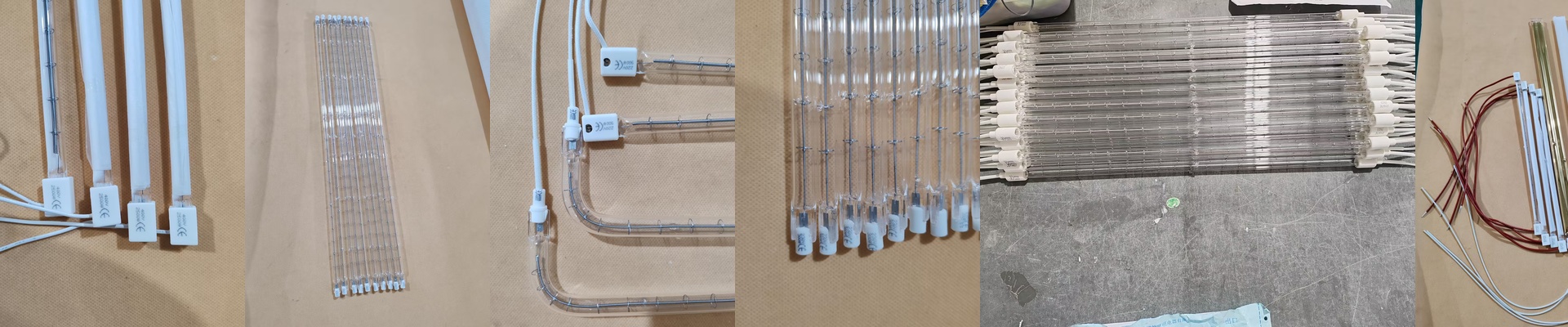
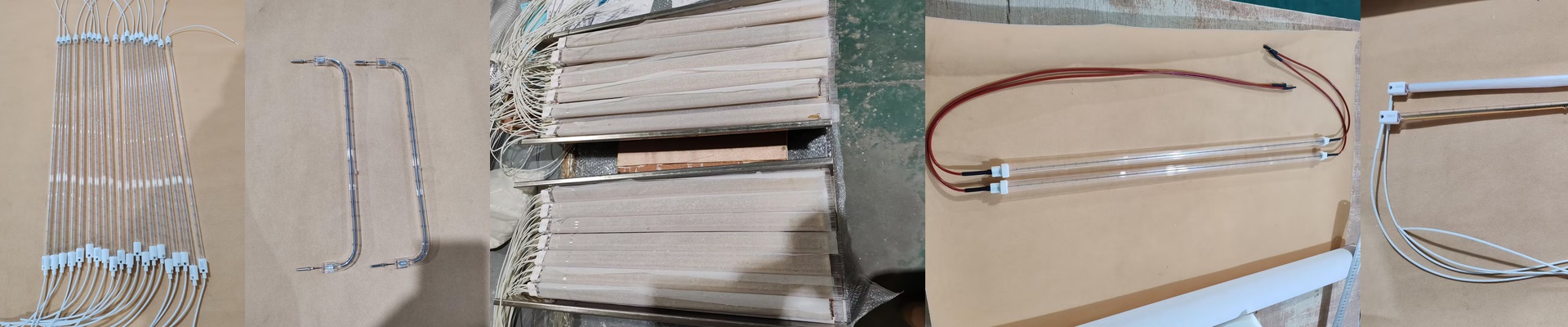
Let’s Talk About the 1500W Halogen IR Lamp
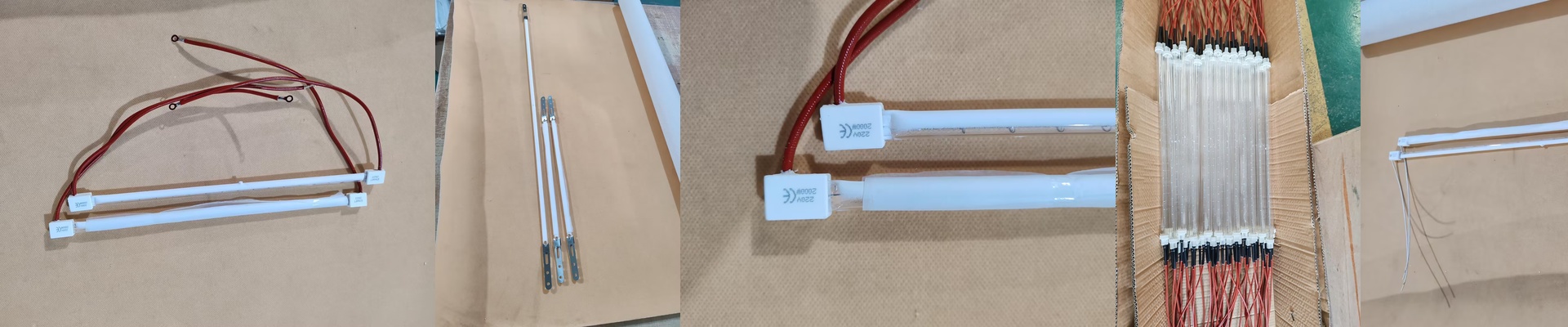
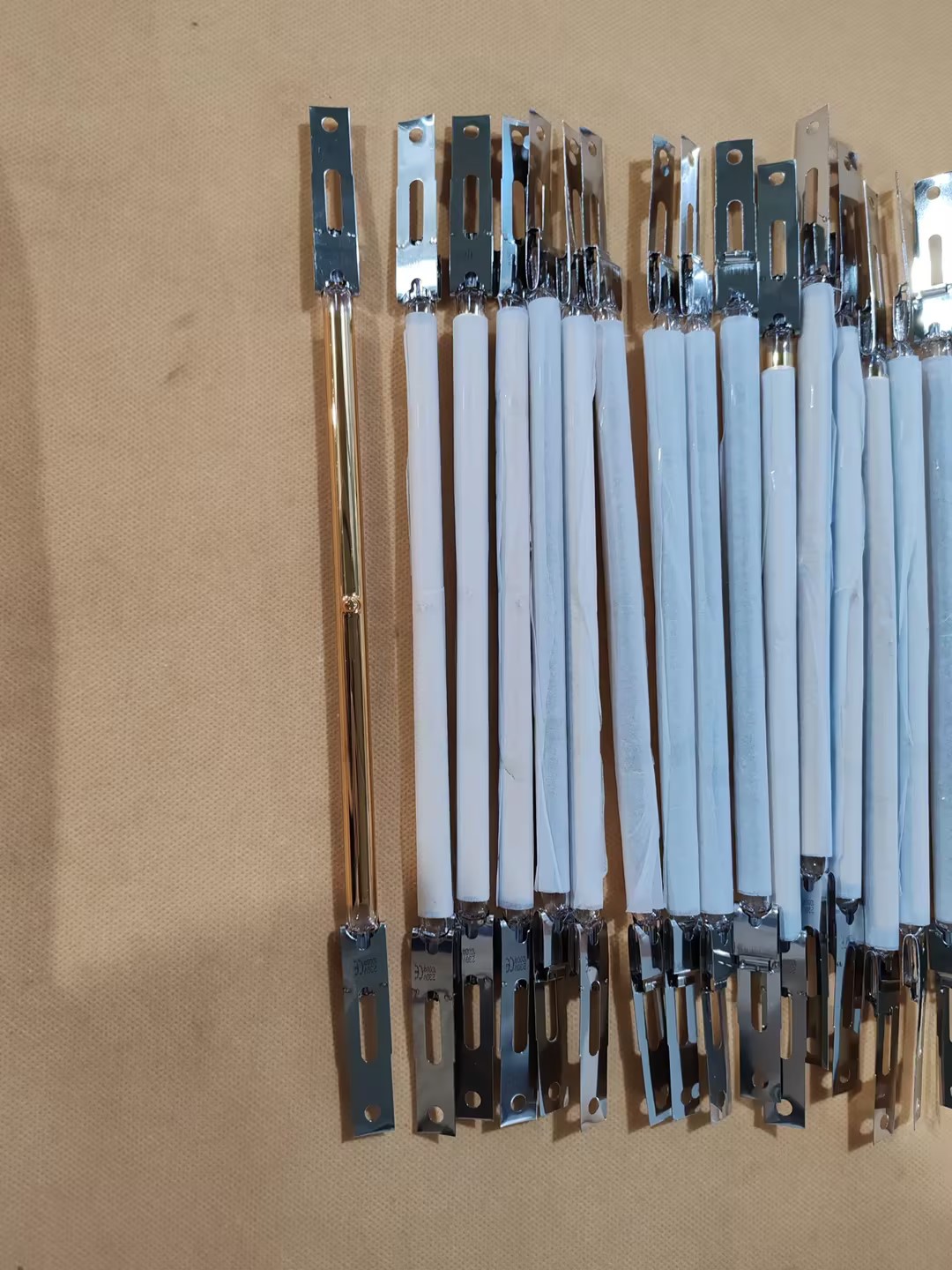
When we built these 1500W halogen lamps, we had one goal: raw, intense heat that hits hard and fast. Inside, there’s a tungsten filament tucked into a quartz envelope and filled with a specific halogen gas mix. Why the gas? Because without it, the filament would just evaporate and burn out almost immediately. The chemistry keeps the lamp stable, meaning you can push it to higher temperatures without worrying about it popping the second you flip the switch. The power is the real story here. At 1500W, you’re getting a massive amount of heat density. Since it’s shortwave IR, it doesn’t just sit on the surface—it punches through materials. It’s nearly instant. That speed lets you shrink the size of your heating bank, which is great for saving space. But a word of caution: 1500W in a small tube is an absolute furnace. If you don’t get your reflectors right, you’ll end up warping your machine frame. Trust me, you don’t want that. Built to take a beating We used quartz glass because it doesn’t freak out when the temperature jumps up and down. It handles that thermal shock like a pro. Plus, the halogen cycle actually puts the tungsten back onto the filament as it runs, so these last way longer than your basic incandescent tubes. We also stuck with standard R7s or SK15 connectors. We wanted these to be a “plug and play” deal, whether you’re swapping them into an industrial oven or a PET blowing machine. Putting it to work You’ll mostly see these in plastic welding, paint curing, or preheating PET bottles. They’re perfect for materials that just ignore long-wave heat. Just be careful with your wiring. These lamps are sensitive. If you over-volt a 1500W lamp by even 5%, you could cut its life in half. It’s a steep price to pay for a tiny bit of extra power. To keep things steady, I’d suggest using solid-state relays (SSRs) with PID control. It keeps the temperature locked in so you aren’t guessing.