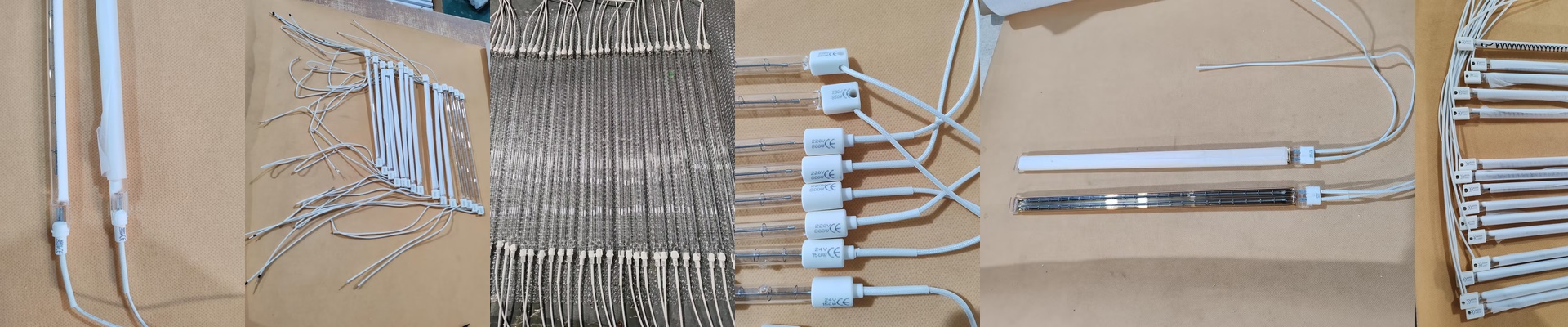
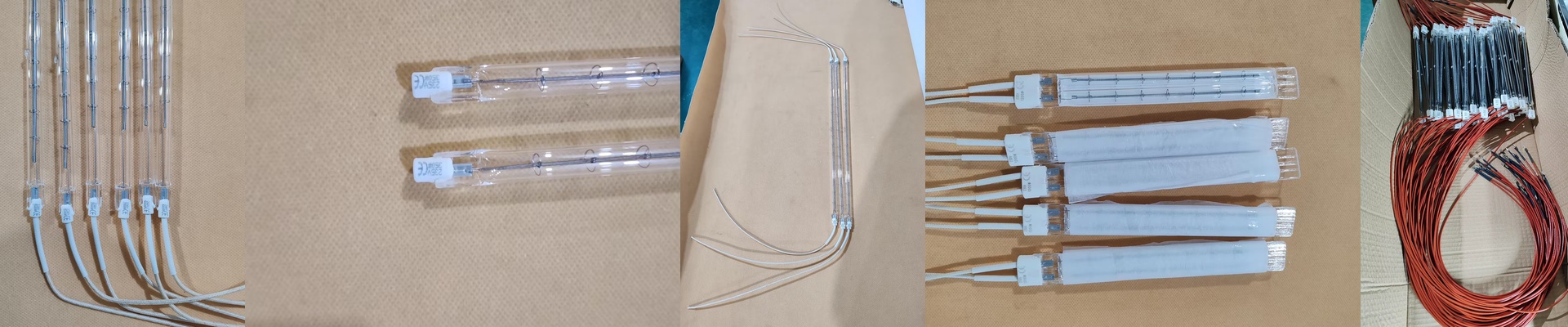
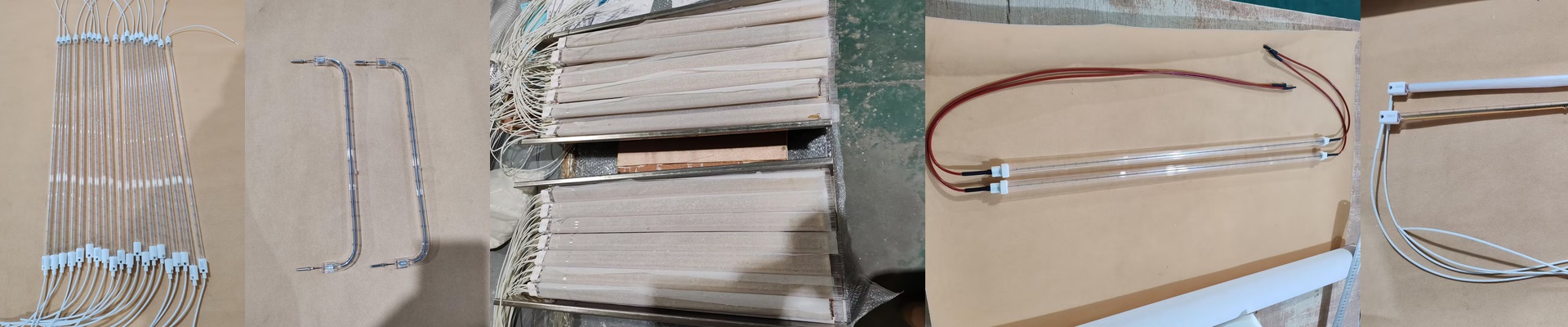
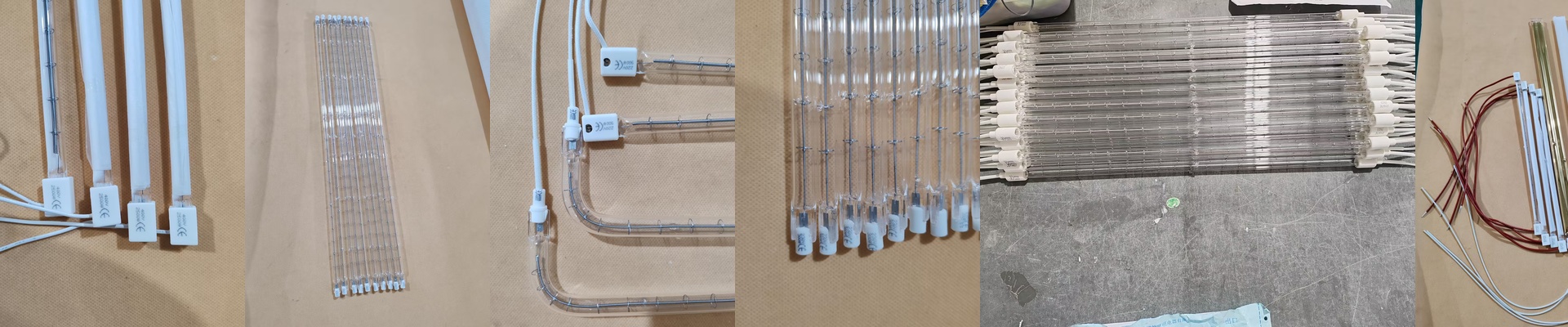
Let’s Talk About Jacket Halogen Heating Lamps
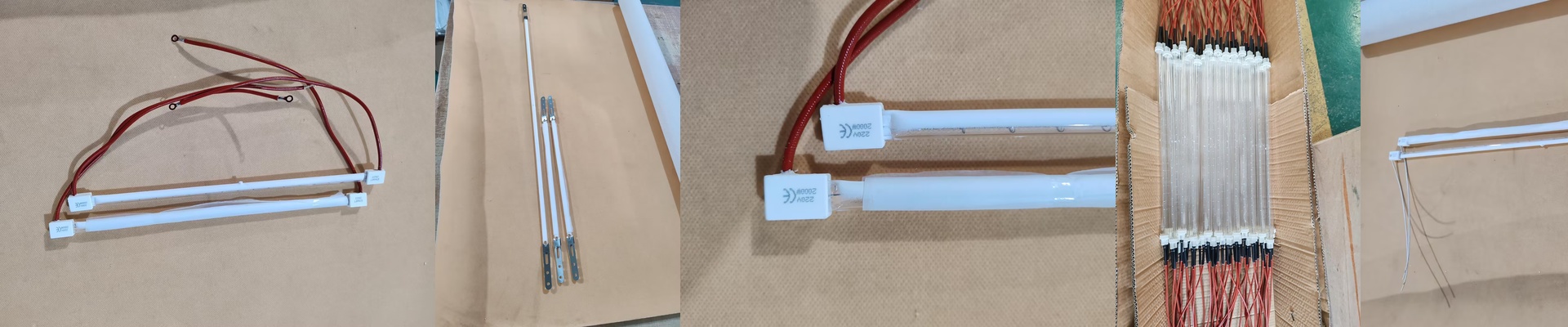
If you’ve ever worked with plastic forming or industrial drying, you know the struggle of getting things up to temperature quickly without burning everything to a crisp. That’s where our jacket halogen lamps come in. They aren’t your average light bulbs. We use a tungsten filament tucked inside a halogen gas mix. The gas basically stops the filament from evaporating, which means the lamp can handle those brutal, high-heat cycles without giving up the ghost after a week. Getting the power right We usually push these lamps with high wattage and voltage. Why? Because we want that heat to hit the material now. It creates a concentrated heat zone that works almost instantly. But here is the catch: if you’re running a 2500W tube, your power supply needs to be rock solid. If you get voltage spikes, you’re just frying your filament. It’s a quick way to waste money. The build quality The heart of the lamp is the quartz envelope. We stick with high-purity quartz because it lets shortwave infrared radiation slide right through without getting trapped. Some of our versions even have a special coating to help target specific polymers. For the plugs, we use R7s or Sk15 connectors. They’re simple, standard, and they just work. They fit tight, so when your machines start vibrating, the lamps stay exactly where they belong. The real-world trade-offs You’ll mostly see these on PET bottle blowing lines or shrink-wrapping setups. The ramp-up time is incredibly fast, which means your production line can move a lot faster. But that intensity is a double-edged sword. Since the heat is so concentrated, you have to keep your reflectors spotless. A little bit of dust or a smudge of oil can kill your efficiency. Worse, it can cause the quartz to crack because the heat isn’t spreading evenly. And one last thing—please, use heat-resistant cabling. If you don’t, your insulation will melt, and that’s a headache nobody wants.