Introduction
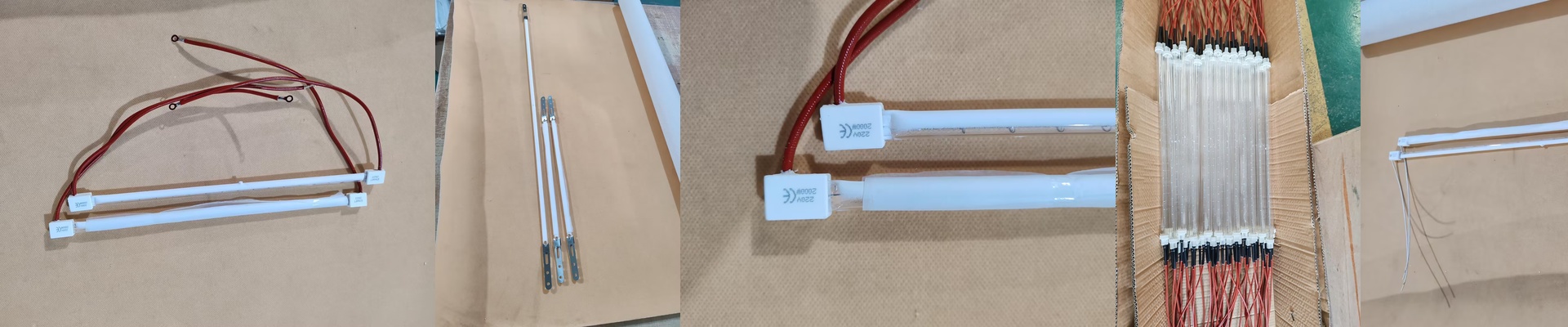
We built this ruby quartz tube halogen heating lamp for one simple reason: to give you heat you can control—lots of it—in a small space. This isn’t about lighting up a room. It’s a focused infrared heat source, made for industrial work where speed and steady output are the whole point.
What makes it tick: power, voltage, and size
It runs at 400V, because that’s what industrial power setups are built around. That lets the lamp pull serious current without tripping over your standard control gear. Wattage and length are matched to the spot you need to heat. Put more wattage into a shorter tube, and you concentrate the energy exactly where you want it. The 300mm length, for example, keeps the heat zone tight. That means less wasted energy and easier shielding. But here’s the trade-off that comes with that kind of density: you’ve got to manage reflection, airflow, and the heat load on the surrounding equipment. It’s doable—just plan for it.
Materials and design: the details that matter
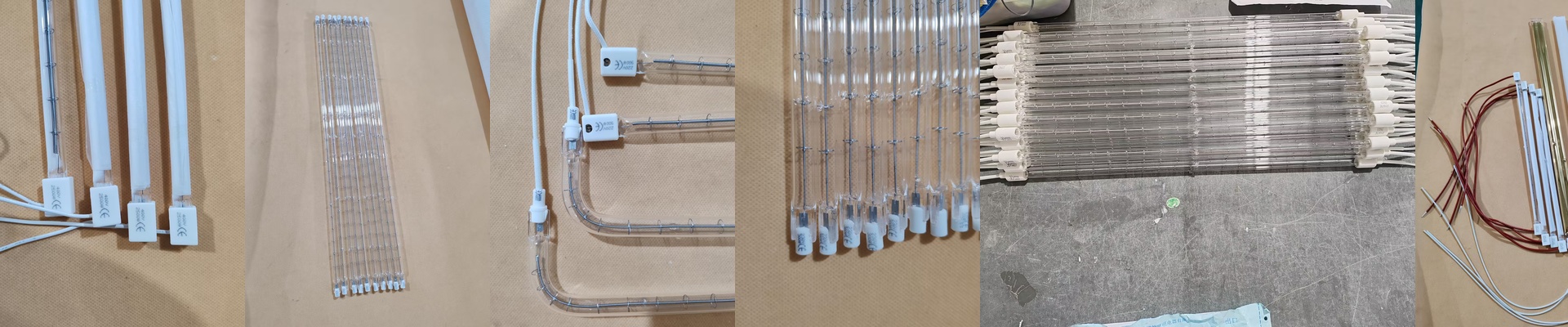
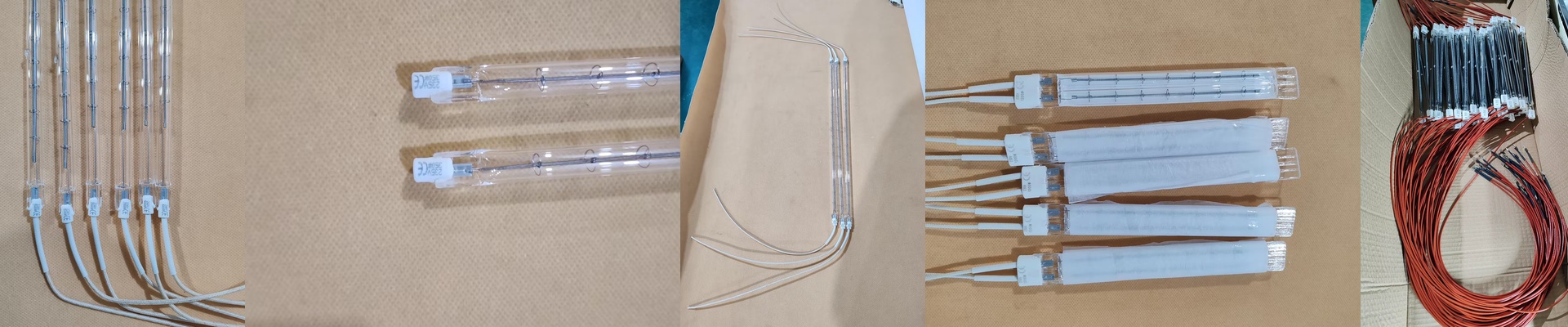
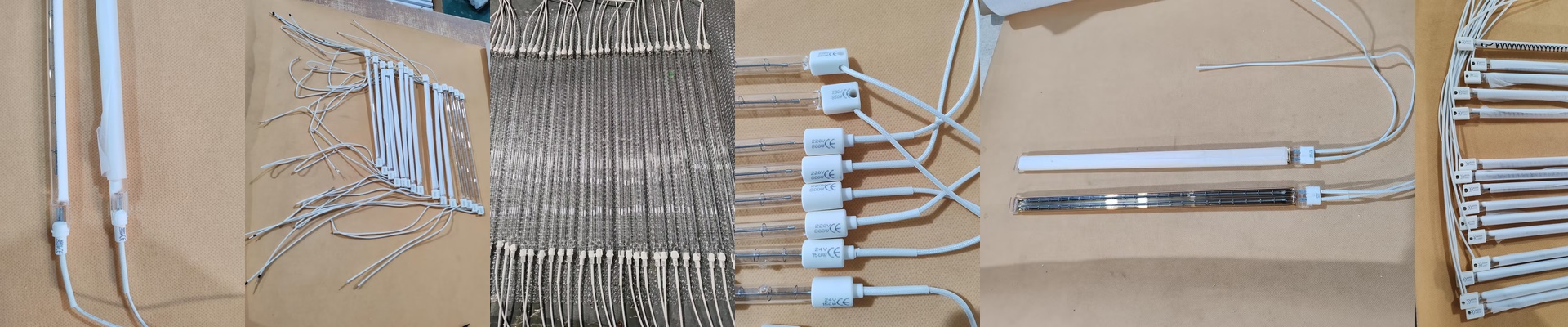
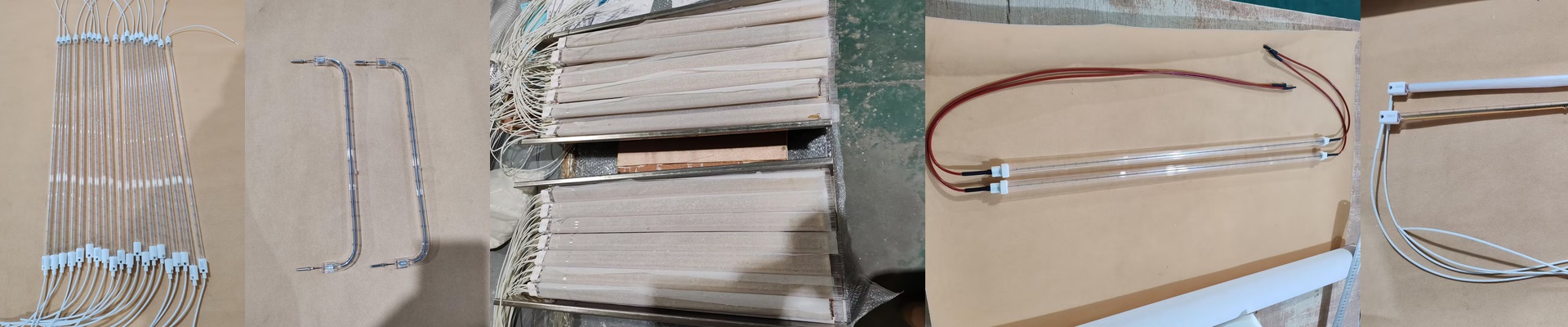
The tube is quartz, plain and simple, because it handles high heat and lets infrared through cleanly. And that ruby tint? Not just for looks. It filters out visible glare and sharpens spectral control, so the heat stays consistent across the target surface. Inside, the halogen cycle keeps the filament stable by putting evaporated material back where it belongs. That helps the lamp last longer and prevents output from fading over time. When it finally reaches end-of-life, it usually comes down to seal stress and thermal fatigue—not a sudden burnout. For installation, we use an R7s base. It locks the lamp in place with a solid, aligned connection that handles the quartz tube’s thermal expansion without shifting. That matters when you’re wiring it into a tight reflector assembly, because even a little misalignment changes the hotspot and gives you uneven heating.
Why it shines in real-world work
You’ll find these lamps where you need heat fast and repeatable control—plastic processing, coating curing, component testing. The response is near-instant. You can cycle the heat on and off without waiting around for warm-up. And because the footprint is small, you can drop it into existing machines without a full redesign. The catch is real: high power density means you need proper cooling and solid mounting. Run it at the rated voltage, keep the envelope clean, and match the reflector geometry. Do that, and you get predictable heat with minimal drift.
The payoff on the production floor
In practice, this setup gives you quick thermal response and stable output, all in a compact size. The R7s base makes installation easier and keeps alignment consistent inside reflectors or fixtures. The ruby-tinted quartz tube delivers targeted infrared while cutting down on visible glare. It’s built for processes that demand rapid heat-up and steady temperature profiles—think plastic forming and material curing. Just keep the high heat density front of mind. You’ll need cooling and shielding dialed in to keep the area around the lamp stable. When the whole system is matched right, the lamp performs predictably and holds up under constant cycling.