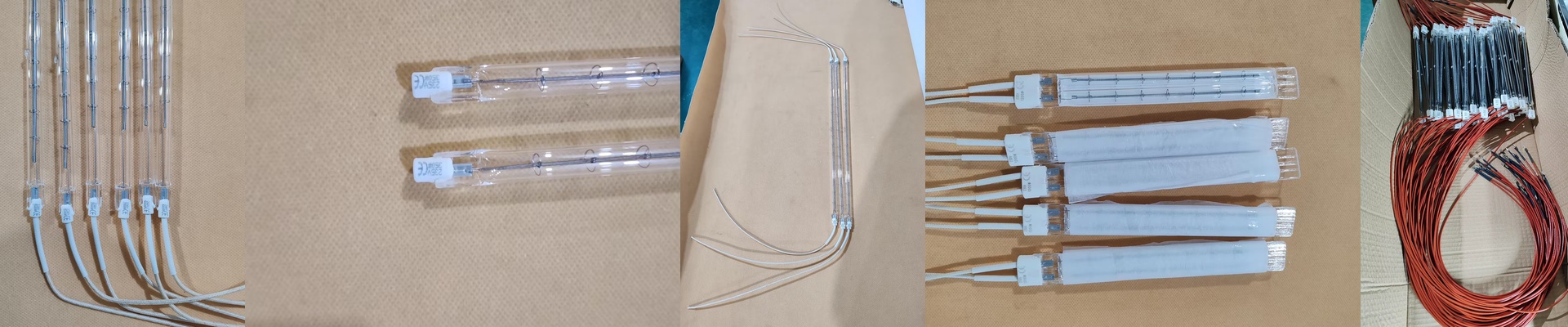
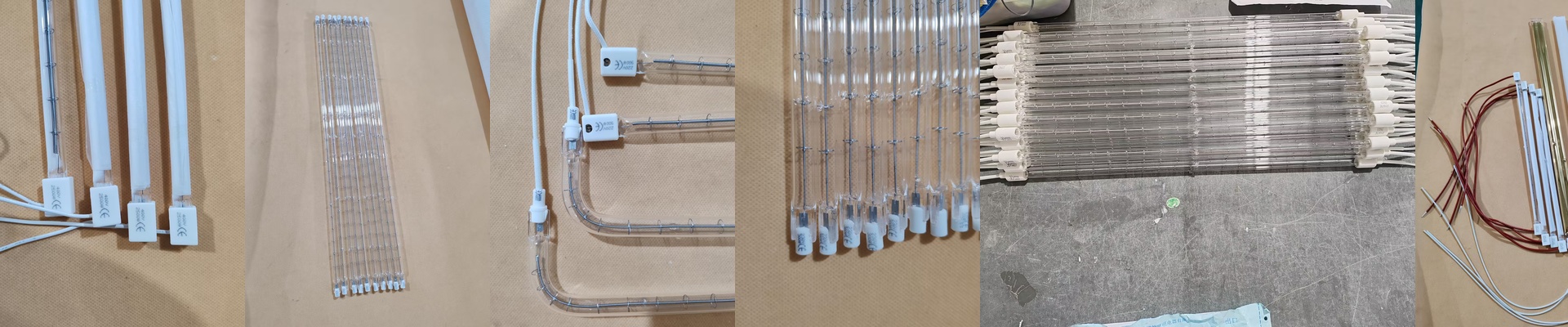
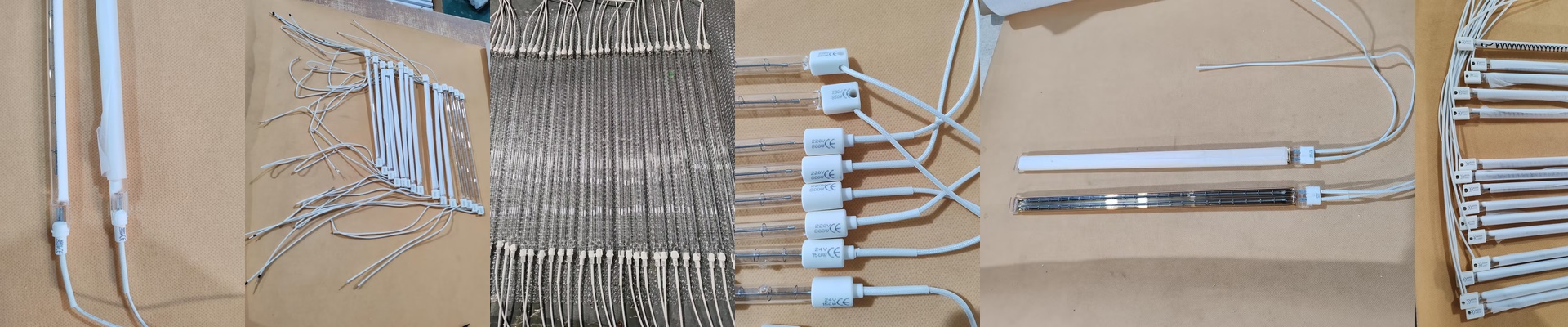
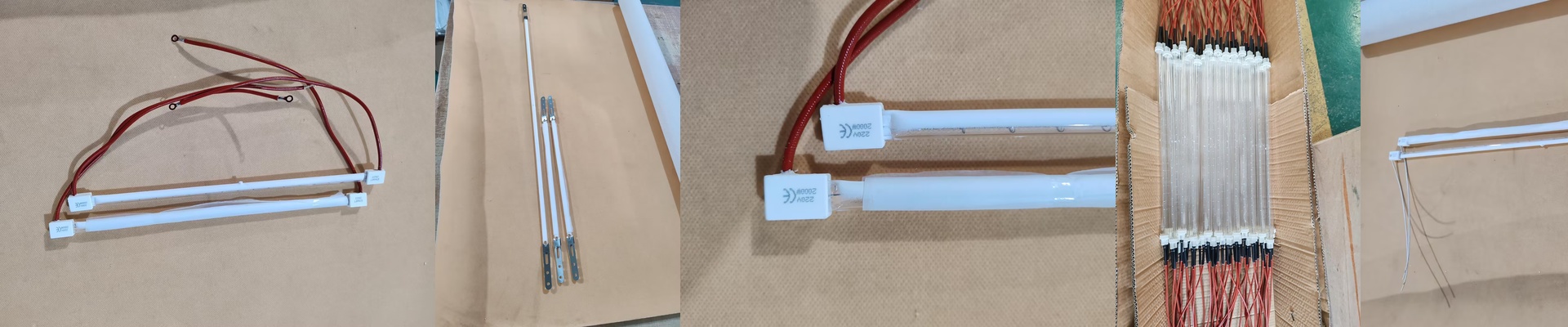
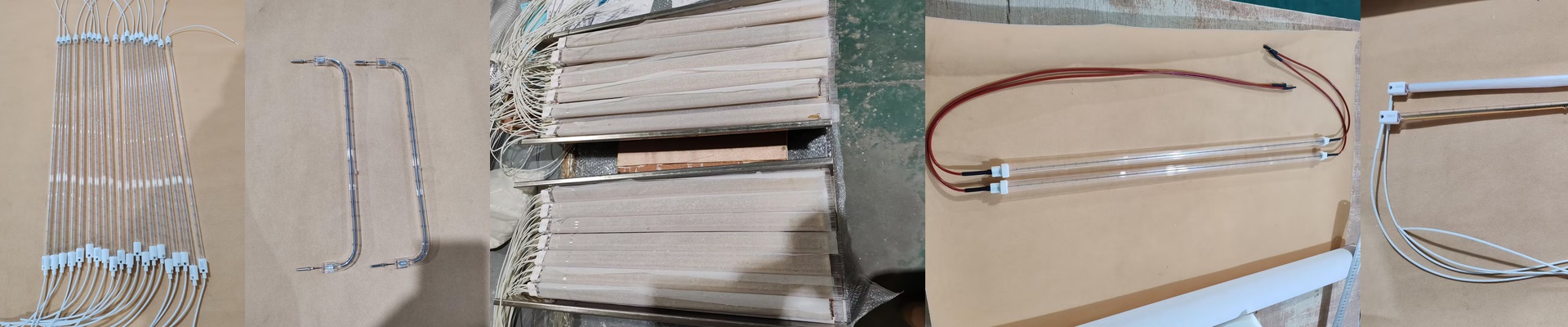
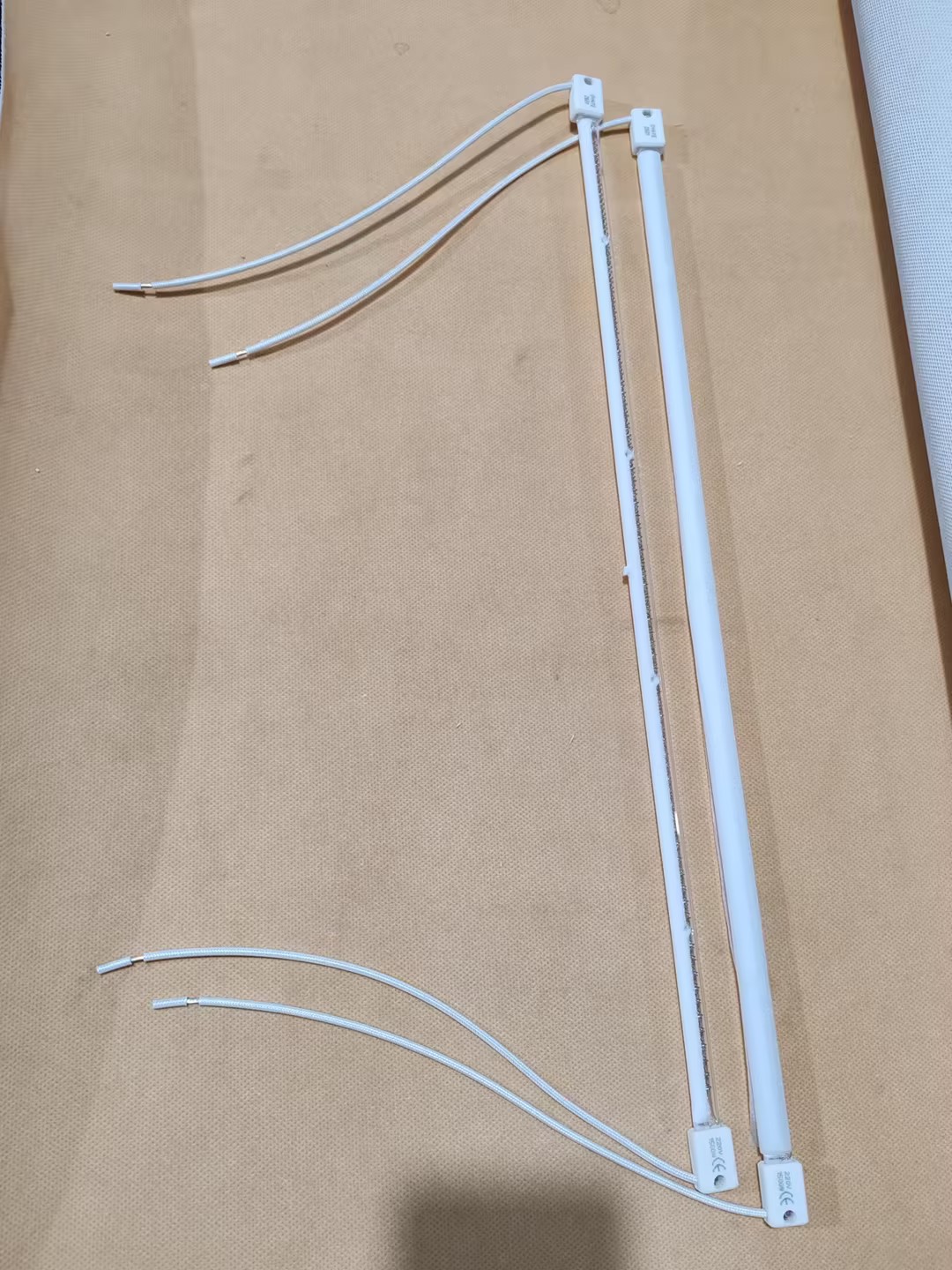
Let’s talk about the Philips Essential Halogen Lamp
First things first: these aren’t the kind of bulbs you’d put in your living room lamp. Think of these more as high-powered heating tools. We built them to blast concentrated infrared energy exactly where you need it, using radiation to move heat instead of just blowing hot air around. The power side of things The heat you get depends on the filament length and the voltage. When you go with a high-wattage tube, you’re packing a massive amount of heat into a tiny space. It’s fast. Really fast. You can hit your target temperatures in a matter of seconds. But here’s the catch: that kind of intensity puts a lot of pressure on your power supply. If your wiring isn’t up to the task, you’ll deal with voltage drops. And once your voltage dips, your heating consistency goes right out the window. Quartz and connections We use high-purity quartz glass to keep the halogen cycle running. This is a clever little bit of chemistry that stops the tungsten filament from evaporating and clouding up the glass. It keeps everything crystal clear. When it comes to getting them installed, we stick to standard connectors like R7s or SK15. They just slide right in. It’s a simple swap, but a tight fit is everything here. A loose connection at these wattages can cause arcing, which is a quick way to fry your socket. A few things to watch out for These lamps are absolute workhorses for things like PET blowing and curing lines. They give you that sharp thermal punch you need to get the job done. But please,do not touch the quartz with your bare hands. The surface gets incredibly hot, but more importantly, the oils from your skin leave invisible deposits. These create “hot spots” on the glass, causing the tube to stress and crack way sooner than it should. Grab some lint-free gloves every time you do a swap. It takes two seconds, and it saves you from wasting a perfectly good lamp.