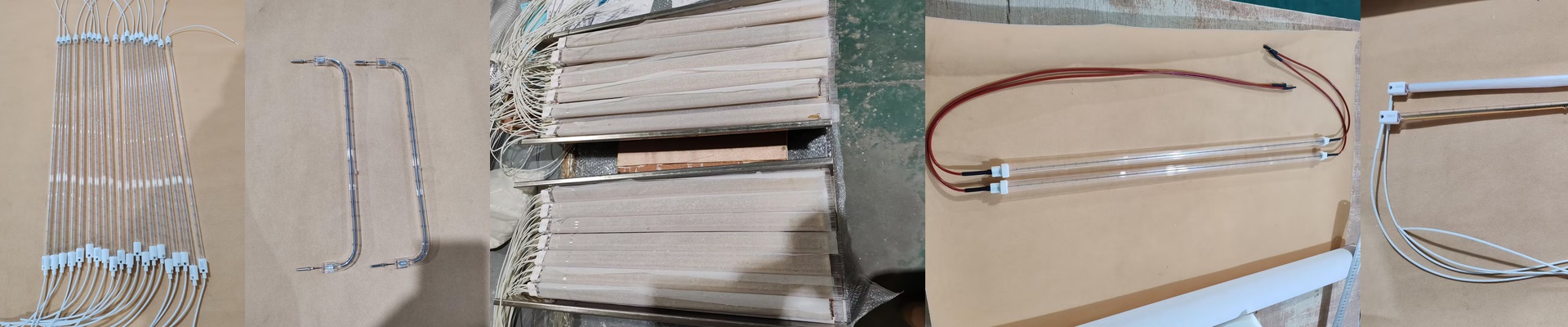
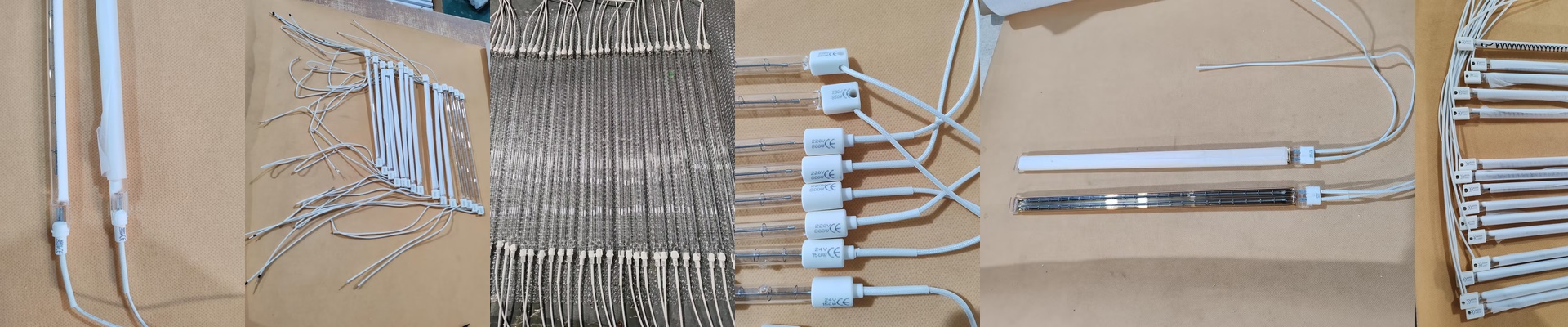
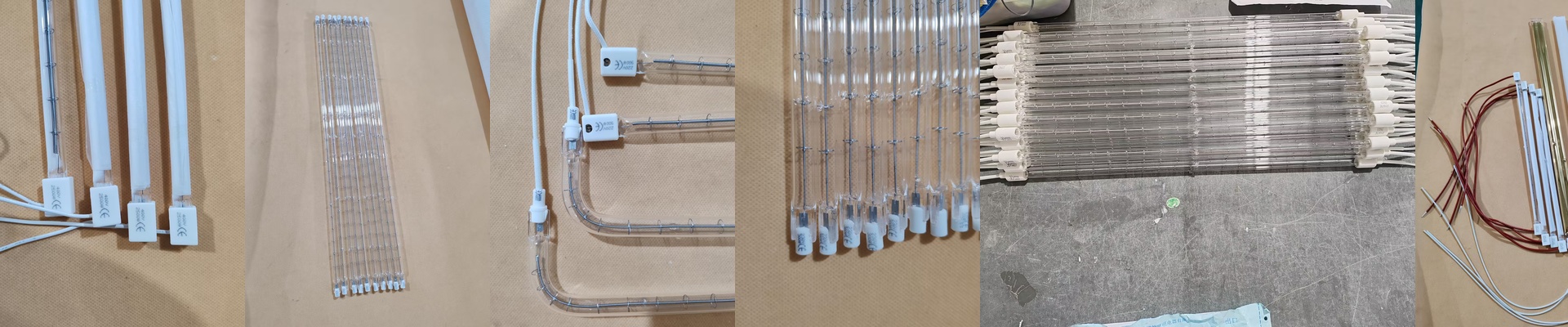
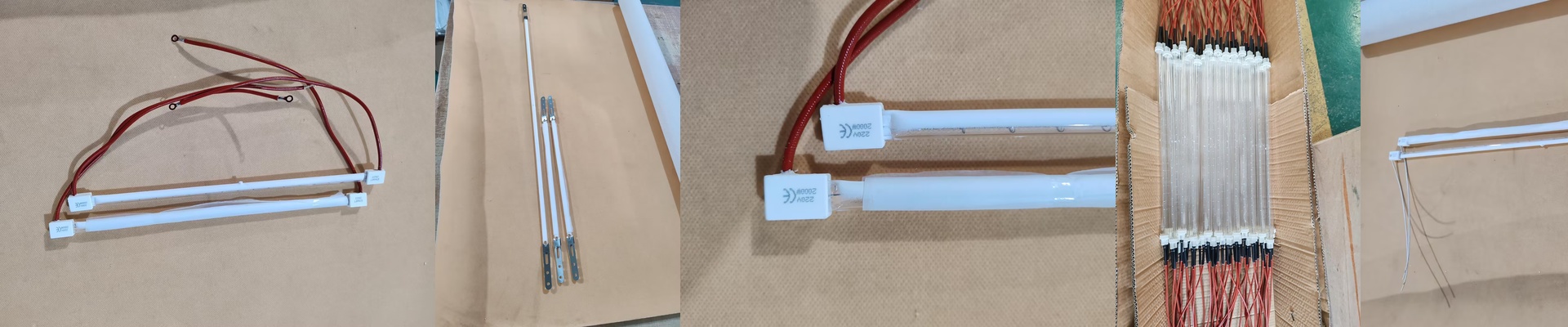
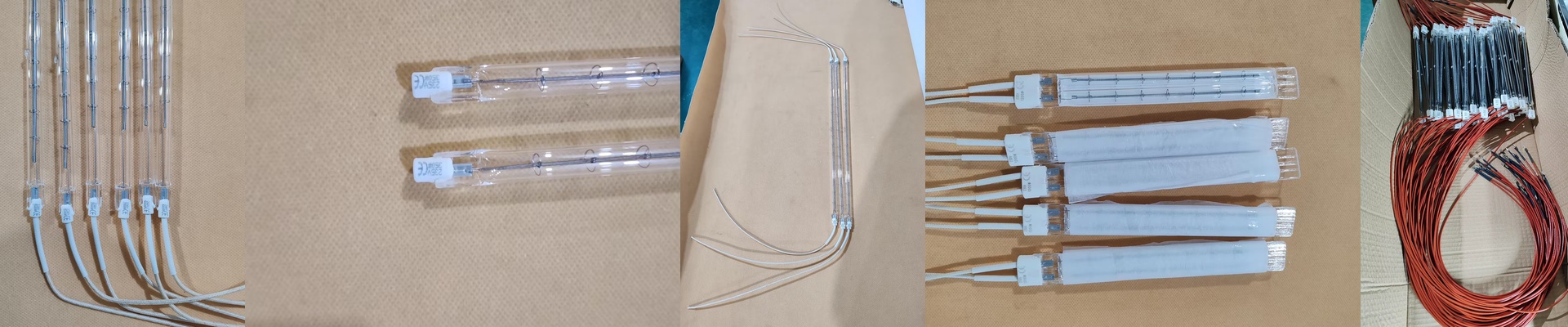
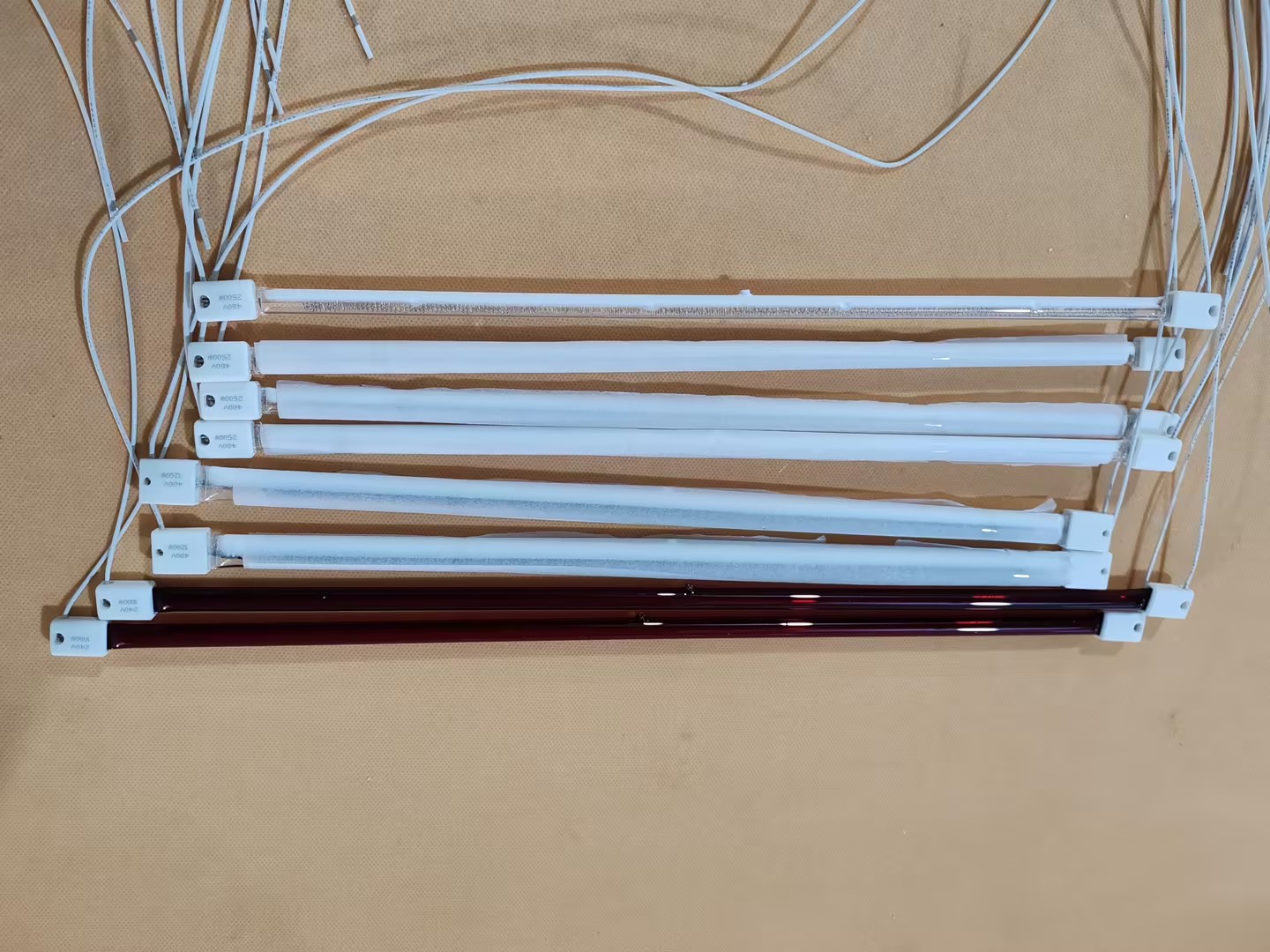
Meet the Light Halogen 1500W lamp. It’s the kind of tool you stick in when you need serious heat in a tight spot, and you need it now. We built this for industrial heating—where space is tight and you need a ton of heat packed into a small footprint. Think production lines, machines that demand instant, focused infrared power, and no room for a bulky heater. This isn’t your average bulb. It’s a workhorse, pure and simple.
Power, voltage, and the shape that makes it all work
At 1500W, this lamp punches hard without taking up space. It gets hot fast, right where you need it, and that quick ramp-up is a game-changer on the line. Just keep in mind: more wattage means faster heating, but it also means more heat for the surrounding hardware to handle. Voltage? We match it to what your plant already runs—120V, 230V, or 400V. Spec a higher voltage and you get the same power with less current. That means smaller wires and less stress on the socket contacts. Nice, clean, practical. The tube is short by design to fit into cramped areas. That short geometry concentrates the heat, which is exactly what you want. But it also means you’ve got to manage reflection and shielding carefully. Otherwise, you’ll end up with hot spots on the target.
The guts: quartz, halogen, and a no-fuss mount
The envelope is quartz because it can take the extreme heat of the filament and lets infrared pass through cleanly. Inside, halogen gas keeps the filament healthy by recycling tungsten back onto it instead of letting it blacken the envelope. The payoff? Stable output over time. No fading. No surprises. And the R7s double-ended connector? It’s the industrial standard for a reason. It locks the lamp in place along the axis, stands up to high heat, and gives you a solid electrical connection. Installation is a breeze—slide it in, line up the pins, clamp, and you’re done.
Where it shines—and what to watch for
You’ll find this lamp doing the heavy lifting wherever engineers need fast, localized heat: softening plastics, curing adhesives, drying components. Because it’s compact, it slips into older machines without forcing you to redesign the whole heater bay. You get consistent output, and when it’s time for maintenance, replacement is straightforward. But here’s the trade-off: that high power density needs room to breathe. Make sure you give it proper clearance and cooling. If you crowd the lamp next to heat-sensitive parts, you’ll cook them. Size your mounting and airflow to match the wattage, and you’ll be good.