Stop Paying for the Logo: Getting Real Value in Plastic Heating
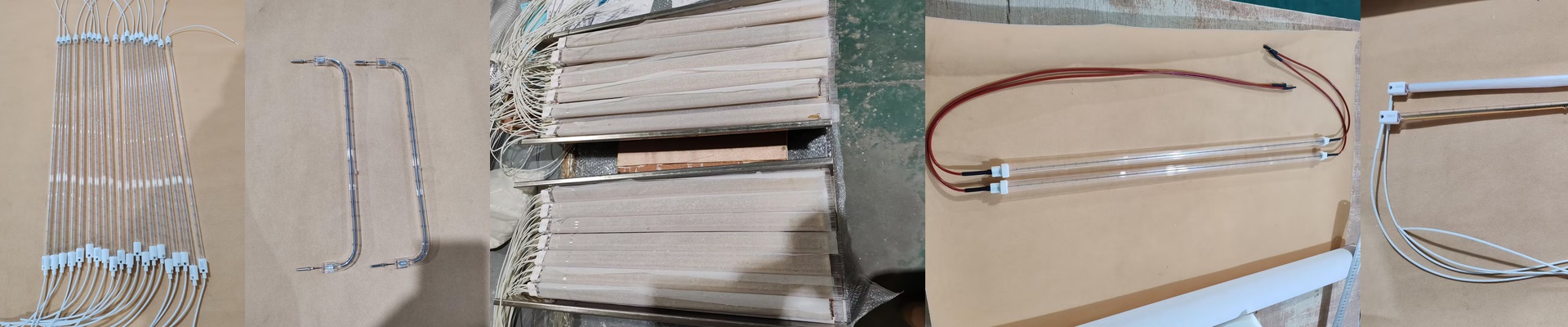
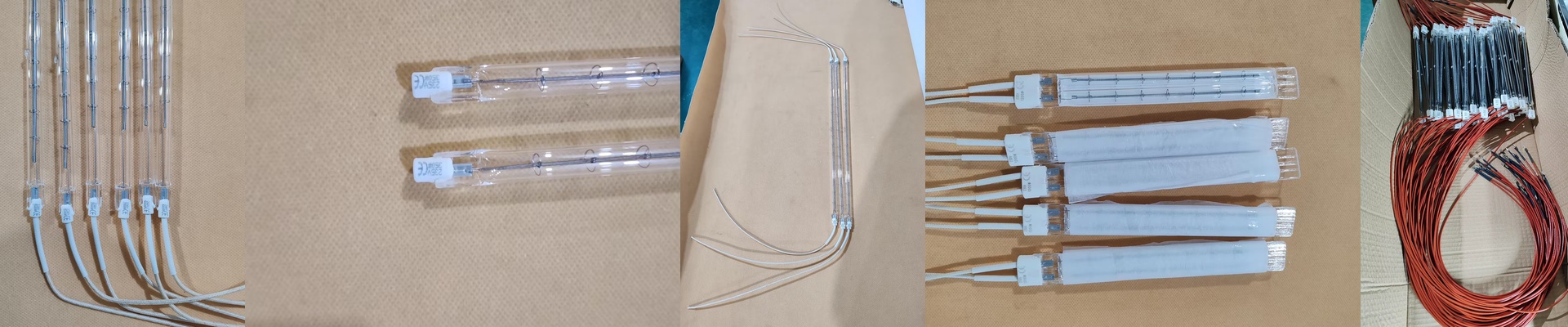
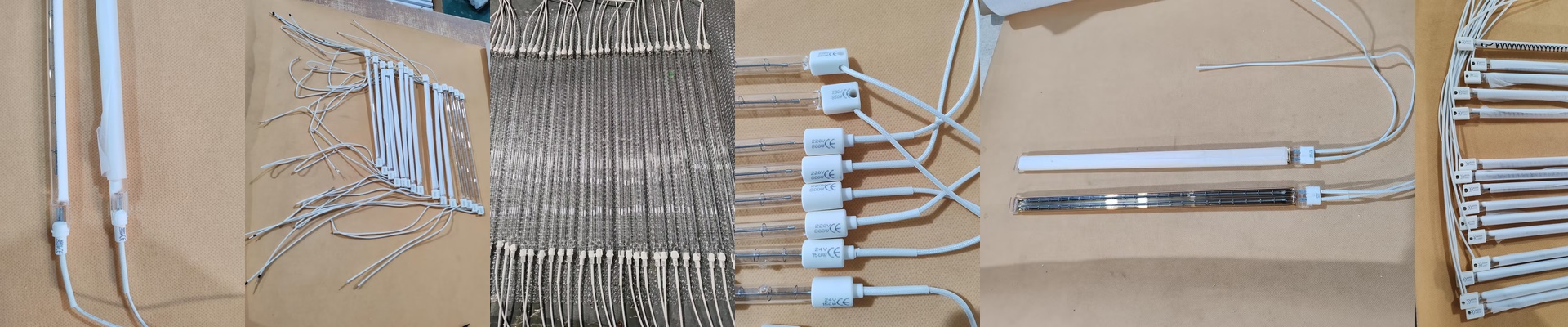
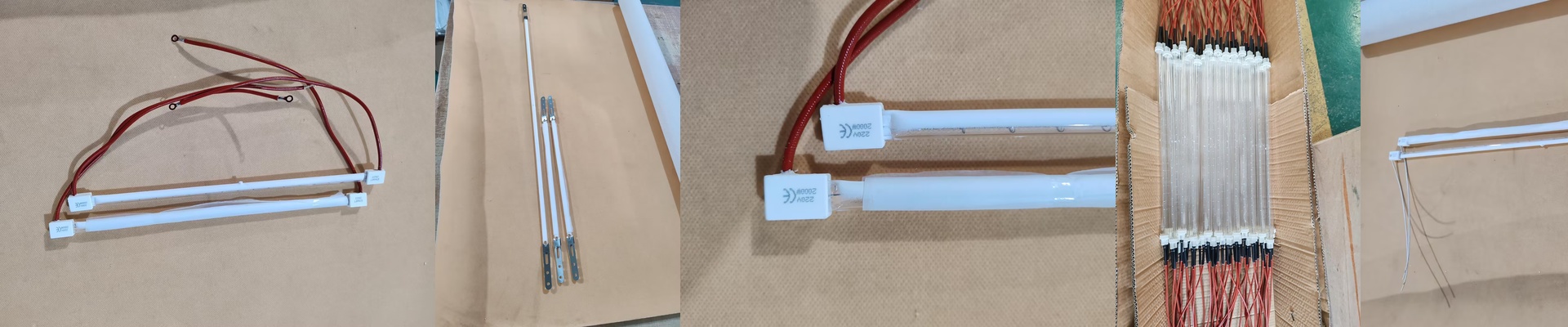
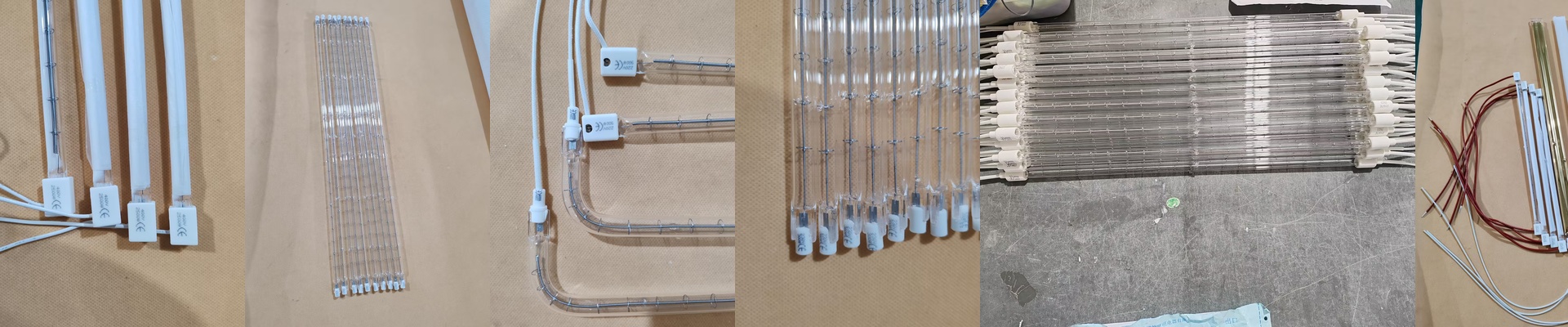
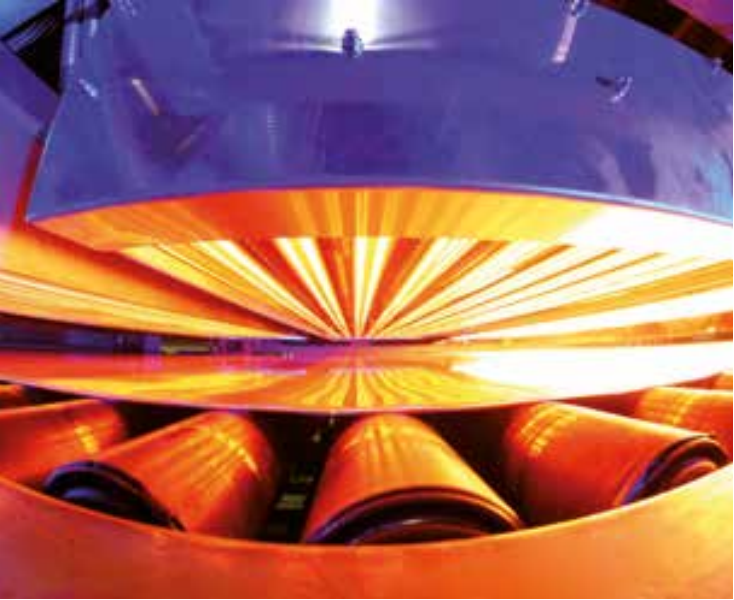
Let’s be honest. When people hear “cost-effective,” they usually think “cheap.” In our world, cheap is dangerous. It means your lamps die early or your heat output starts swinging all over the place. We do things differently. We don’t save money by using low-grade quartz or cutting corners on the tungsten. We just stop paying the “big brand” tax and clean up the supply chain. You get the quality; you just don’t pay for the fancy marketing. The trick to heat density If you’re working with PET preforms, you know the struggle. You need the plastic hot enough to shape, but not so hot that you melt the surface. It’s a tight window. That’s why we build our lamps to hit the exact same wattage-per-millimeter as the top three global brands. The voltage and wattage ratios are identical. You can just pop them in and go. If you’re running a high-speed blowing machine, you need that heat to stay rock-solid over thousands of cycles. No drifting. No surprises. What’s actually inside the tube? We use high-purity quartz glass and halogen gas fills. Why? Because it keeps the filament from evaporating too quickly. It simply lasts longer. We also stick to standard R7s or Sk15 connectors. You shouldn’t have to rewire your entire housing just to switch brands. Plus, some of our tubes have special coatings that shift the infrared spectrum. This is a big deal—it means the heat actually sinks into the plastic instead of just scorching the outside. The reality check Here is the thing: high-wattage lamps put a lot of stress on your power supply. If you crank up the output to speed up your cycles, your cooling fans and vents have to keep up. If you ignore the heat sink, your connectors are going to fry. It’s just physics. At the end of the day, you just want a lamp that doesn’t burn out and hits the temperature setpoint every single time. That’s what we deliver. Same thermal performance, just a much more honest price tag.