Stop Overpaying for Your Plastic Heating Elements
Getting the heat just right in plastic production is a balancing act. Too hot and you’ve scorched your material. Too cool and it just won’t set. It’s a headache. But for most engineers, the real headache is the bill. Usually, you’re buying your heating elements through a long chain of distributors. Every person in that chain takes a cut. It’s a lot of wasted money. We decided to just skip all that. We sell direct from our factory. No middlemen, no hidden markups. Just the parts you need, which means more money stays in your actual operating budget.
Getting the Specs Right
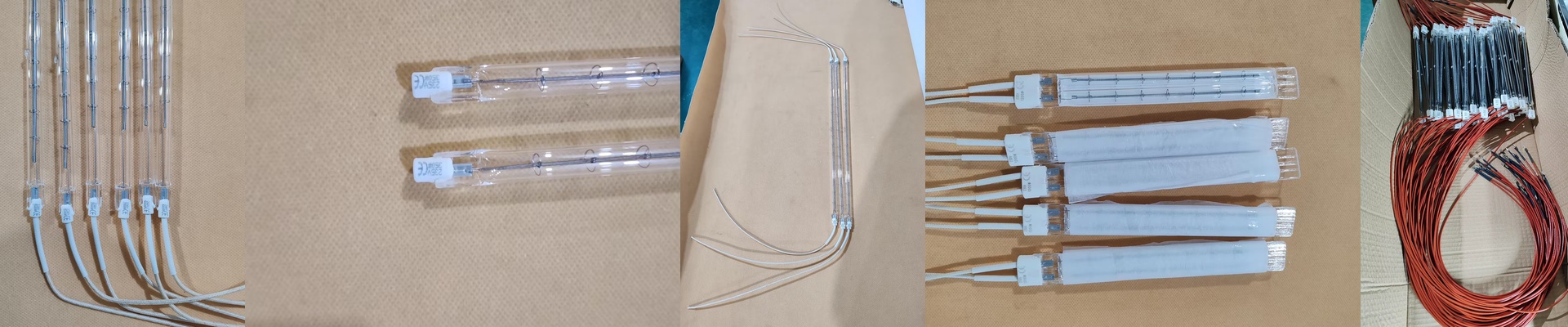
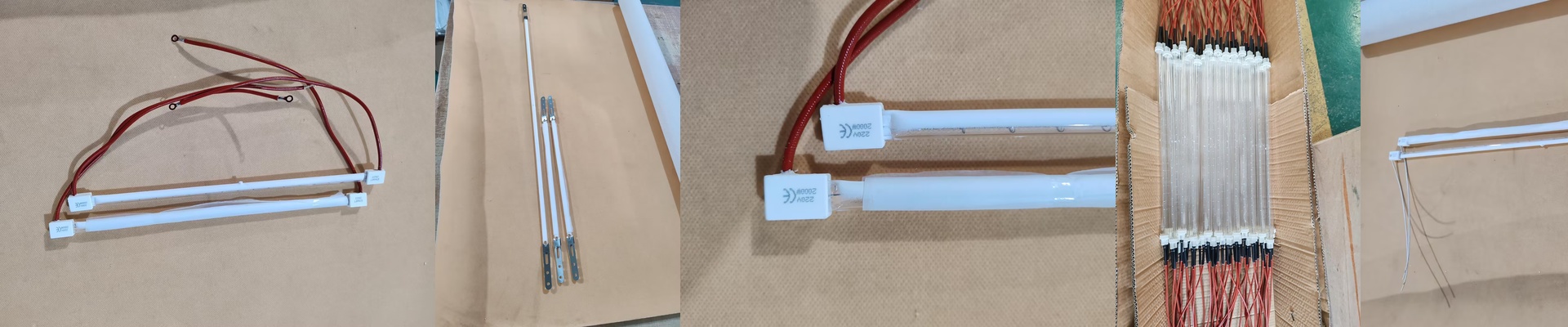
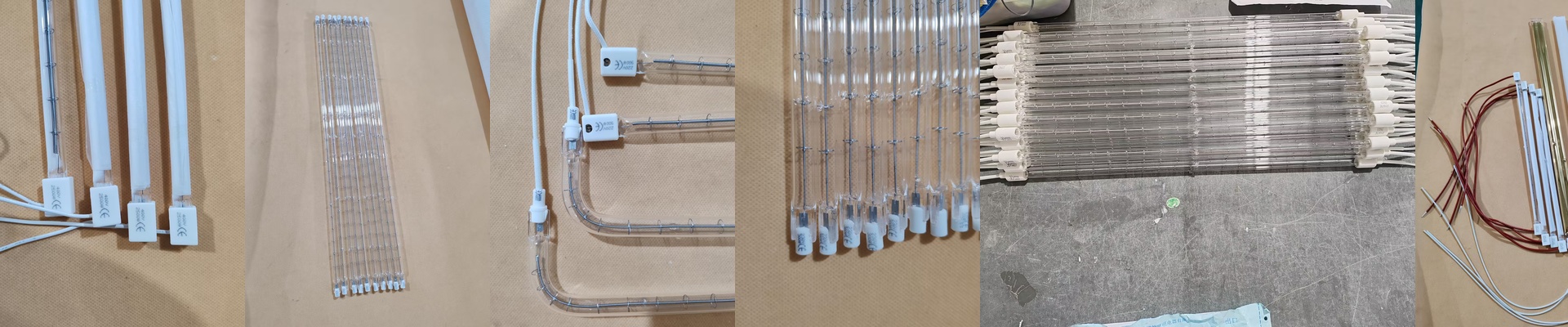
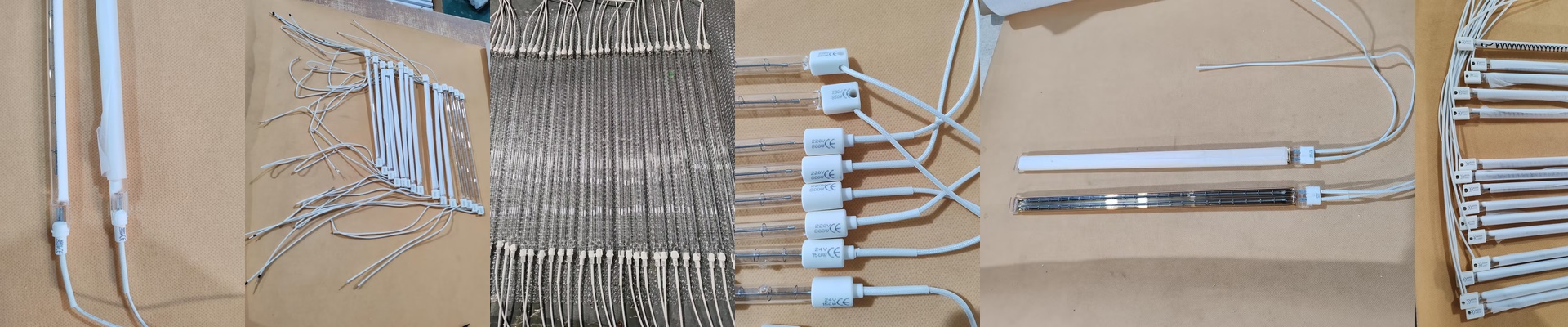
Saving money isn’t about buying cheap, flimsy parts. That’s a recipe for disaster. It’s actually about getting the technical specs to match your machine perfectly. When you buy a “standard” package from a catalog, you’re often paying for stuff you don’t even use—or worse, getting something that doesn’t quite fit your footprint. We do things differently. We build our lamps to handle your specific thermal loads. If you need high-wattage density to speed up your cycle times, we adjust the filament and the quartz thickness to handle it. Whether you’re working with PET or PVC, you get exactly the heat you need. Nothing more, nothing less.
The Perk of Talking to the People Making the Parts
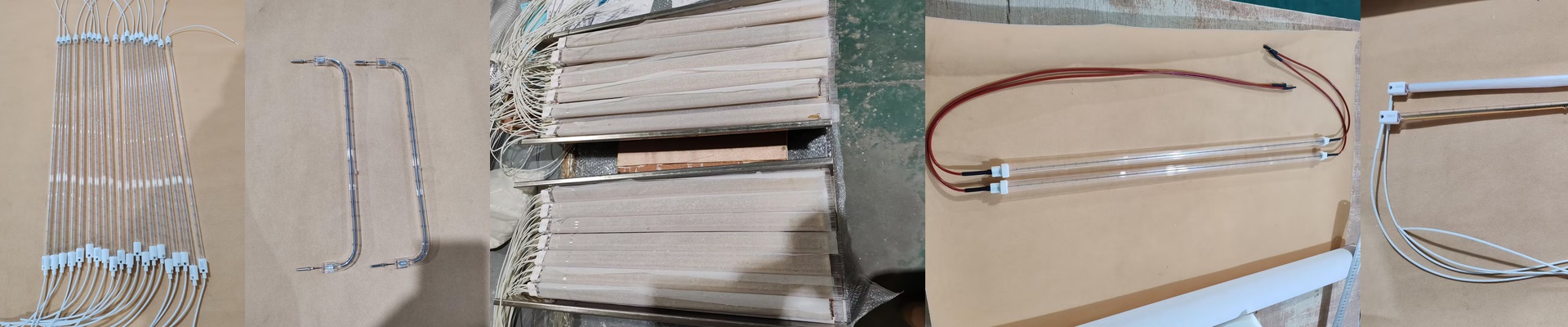
There is a huge advantage to buying straight from the shop floor: you can actually tweak the design. Need a specific length to fit an old housing? A weird connector so it’s a simple drop-in replacement? We can do that. Plus, it stops the “telephone game.” You know how specs always seem to get scrambled when they pass through three different sales reps before hitting the factory? That doesn’t happen here. You tell us the voltage and the heat curve, and we build it. You won’t have to worry about your components burning out early because someone guessed your current draw.
One Small Catch
Here is the thing: buying direct means you have to know your numbers. We don’t have a fancy, curated catalog of “pre-set” options to choose from. We need you to give us the exact electrical specs and dimensions. Just a heads-up—if your machine’s wiring is pretty old, a high-output lamp might trip your breakers. Double-check that your power supply can actually handle the wattage you’re ordering before we start building.