Stop Overpaying for Your Heat Lamps
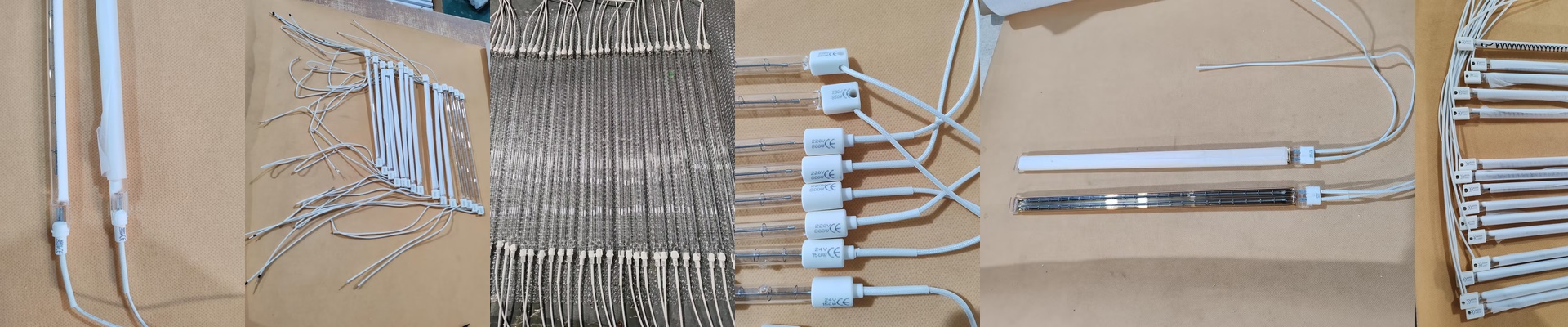
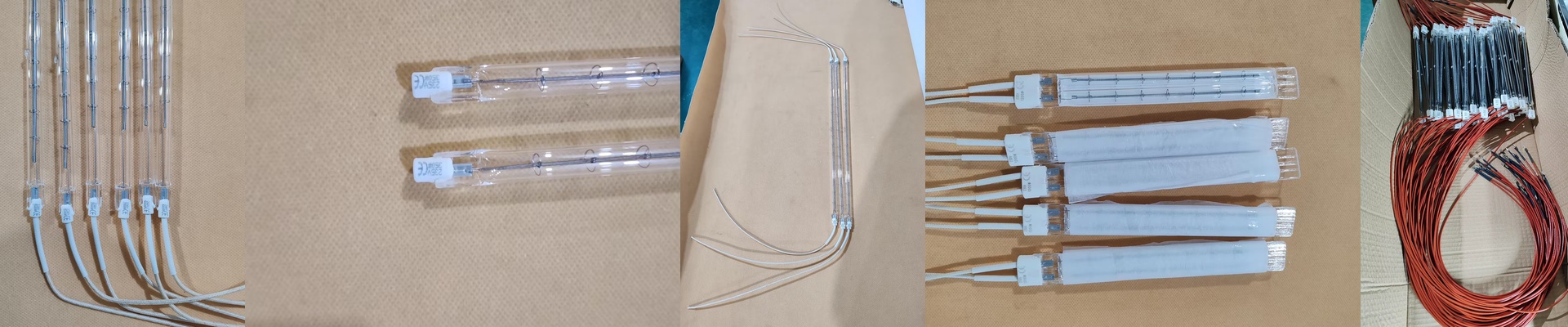
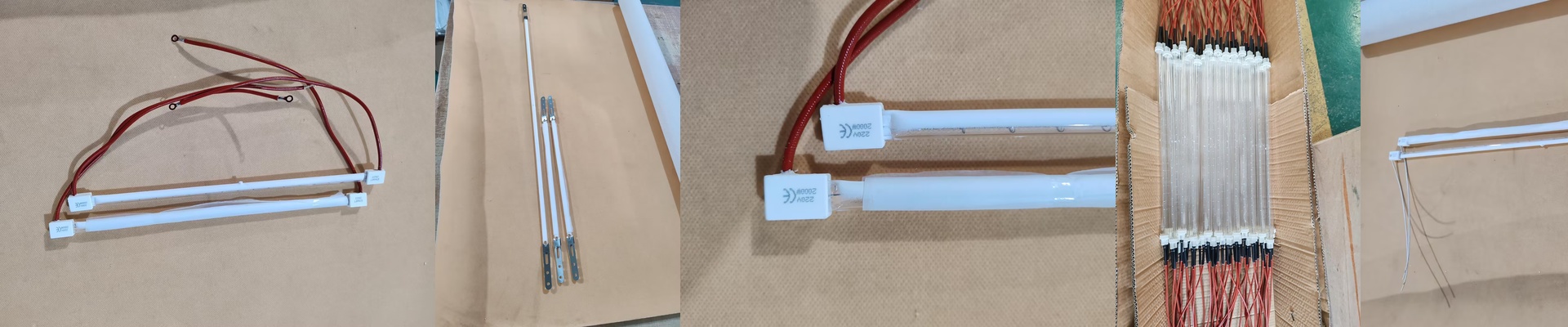
I see it all the time in PET blowing and thermoforming setups. Engineers instinctively reach for those expensive European brands because they’re terrified of the lamps burning out or the heat dropping off halfway through a shift. But here is the thing: when you’re buying a high-wattage quartz lamp, you aren’t actually buying a logo. You’re buying two things: a precise tungsten filament and a clean quartz envelope. That’s it.
Getting the heat right
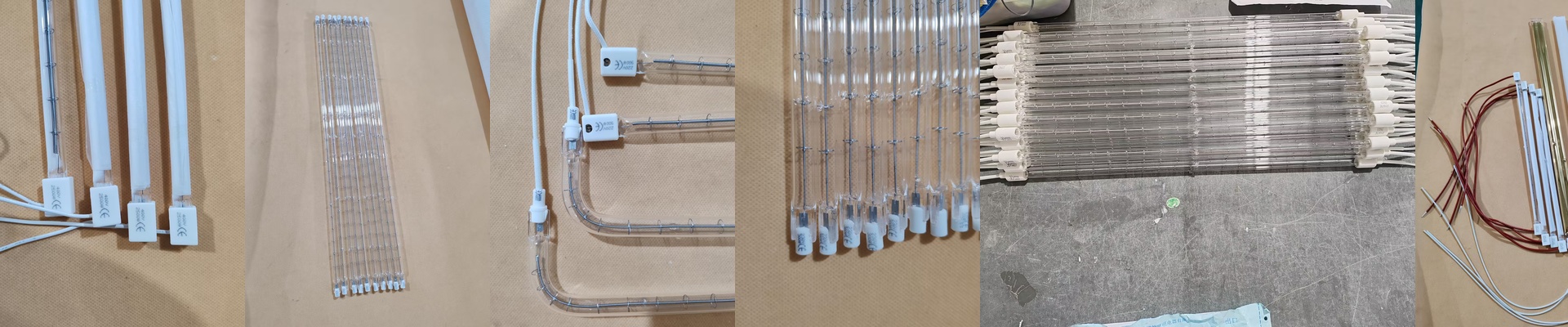
If you want plastic to soften fast, you need a lot of power packed into a tiny space. A 2500W tube at 400V gives you that punchy heat flux needed to get through thick polymers. We use a halogen cycle to keep the tungsten from sticking to the walls of the tube. You know that “darkening” effect you see in cheap lamps? That’s what kills your efficiency. We stop that from happening. One quick tip: watch your voltage. If you put a 400V lamp into a 220V circuit, you’ll never get the temperature you need. On the flip side, trying to “over-clock” the lamp to get more heat will just snap the filament. Simple as that.
The nitty-gritty on hardware
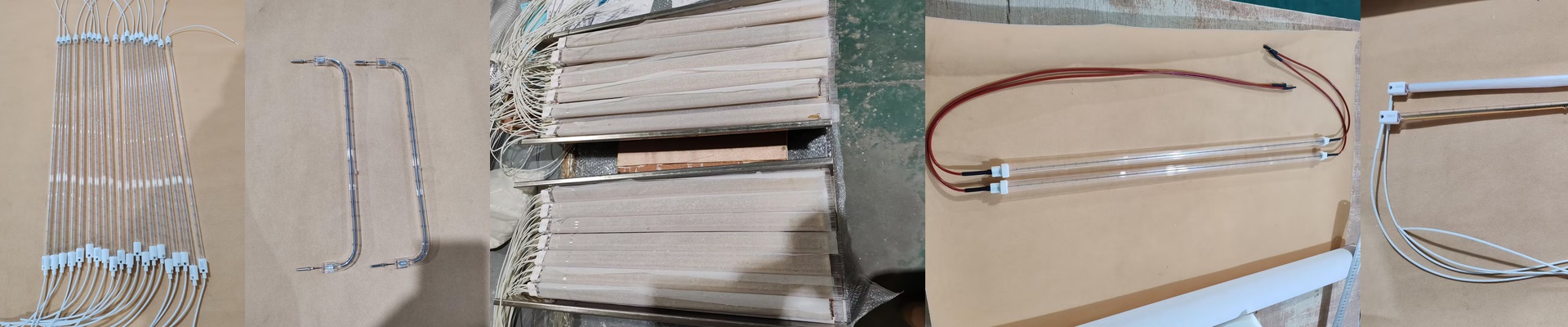
Depending on your housing, we use R7s or Sk15 connectors. These aren’t just basic plugs. They’re built to handle the way quartz expands when it gets screaming hot. We also use high-purity quartz. Why? Because it doesn’t soak up the infrared energy it’s supposed to be throwing at your plastic. Plus, some of our tubes have a special coating. It shifts the spectral output so the heat sinks deeper into the material rather than just scorching the surface.
The reality check
These lamps put out a massive amount of heat. Because of that, you can’t slack on your cooling fans or heat shields. If your airflow is bad, your socket is going to melt long before the lamp actually dies. We’ve made these to be a direct swap. You get the same lumens and wattage as the “gold standard” brands, but you stop paying the luxury markup. Just plug them in and get back to work.