Getting Paper Drying Right with Halogen IR Lamps
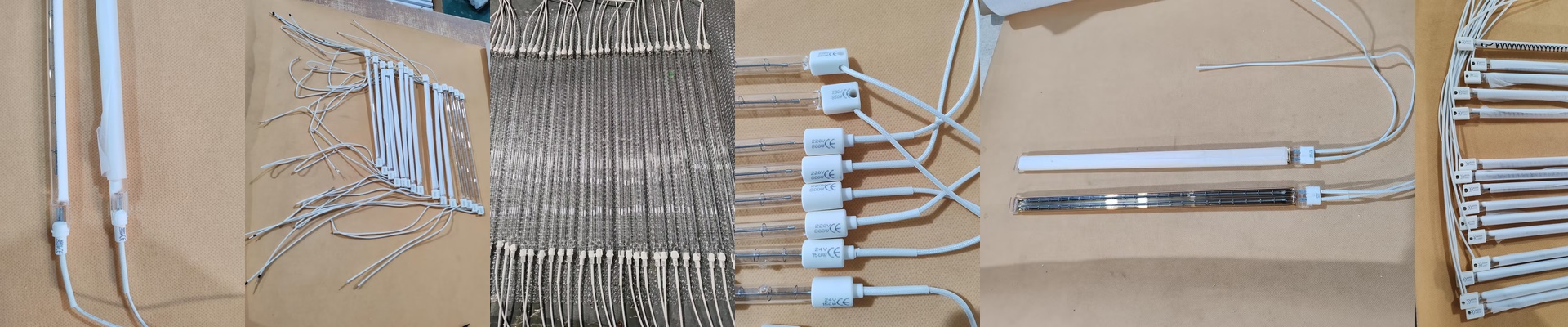
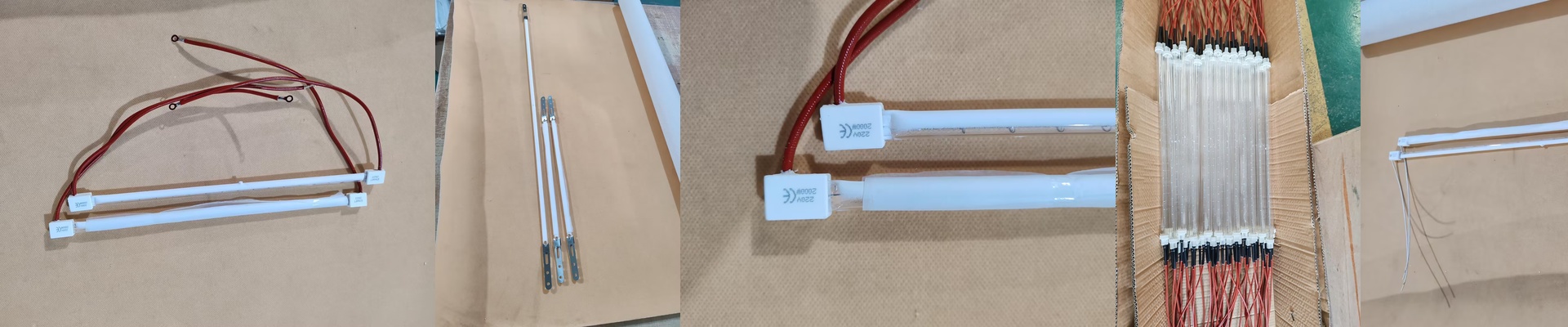
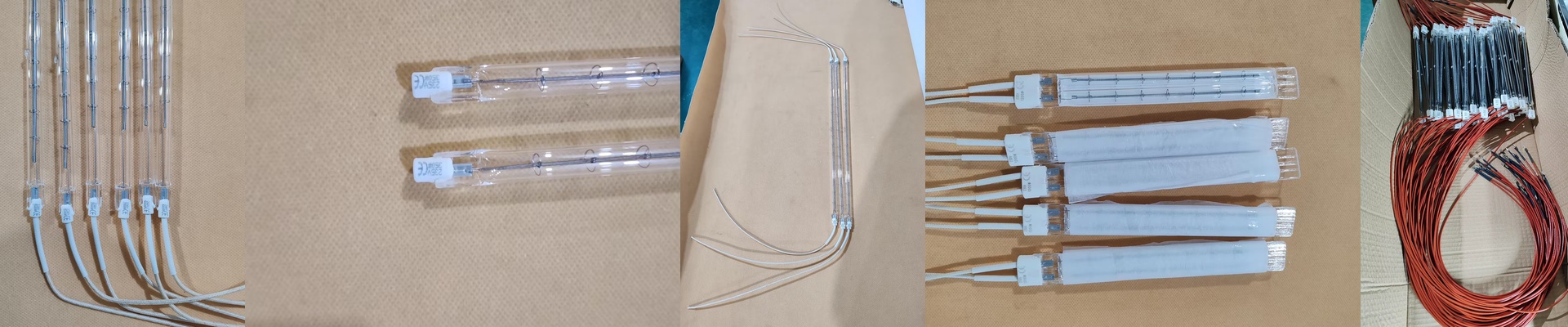
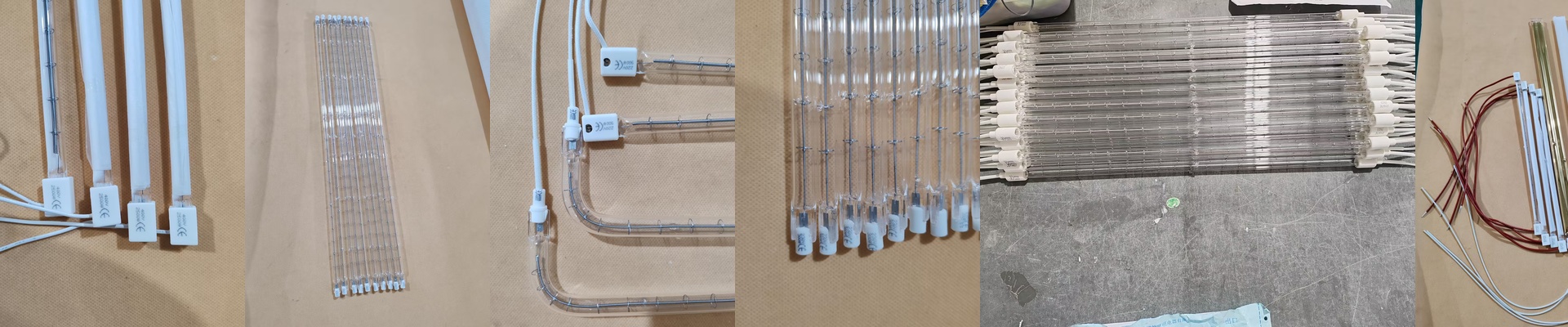
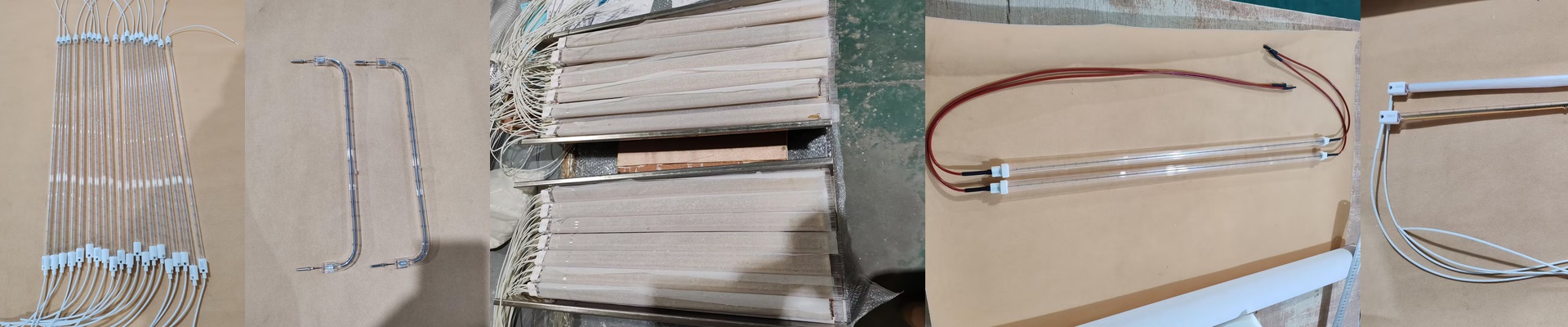
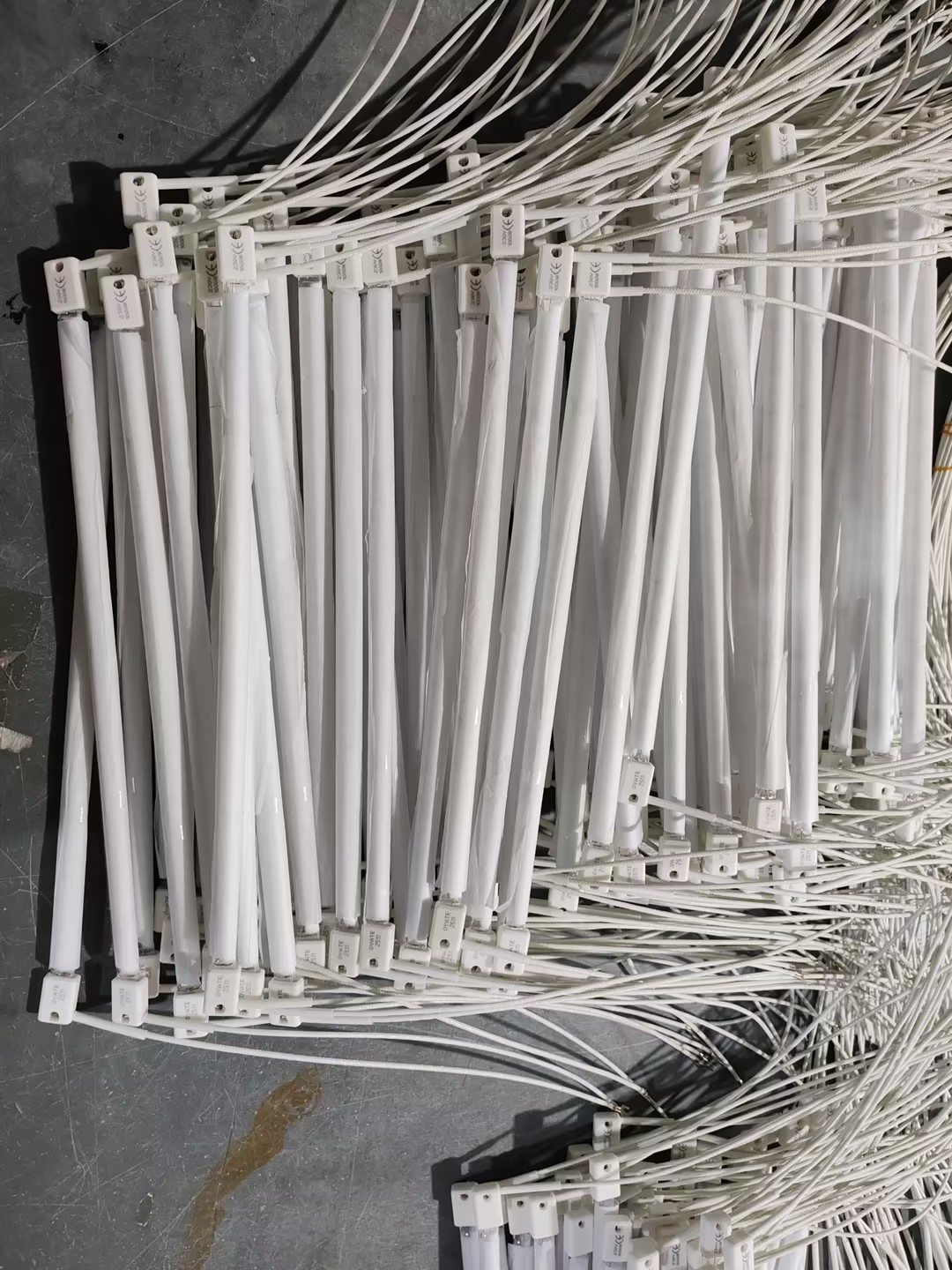
Drying paper is a bit of a balancing act. You need the moisture gone fast, but if you push too hard, you end up with scorched edges and a lot of wasted material. That’s where halogen infrared lamps come in. They use shortwave radiation that basically dives straight into the paper rather than just sitting on the surface. Inside, there’s a tungsten filament tucked into a quartz tube with a bit of halogen gas to keep the filament from wearing out too quickly. It’s simple, but it works. The heat side of things Here’s the thing about power: your wattage and voltage basically dictate how much heat is hitting that paper web. If you want to crank up your line speed, you’ll need higher-wattage tubes. But be careful. You’ve got to make sure your voltage matches your power rails, or you’ll fry the filaments. And if you go too heavy on the power without speeding up your conveyor, you’re going to burn your paper. Plus, don’t forget your cooling system. Those lamp housings get hot—really hot—and you need a way to move that ambient heat away. Glass and connections We use high-purity quartz because it can handle the shock of being turned on and off rapidly without cracking. When it comes to the plugs—usually R7s or SK15—you want a tight fit. A loose terminal isn’t just a nuisance; it creates hot spots that can actually melt your sockets. Some of these lamps also have special coatings. These are great for thick paper because they shift the heat spectrum to hit the deeper moisture layers. Keeping things running These are designed to be easy drop-in replacements for your existing IR arrays. But if you want them to actually last, you have to keep the tubes clean. Dust and paper fibers are the enemy here. They create tiny heat pockets on the glass, and that’s usually why a tube cracks. Stick to a strict cleaning schedule. And look, while these ramp up way faster than ceramic heaters, they don’t last forever. Filaments eventually degrade. The best move is to track your operating hours and swap them out before they fail in the middle of a big run. It’ll save you a massive headache.