Stop Paying the “Brand Tax” on Your IR Lamps
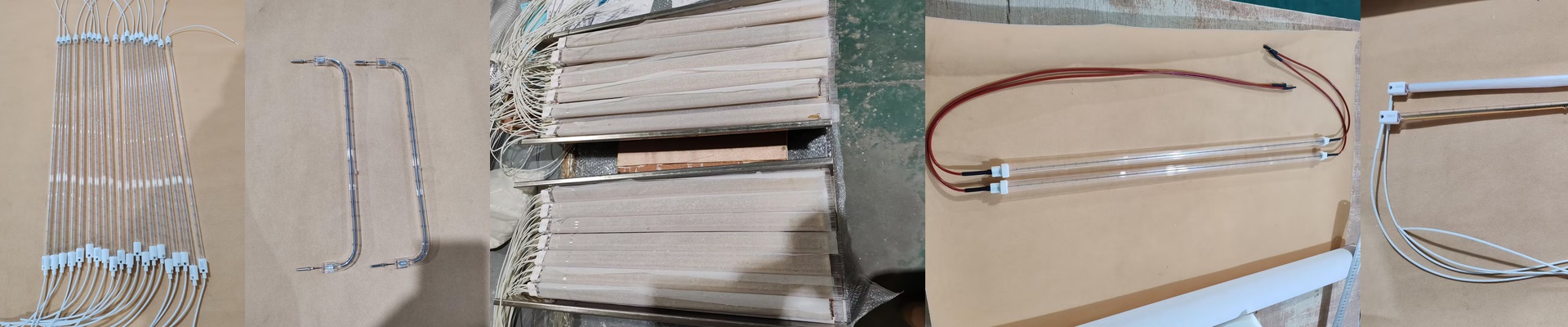
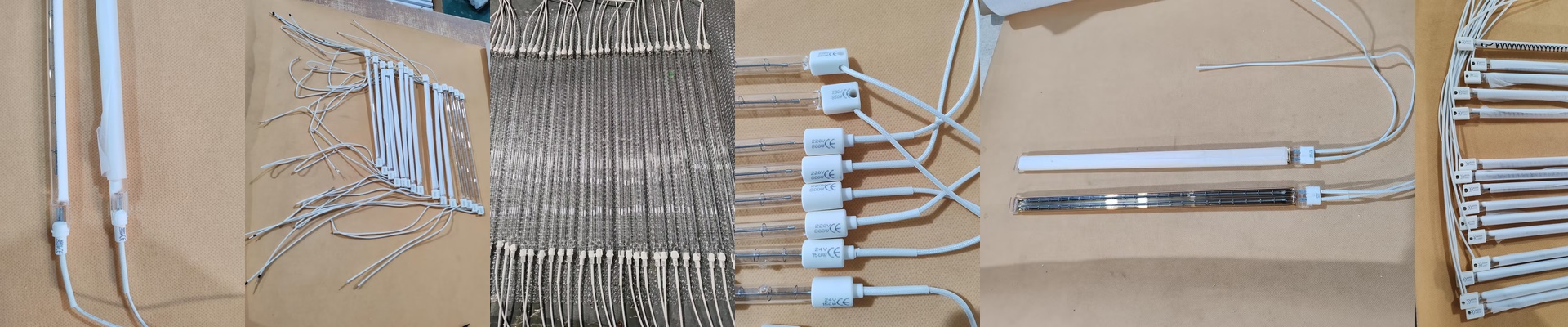
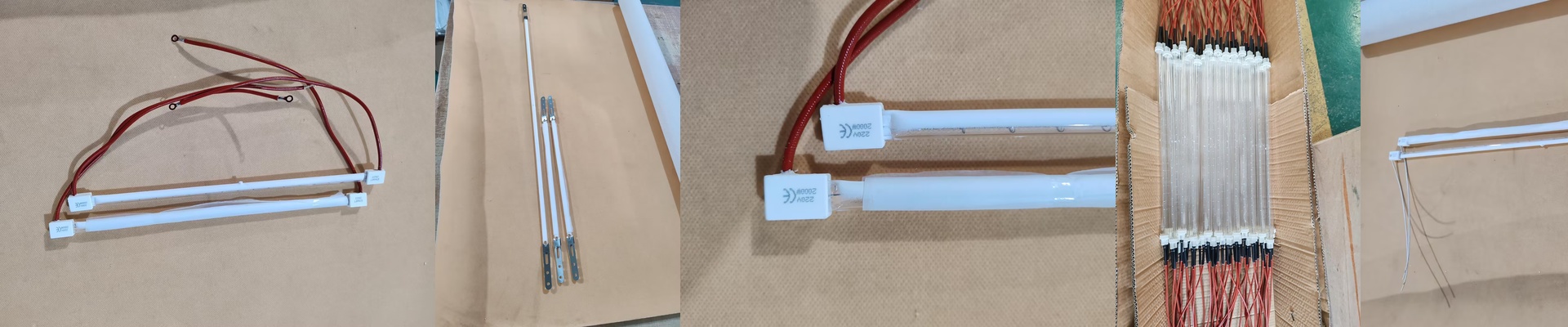
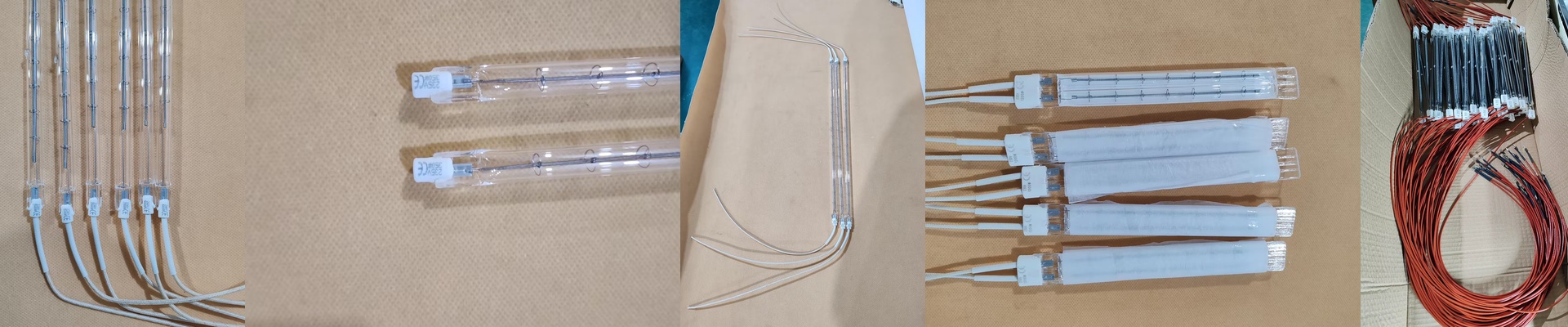
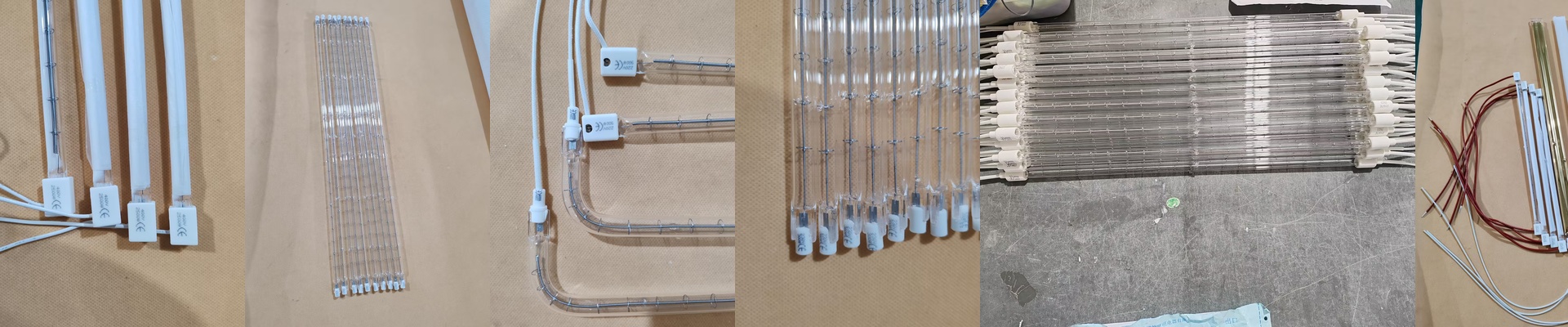
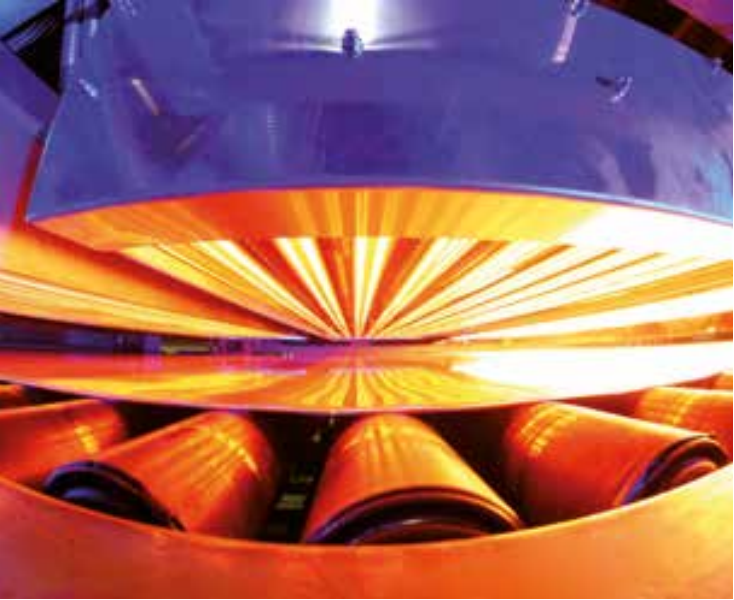
Let’s be honest. A lot of shops keep buying those overpriced, big-name infrared lamps because they’re scared. They worry that if they switch to a domestic alternative, their PET blowing or thermoforming lines will just fall apart. But here’s the thing: that’s mostly just a brand tax. When you actually look at the physics—the wattage, the voltage, the spectral output—the gap is gone. The domestic stuff catches up. The nitty-gritty on specs In plastic processing, it’s all about energy density. You’re probably running 230V or 400V tubes. If you go with high-voltage, you can run longer lamps without worrying about tripping your breakers or having to rip out your wiring for something oversized. Imagine pushing 2500W through a 300mm tube. That is a massive amount of heat packed into a tiny space. It’s intense. Why they actually last We use quartz glass and halogen gas fills. Why? Because it stops the filament from burning out too fast. The halogen cycle basically pushes the tungsten back onto the filament. It keeps the lamp alive even when it’s being hammered by constant thermal cycling. And we don’t mess around with the connections. We stick to the basics like R7s or Sk15. You want a drop-in replacement. The last thing you need is to rewire your entire oven just because you decided to switch lamp brands. Plus, we do coated versions. These shift the wavelength so the heat actually sinks deep into the plastic wall instead of just scorching the surface. One thing to watch out for Switching to domestic lamps is a great way to cut your operating costs. But there’s a catch. High-wattage tubes put out an incredible amount of ambient heat. If you swap your old lamps for higher-output versions,check your cooling fans. If your ventilation can’t handle the extra heat, you might end up melting your own wiring harnesses. And that’s a headache nobody wants.