Making the Switch: Getting Your Infrared Tubes Right
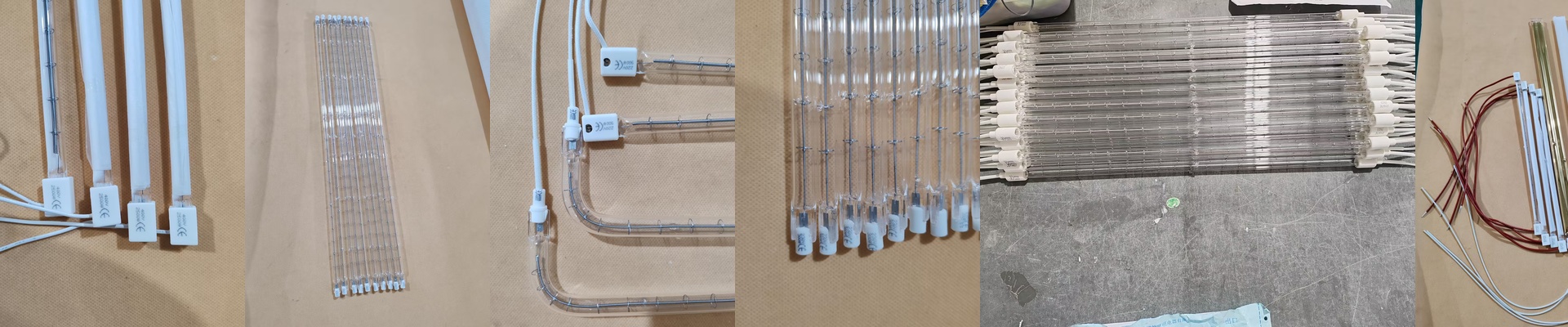
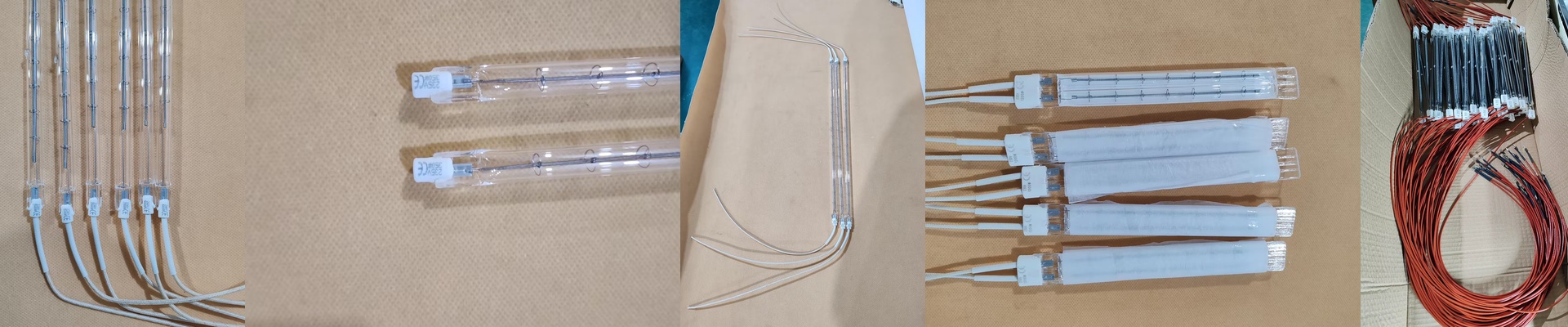
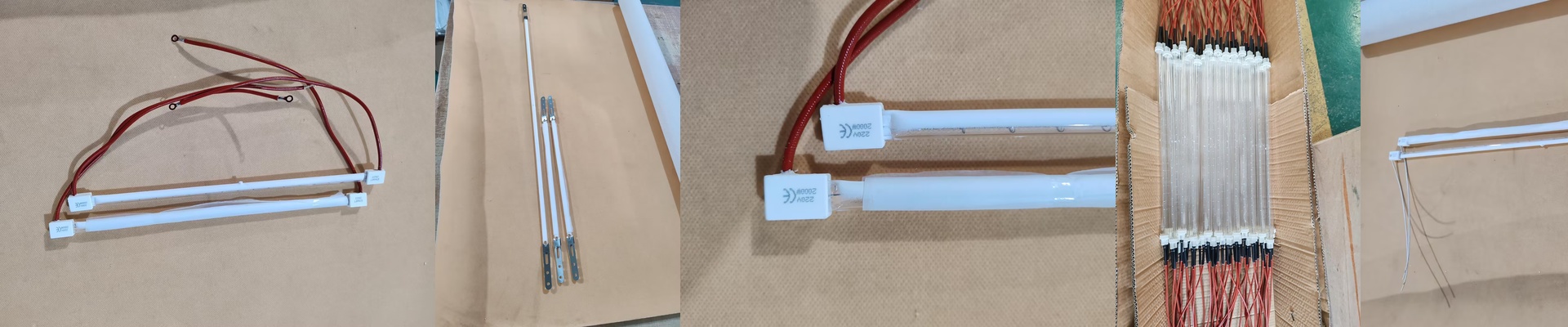
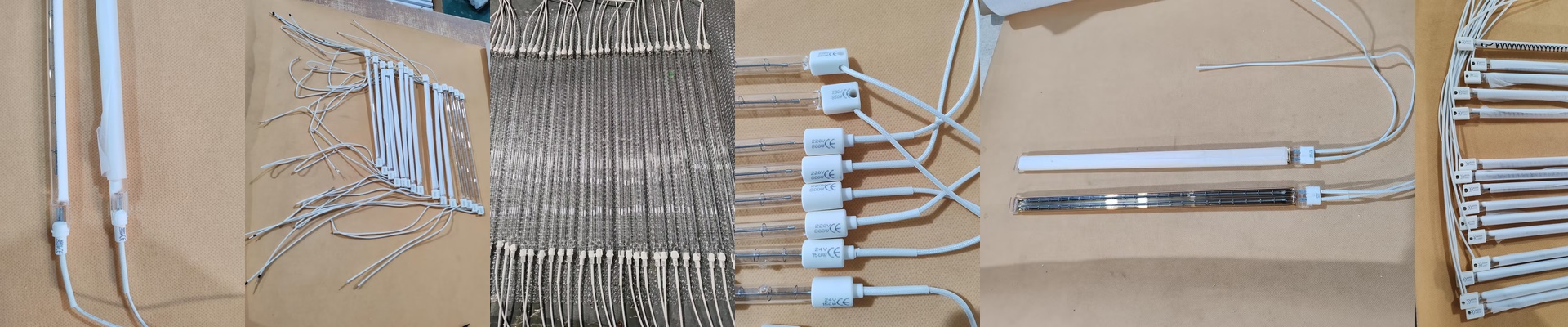
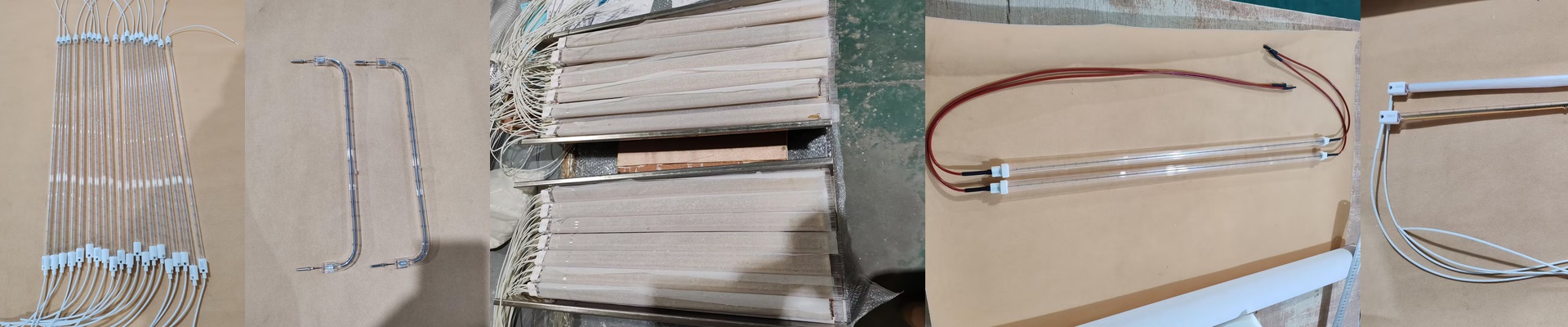
A lot of automotive molding shops are tired of paying the “European brand tax.” They’re starting to look at custom infrared tubes instead. But let’s be honest—when you’re swapping out parts on a production line, you aren’t just hunting for a lower price tag. You’re looking for something that just works. You need a part that drops right in without throwing your cycle times into a tailspin. The heat has to be just right. Here is the tricky part: if you shorten a tube but keep the voltage the same, your heat density spikes. It’s not a subtle change. If the wattage-per-centimeter is off, you’ll end up with nasty hot spots on the mold. Or, even worse, your filaments will burn out way too fast because they’re being pushed too hard. We spend our time calibrating the filament length and diameter so the heat matches exactly what your machine expects. No surprises. Materials and the “hidden” details We use high-purity quartz glass because it can take a beating from thermal shock. For the automotive crowd, we often add specific coatings to the glass. This shifts the emission spectrum, which is a fancy way of saying it pushes the heat deeper into the plastic instead of just scorching the surface. Then there’s the wiring. This is where things usually go sideways. Whether you’re using R7s or SK15 connectors, those contact points have to be tight. Period. A loose connection creates an arc, and an arc kills the tube. We build our connectors to handle the constant vibration of a loud factory floor so they don’t wiggle loose over time. The balancing act: Power vs. Cooling It’s tempting to cram high wattage into a short tube. It gets you a fast ramp-up, which cuts your cycle time and makes the numbers look great. But there’s a catch. That much power creates a massive heat load right around your mounting brackets. If your cooling fans or water jackets aren’t up to the task, the housing gets too hot. Once that happens, your wiring insulation starts to degrade and you’re looking at a short circuit. We’ll give you the raw thermal output data upfront. That way, you can double-check your cooling capacity before you ever install the tubes. It saves a lot of headaches later.