Why the numbers on your heating lamp datasheet are lying to you
When you’re picking out a heating lamp for PET blowing or plastic forming, it’s easy to just look at the wattage and voltage, check the box, and call it a day. But here’s the thing: those numbers only tell you half the story. I’ve seen two lamps with the exact same electrical specs produce completely different results once they actually hit the shop floor. To get it right, you have to look at how the heat actually moves—specifically the rise curve and the uniformity.
Getting the timing right
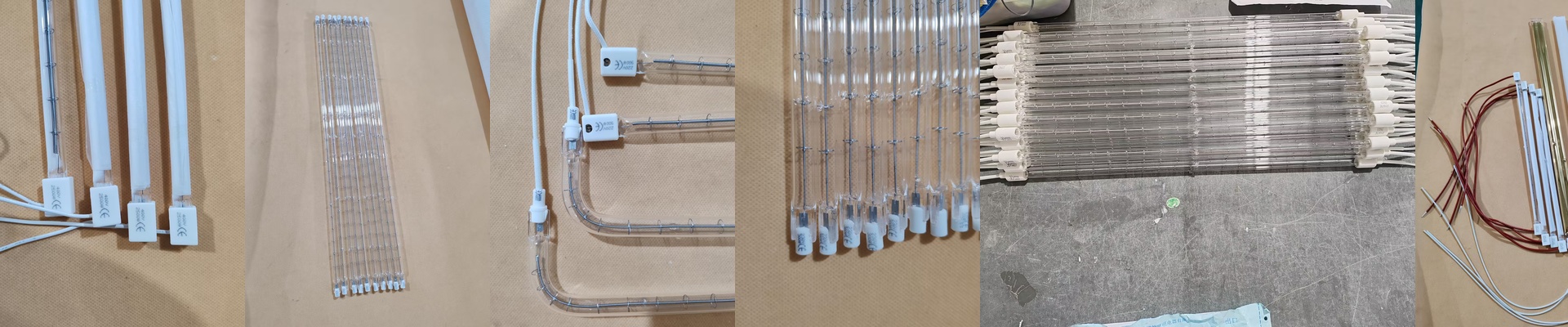
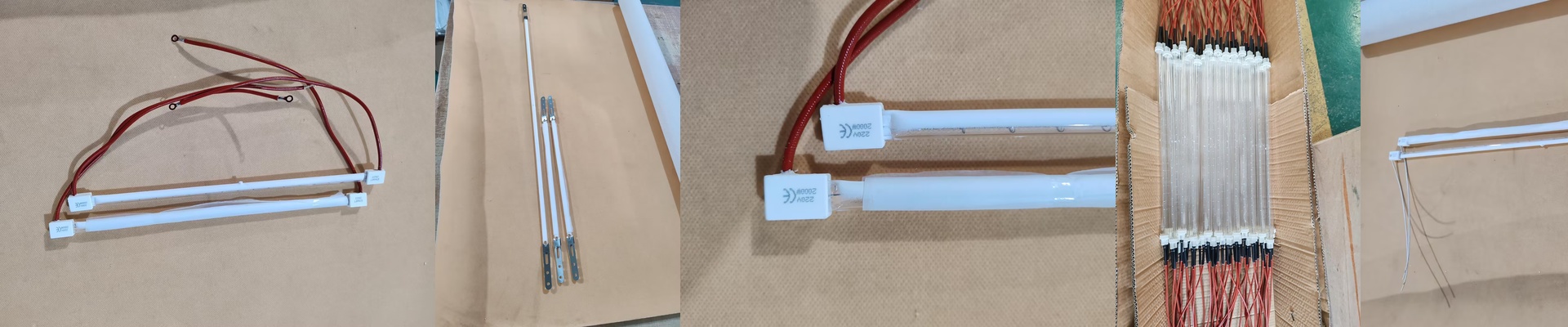
Think of the temperature rise curve as the “speed limit” for your material. You want it to hit that glass transition temperature just right. If it happens too fast? You’re scorching the plastic. If it’s too slow? Your cycle times start to drag, and you’re losing money every minute the machine is idling. We spend a lot of time tweaking our filament density so the heat flux stays steady from the second you flip the switch. It stops those annoying cold spots that leave you with bottles that have uneven walls.
The struggle with “hot spots”
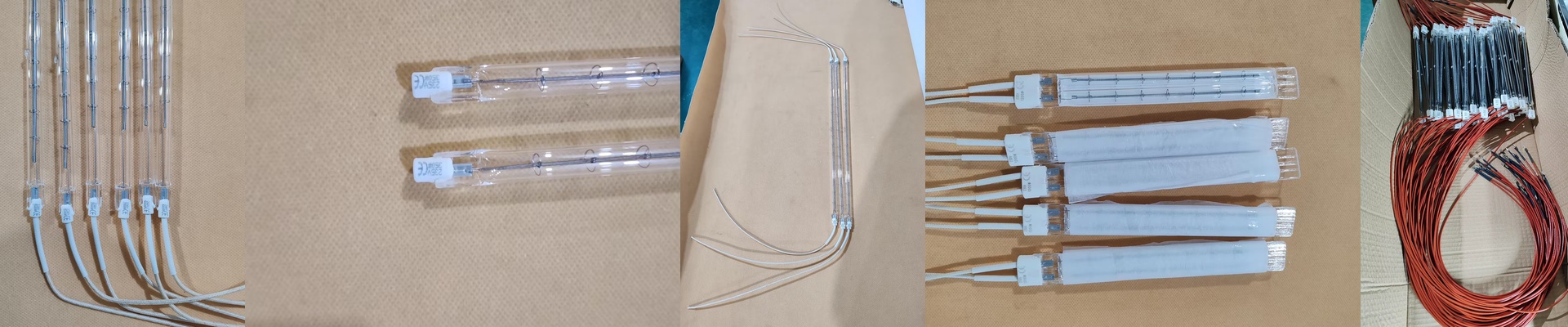
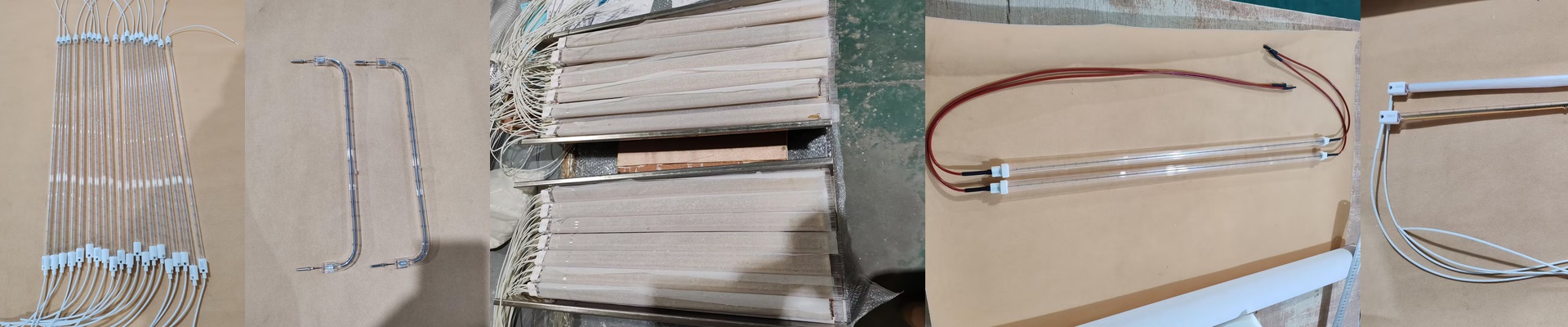
This is where most generic tubes fall apart. In a standard quartz lamp, the heat loves to bunch up in the center, leaving the ends shivering. It’s a mess. We use specific coatings and move the filaments around to flatten that heat out. If you laid our uniformity maps next to a competitor’s, you’d see a much smoother line. No wild swings in temperature from one end of the tube to the other.
The honest trade-off
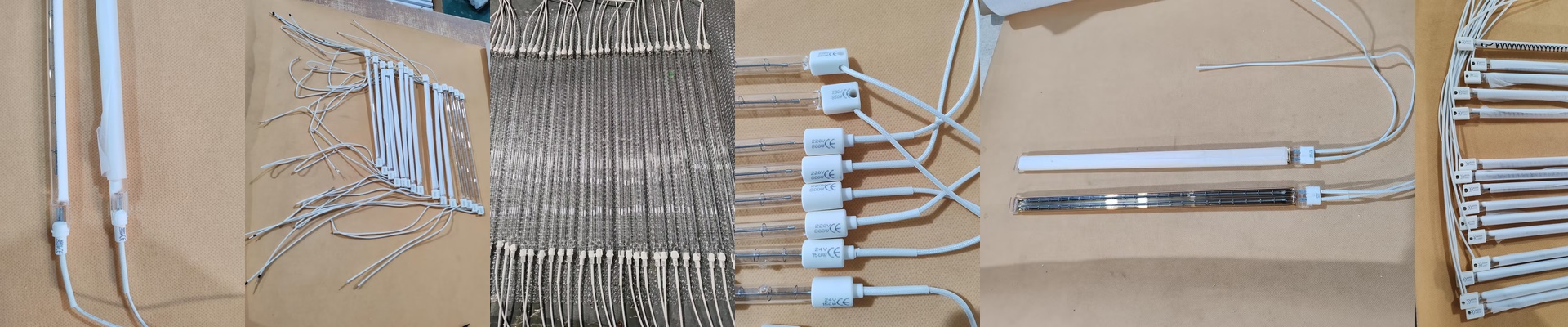
Now, let’s be real. You don’t get a perfectly flat heat profile for free. Usually, when you tune a lamp for extreme uniformity, you might lose a bit of that raw, peak temperature you get from a concentrated-heat tube. It’s a balance. You just have to make sure the lamp actually fits the footprint of your specific machine. If you’re running Henruite lamps right now, why not just test them side-by-side? Pop both lamps in under the same voltage and take a temperature reading at five different points on your preform. The numbers don’t lie. You’ll see exactly where you’re wasting energy or where you’re risking a ruined batch of material.