Thinking about switching your IR suppliers for automotive plastics?
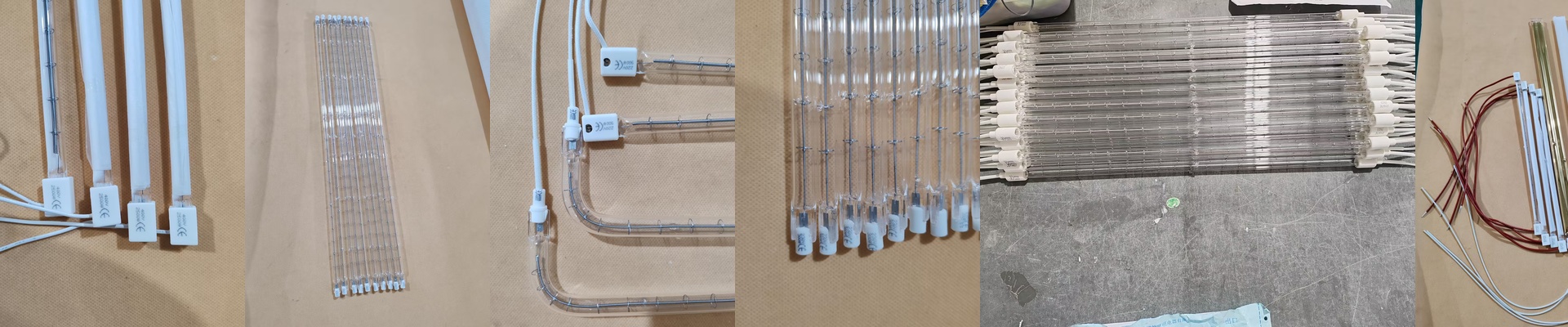
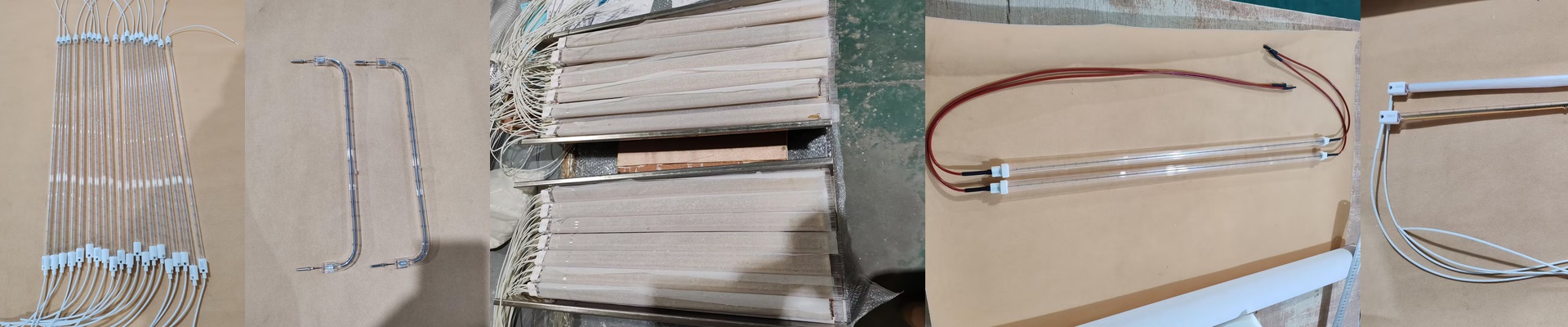
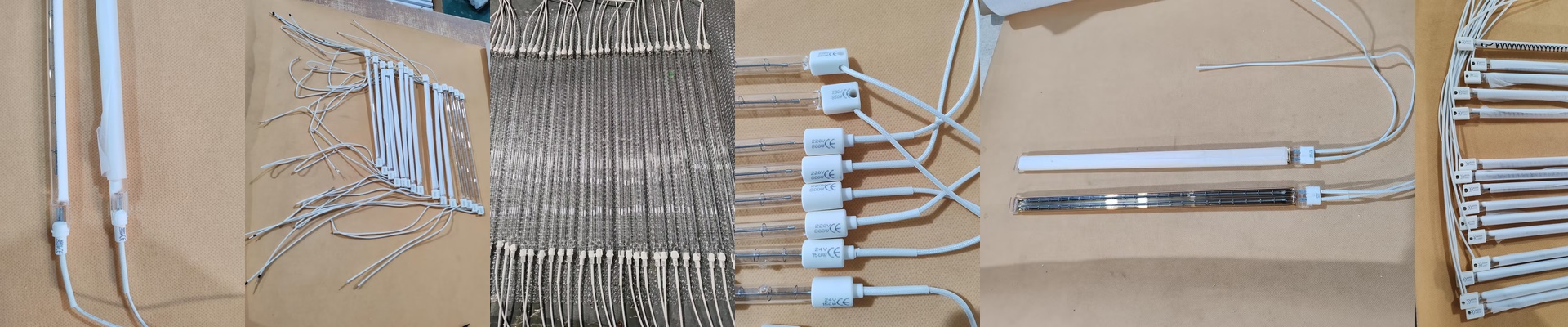
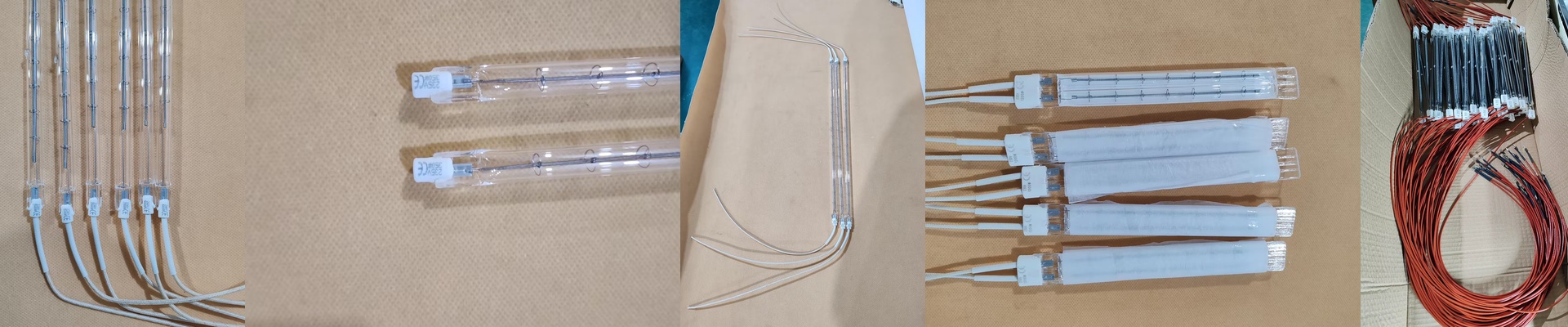
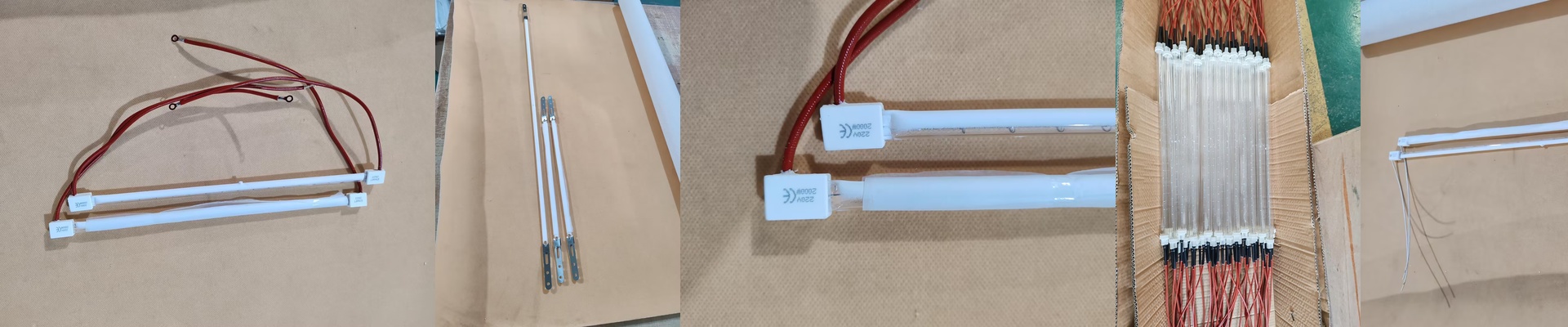
If you’re in automotive injection molding, you know that thermal control is everything. For a long time, most tier-one shops just stuck with European infrared lamps. Why? Because they trusted them. They knew exactly how the heat would behave, and in this business, predictability is the only thing that keeps you sane. But things are changing. A lot of engineers are starting to look at domestic “drop-in” replacements. The goal is simple: cut costs without ending up with warped parts or a line that’s lagging behind schedule. Here’s the thing about trust. You can’t get it from a glossy brochure. You get it from the specs. When you swap out a European heater, you aren’t just looking for something that glows orange. You need the wattage and voltage to hit your existing power rails perfectly. If you’re running a 230V system and you drop in a lamp with even a tiny variance in resistance, your melt temperature will start to drift. That’s a nightmare. We spend our time matching the spectral output—whether it’s shortwave or medium-wave—so the plastic drinks in the heat at the exact same rate it did before. The “Fit” Factor This is where most replacements go south. The physical interface has to be spot on. We use standard R7s or SK15 connectors because nobody wants to rewire an entire rack just to change a bulb. If the footprint is off by even two millimeters, the lamp won’t seat right. And when it doesn’t seat, you get arcing. Not a good sound, and definitely not a good look. To keep things running cool where they should be, we use quartz glass with specific coatings. It pushes the heat forward into the mold and keeps the back of the heater block from getting toasted. The honest trade-off Going domestic usually means a lower price tag. That’s the win. But you’ve got to keep an eye on the lifespan. A cheaper lamp might hit your target temperature today, but it might burn out 15% faster than those premium European brands. It’s not a deal-breaker, but it means you’ll need to tweak your maintenance schedule. Swap them a bit more often, and you’ll avoid that heart-sink moment when the line goes down unexpectedly.