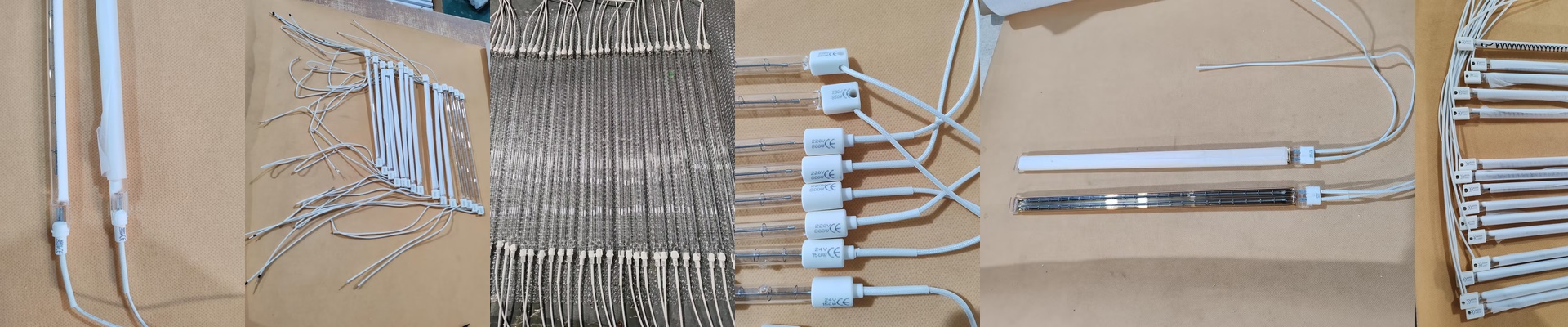
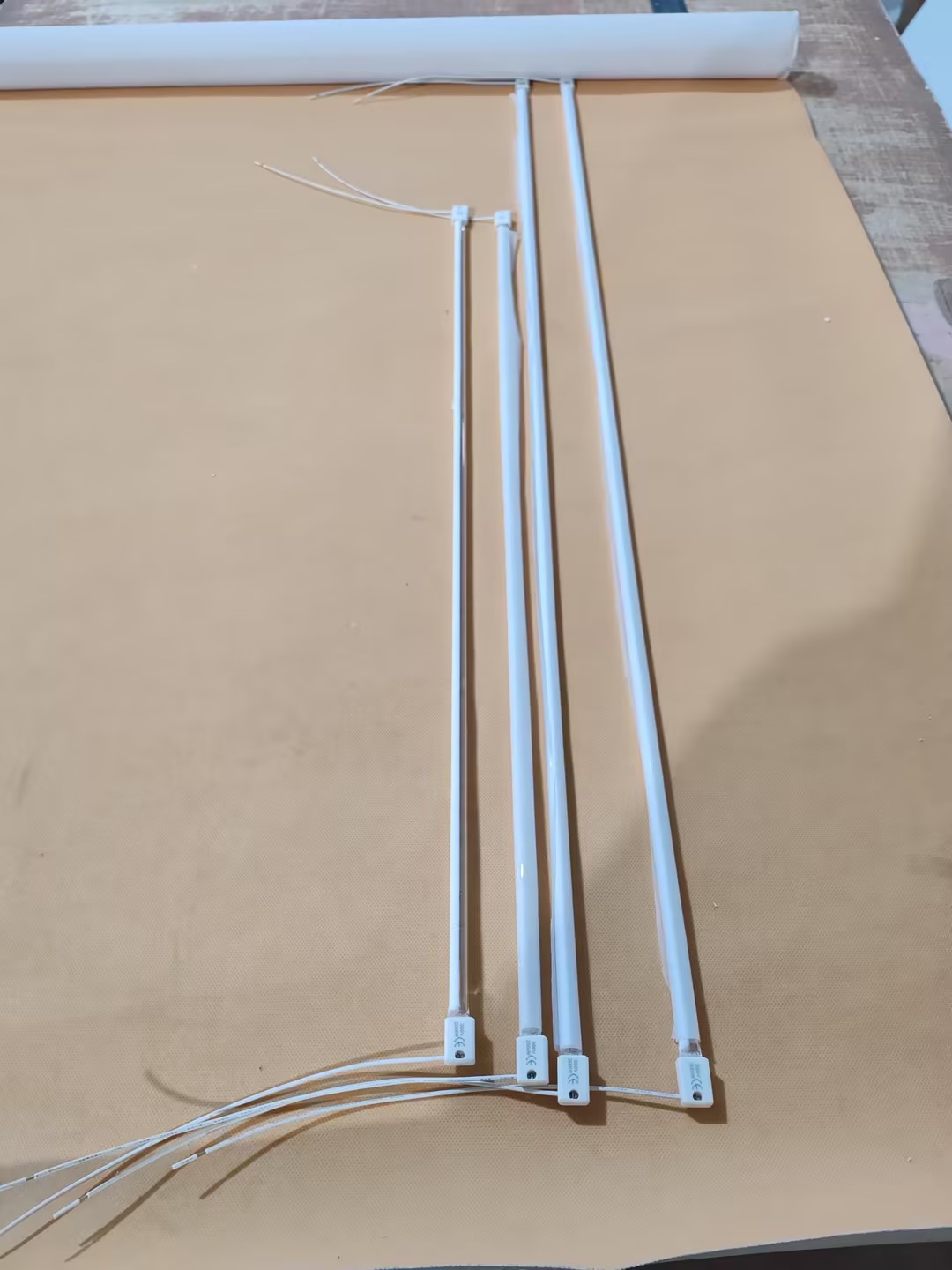
Halogen Lamp Replacement Parts for PET Blowing Machines
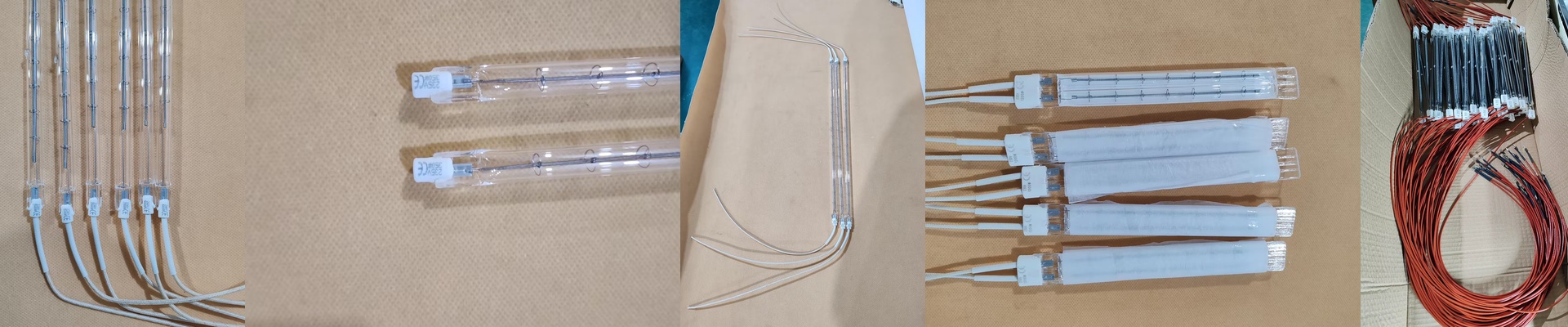
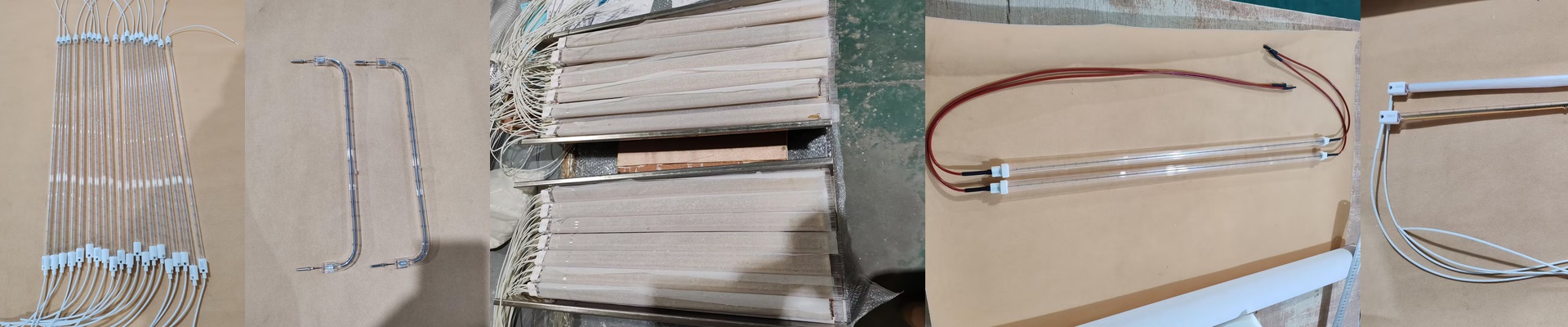
We built these halogen lamps as direct, drop-in replacements for PET blowing machines. Their whole job? Delivering intense, focused heat to pre-heat those PET preforms. When your line needs steady heat to keep moving, these lamps are spec’d to deliver exactly that.
Power, Voltage, and Size—The Practical Details
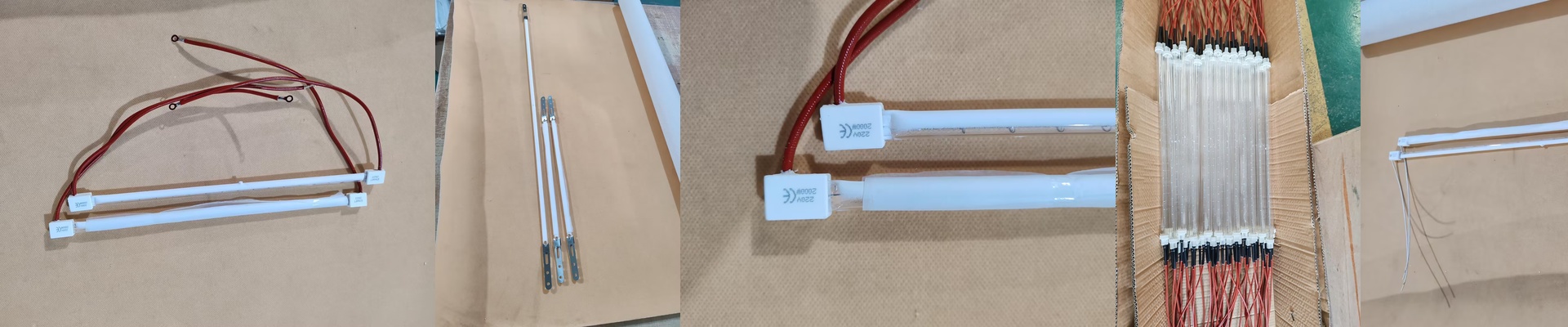
Most units run at 400V and hit 2500W. That wattage is what it takes to hit the temperatures needed for PET stretching—quick heat-up, then a stable hold. The 300mm tube length fits the common heating zone footprint, hitting the right window without making the assembly bulky. Here’s the thing: 400V, 2500W, and 300mm aren’t random. They’re a careful balance. High power in a compact size gives you fast response, but it also means more heat around the parts nearby. So plan your cooling and thermal shielding with that in mind.
What’s Inside: Halogen, Quartz, Coating, and Connectors
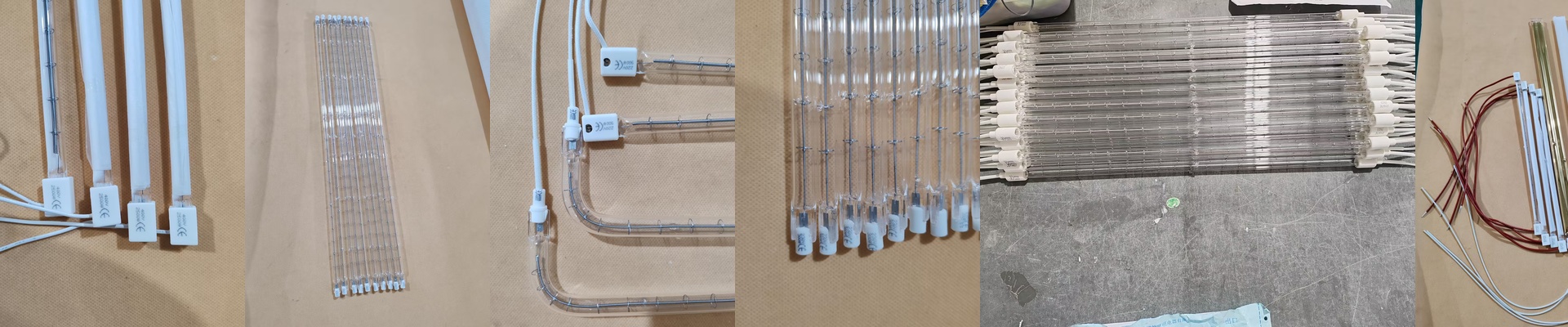
Inside, the lamp runs on a halogen cycle within a quartz envelope. Quartz can take the heat, and it stays clear enough to transfer radiant heat efficiently. The halogen fill keeps the filament from blackening, so the output stays steady over the lamp’s life. A reflective coating on the tube pushes the energy forward. That means more usable heat hits the preform, and less gets wasted out the back. And the connector? The R7s is the standard bi-pin fit for this class of lamp, so the swap is straightforward. If your machine’s socket layout needs a different mount, we also offer Sk15 options.
How It Works on the PET Blowing Line
On a PET blowing line, the heating zone is tight—space is precious. The 300mm length and R7s/Sk15 compatibility let you wire it in without tweaking brackets or reworking the electrical path. High heat density keeps heating cycles fast and repeatable, which helps keep bottle quality consistent. The coating and quartz design keep the heat where it matters, which takes pressure off nearby sensors and insulation. One real-world note: at 2500W, your power supply and terminal connections need to be rated for the load. Treat these lamps like the high-output heating element they are—not just another bulb—and your blowing line will run reliably.