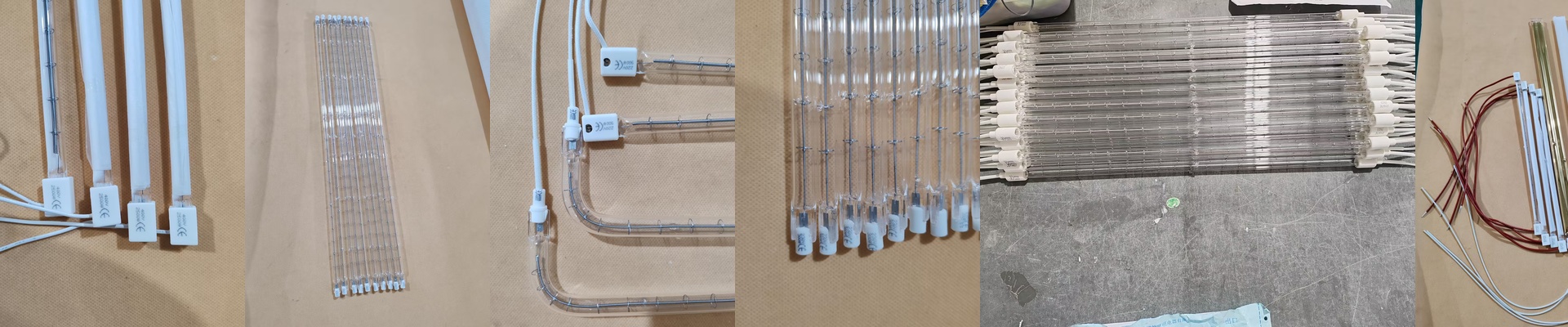
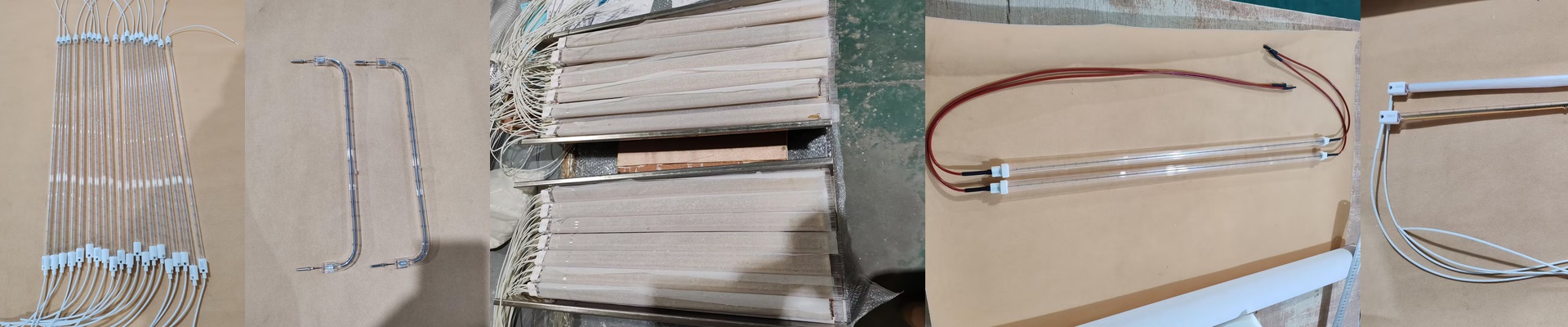
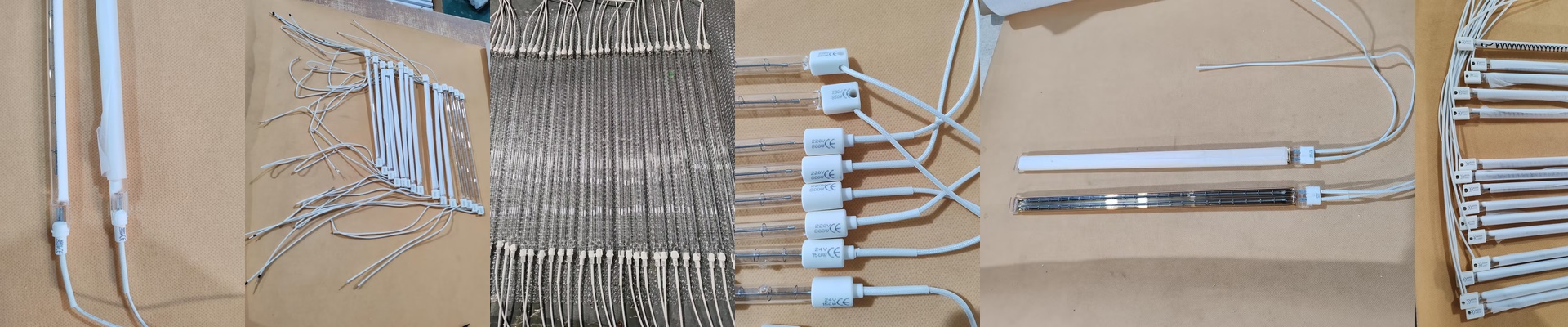
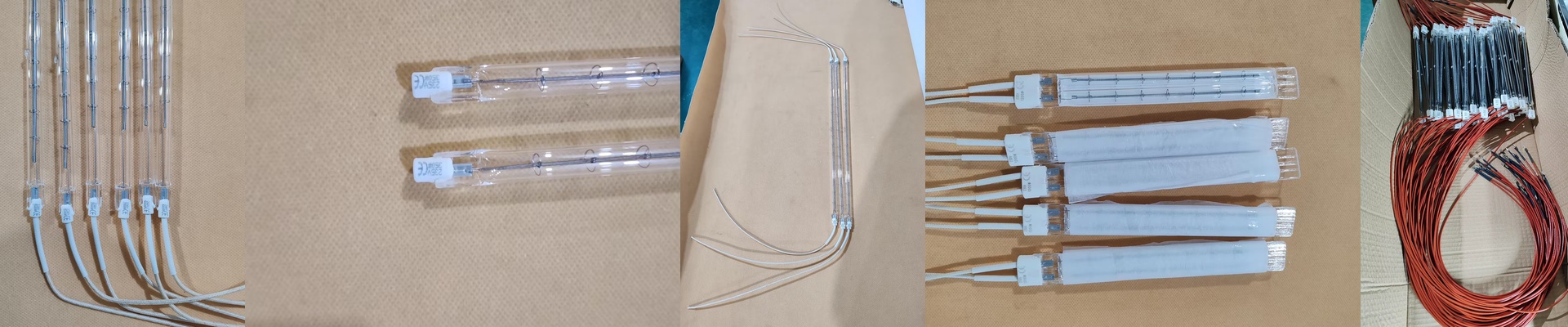
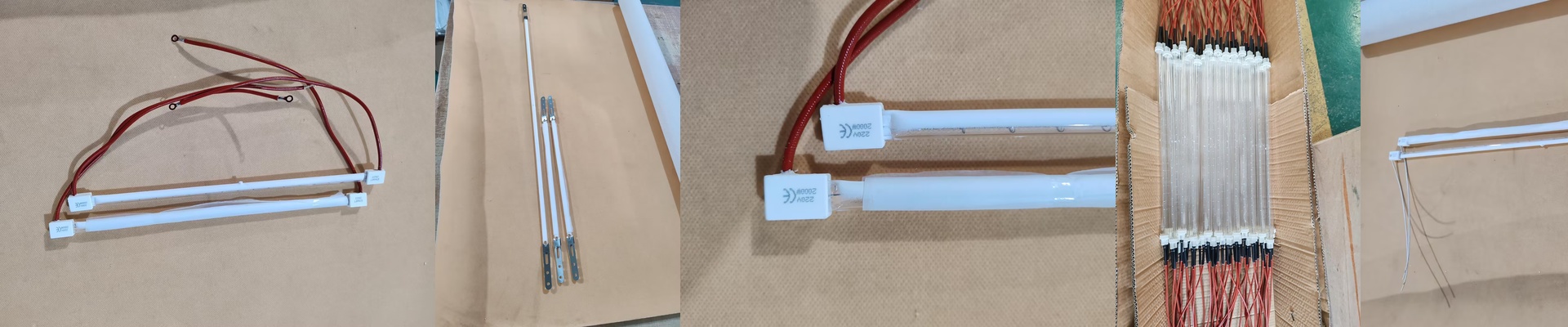
Let’s Talk Industrial Halogen Heating Lamps
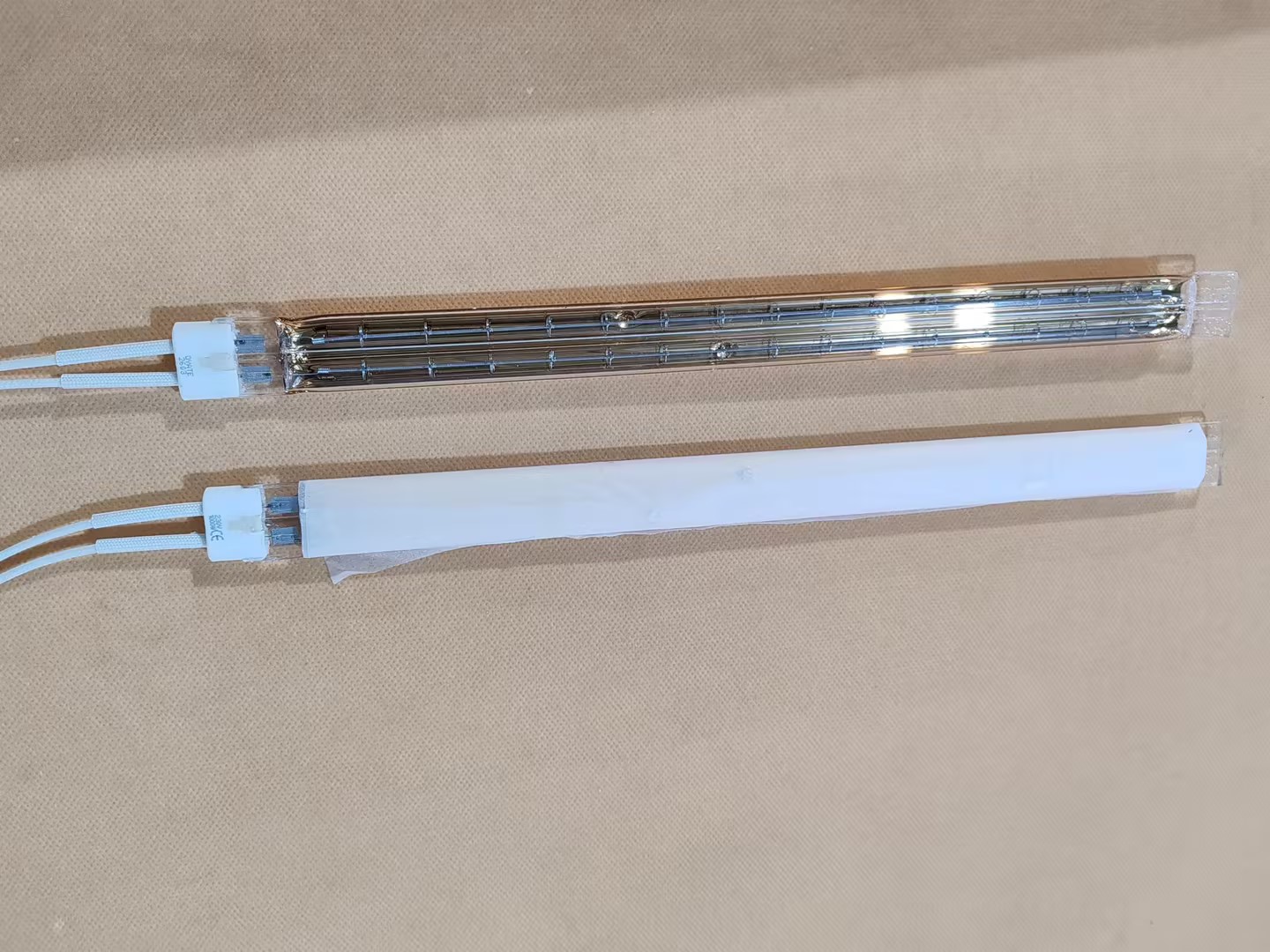
If you need to get a workpiece hot—and you need it to happen now—halogen lamps are your best bet. Think of them as high-intensity infrared sources. Instead of waiting for a resistive heater to slowly warm up the air around it, these lamps shoot electromagnetic radiation straight into the material. It’s fast. Really fast. Getting the power right When we’re picking out a lamp, it usually comes down to wattage and voltage. You want them to play nice with the power rails you already have in your shop. Here’s the thing: if you’re using a longer tube—something in the 300mm to 500mm range—you have to be careful with the voltage. If it’s not balanced, you’ll end up frying the ends of the filament. And for heaven’s sake, keep your power supply stable. Voltage spikes are the fastest way to kill a lamp. The build and the “hidden” details The heating element lives inside a quartz envelope. Depending on what you’re working with—plastics or metals—we might add a coating to the tube. This shifts the heat from shortwave to medium-wave so it hits the material just right. Then there are the connectors, like the R7s or Sk15. They seem simple, but they’re critical. A loose connection isn’t just a nuisance; it creates a hot spot. If you aren’t careful, you’ll see the socket start to melt or, worse, you’ll get an arc. Not a great way to start the morning. Real-world use (and where things go wrong) You’ll see these all over the place—PET blowing machines, curing lines, drying tunnels. They’re perfect for softening polymers in a matter of seconds. But there’s a catch. Because these lamps pump out so much heat, your reflectors have to stay spotless. If dust or oxidation builds up, your efficiency tanks. The lamps have to work harder and run hotter just to do the same job. Plus, keep an eye on your cooling fans. If they quit, the ambient heat will climb quickly and trip your thermal cut-offs, bringing your whole line to a grinding halt.