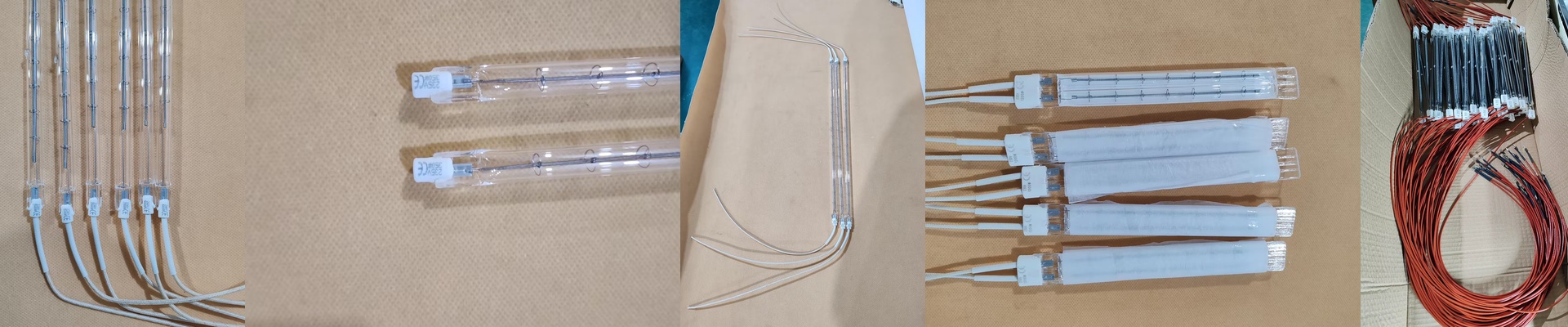
Let’s Talk About Double Envelope Halogen Lamps
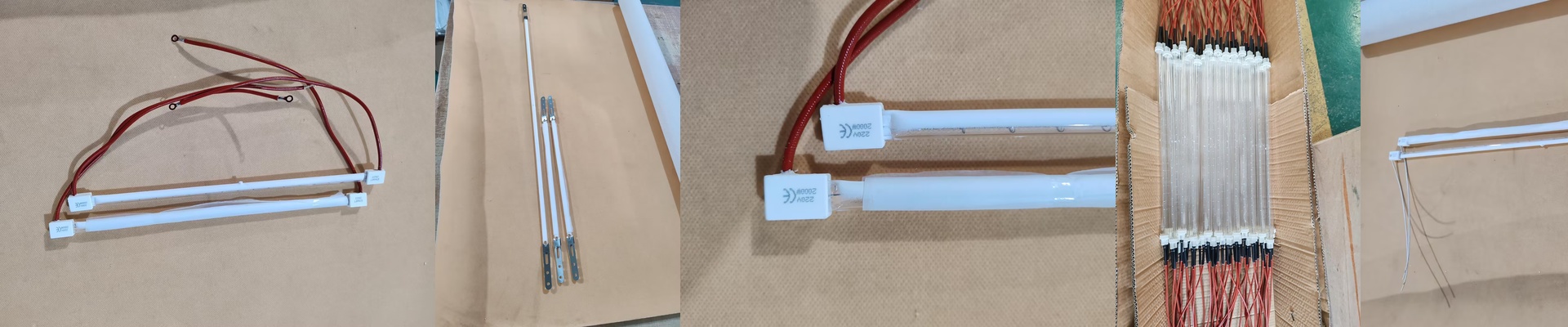
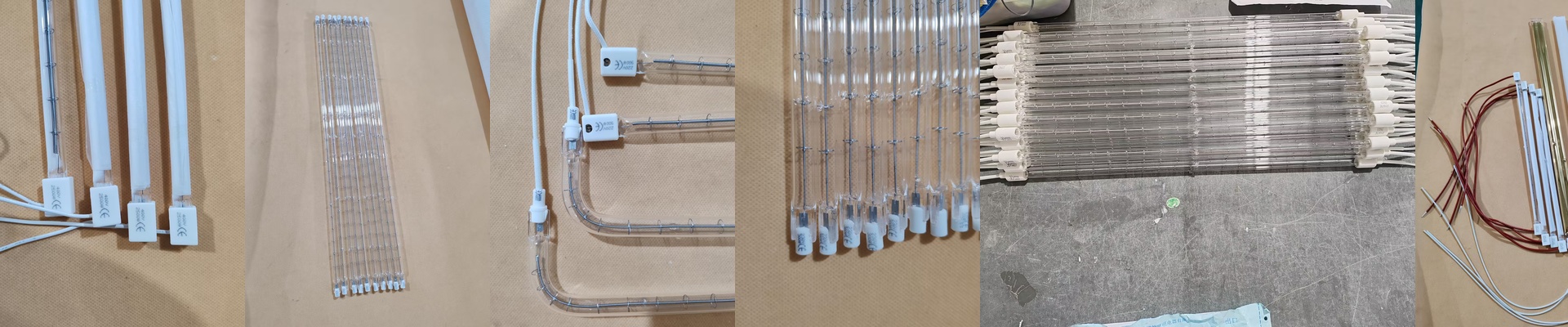
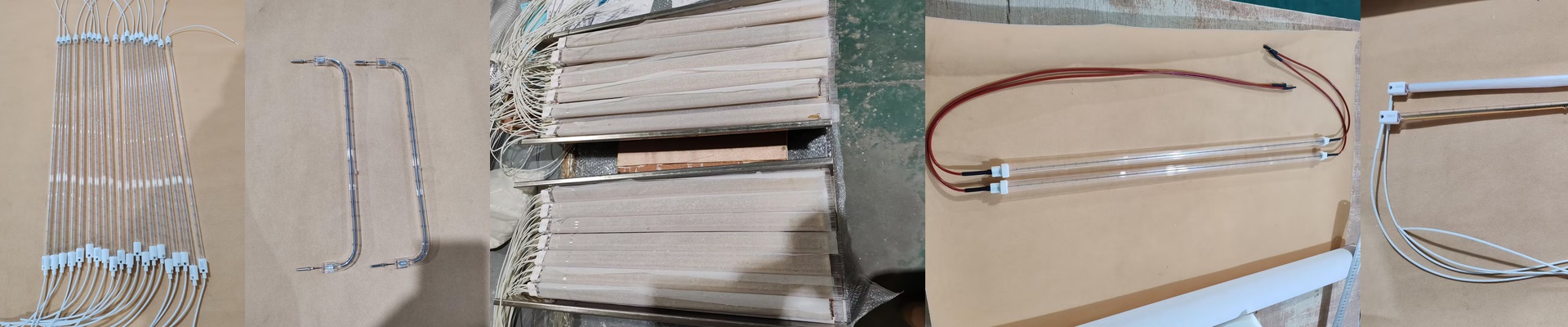
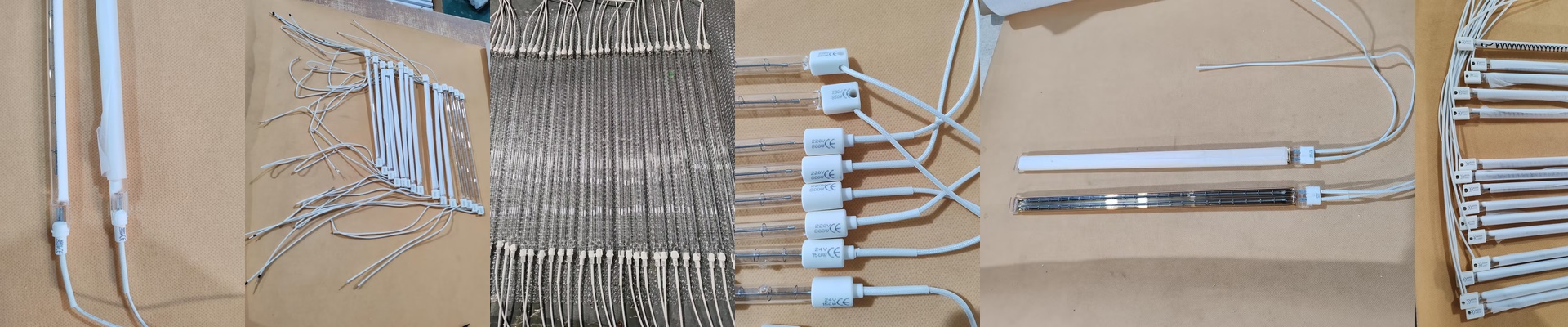
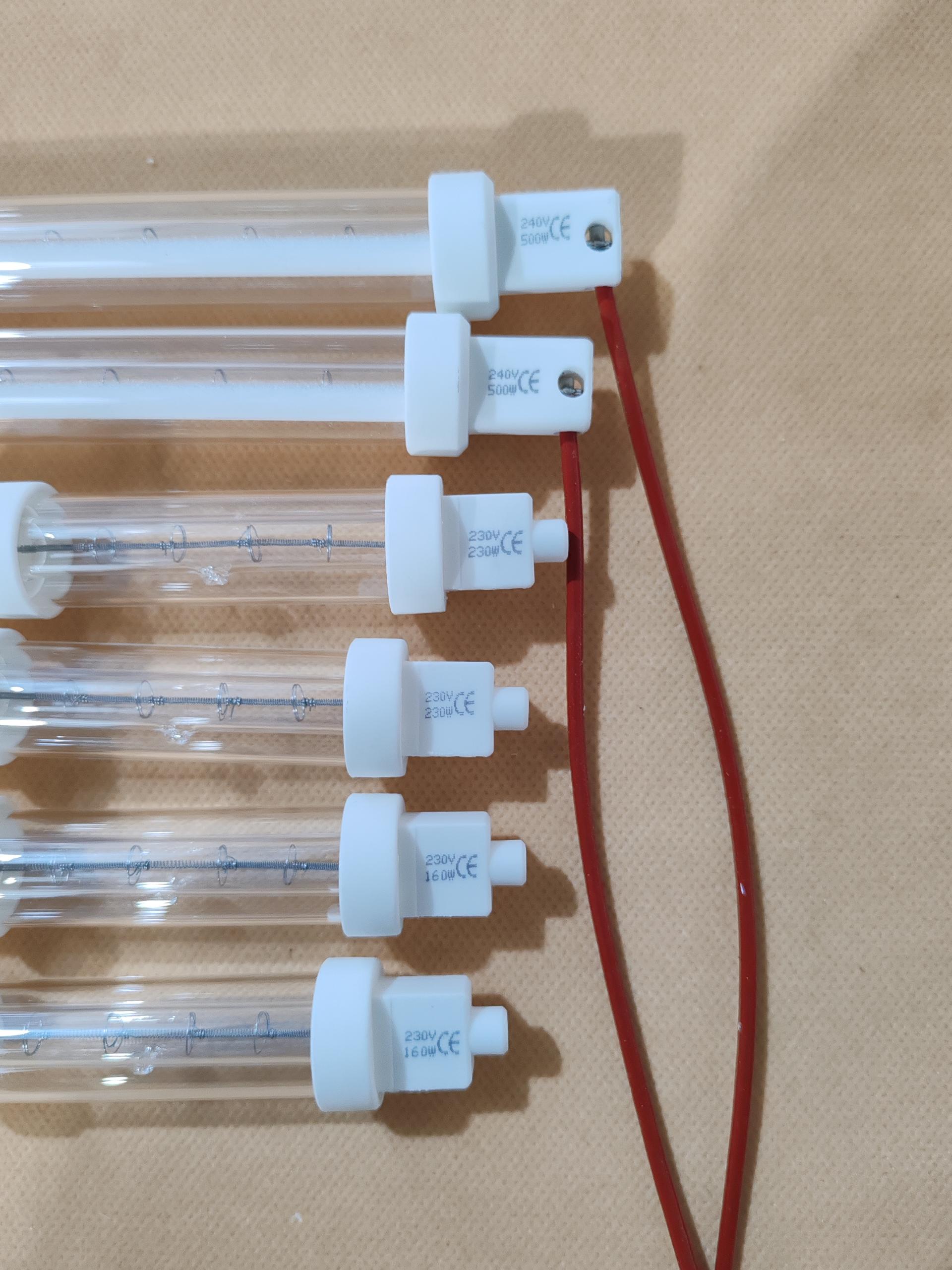
Ever wonder why some halogen lamps have that “tube within a tube” look? It’s not just for show. That double quartz design is basically a thermal shield. It lets us cram a ton of wattage into a tiny space without the filament just giving up the ghost the second a little dust hits it. The Heat Factor When you’re picking these out, the relationship between voltage and wattage is where things get interesting. If you go with a high-voltage setup, you can push more power through the filament without overloading your power supply. The payoff? It heats up fast. Really fast. You get a concentrated blast of infrared light that gets your project moving quickly. But here’s the catch: that kind of heat density is hard on your reflectors. If your reflectors are dirty or pitted, you’ll get these annoying hot spots. If you aren’t careful, those spots can actually warp the outer quartz shell. Keep them clean. Quartz and Connections We stick with high-purity quartz for both layers because it lets the IR light pass through without getting blocked. Plus, the halogen cycle does the dirty work for you, cleaning the inside of the tube so the tungsten doesn’t turn everything black. As for the plugs, we usually go with R7s or Sk15 connectors. They’re standard, so they should slide right into most industrial heating banks. They lock in tight, too. That’s important because the last thing you want is a lamp vibrating loose while your machines are screaming along at full speed. Real-World Use (and the Trade-offs) If you’re doing PET blowing or curing plastics, these are your best friend. They give you a steady, linear heat that doesn’t fluctuate. And because of that outer shell, they can take a beating in a dusty factory way better than a single-tube lamp ever could. Now, there is a trade-off. That second layer of quartz acts as a bit of a barrier, so you lose a tiny bit of that raw, peak intensity. It’s not a dealbreaker, though. You just have to tweak your dwell times or nudge the lamps a bit closer to the workpiece to get that penetration back. Simple fix.