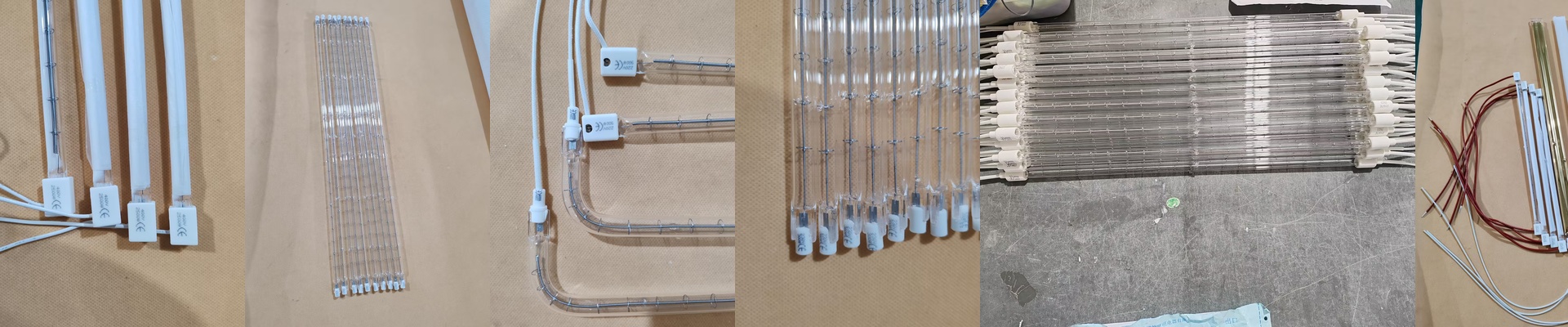
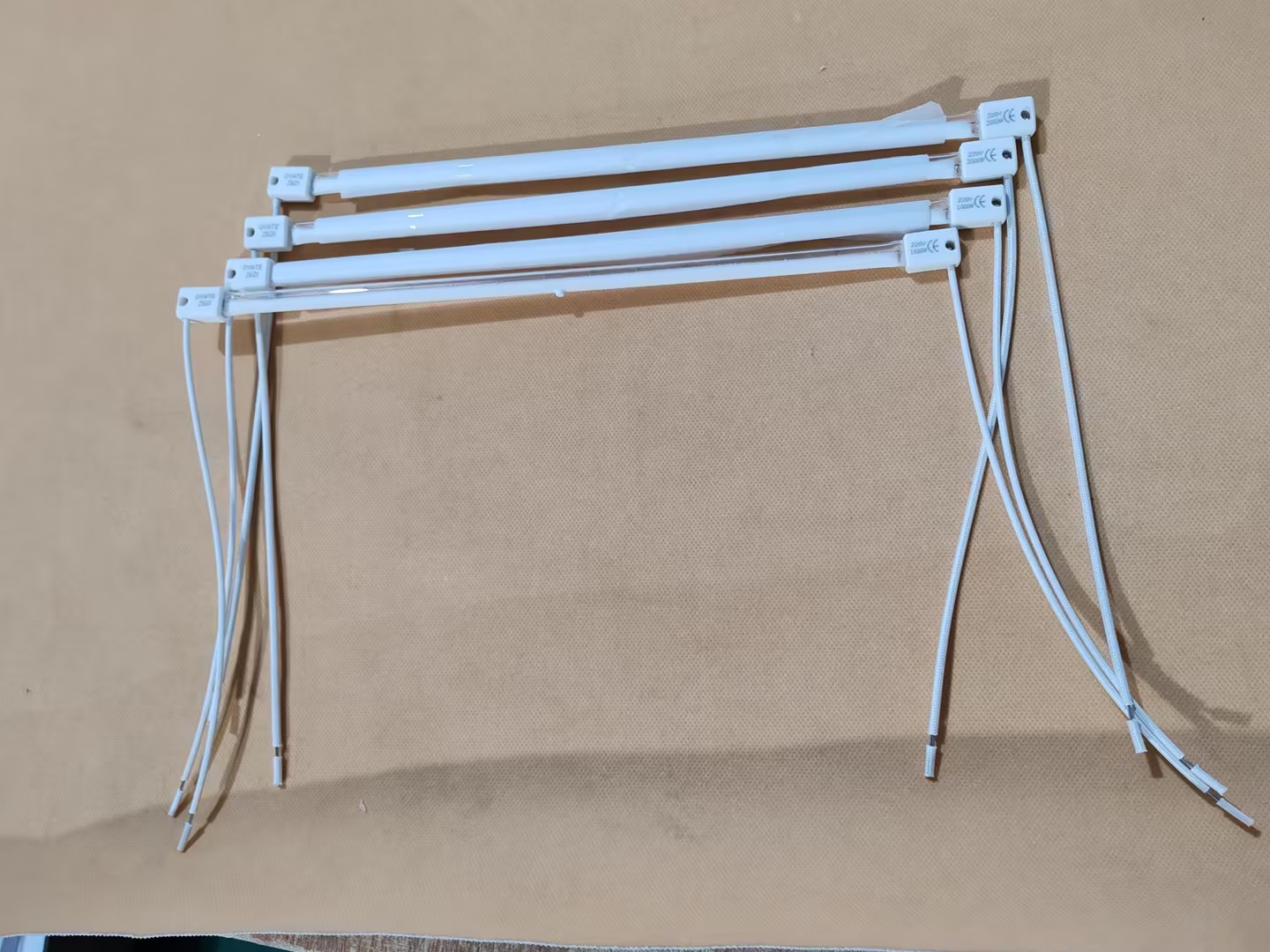
The Real Deal on Shortwave Halogen Tubes for Industrial Drying
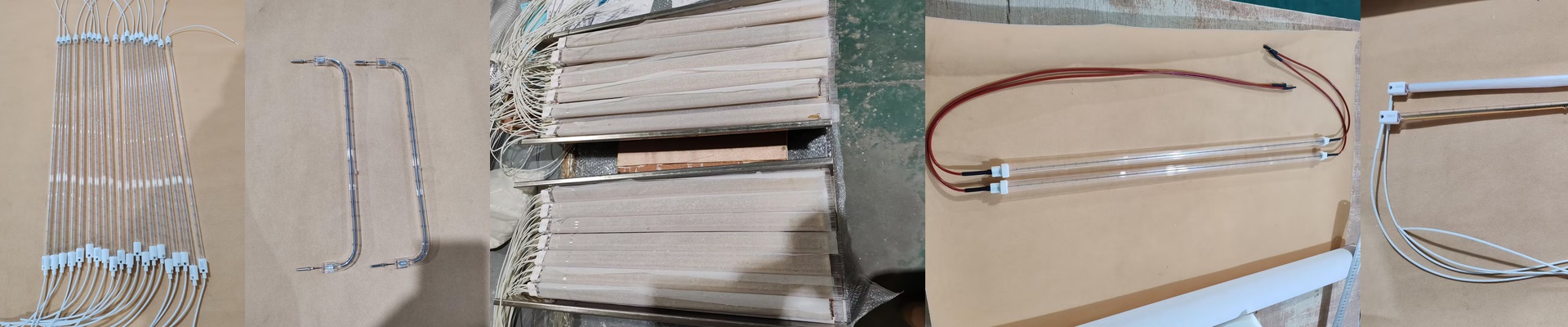
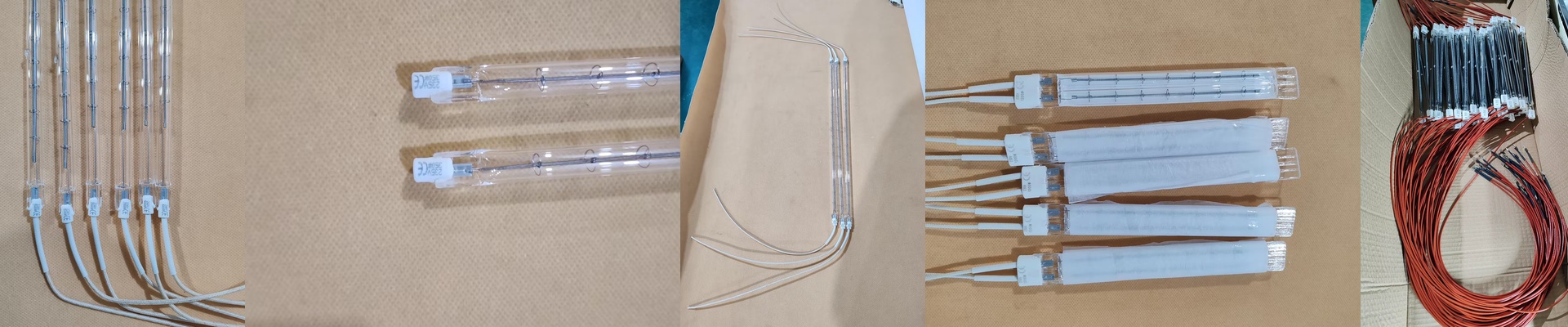
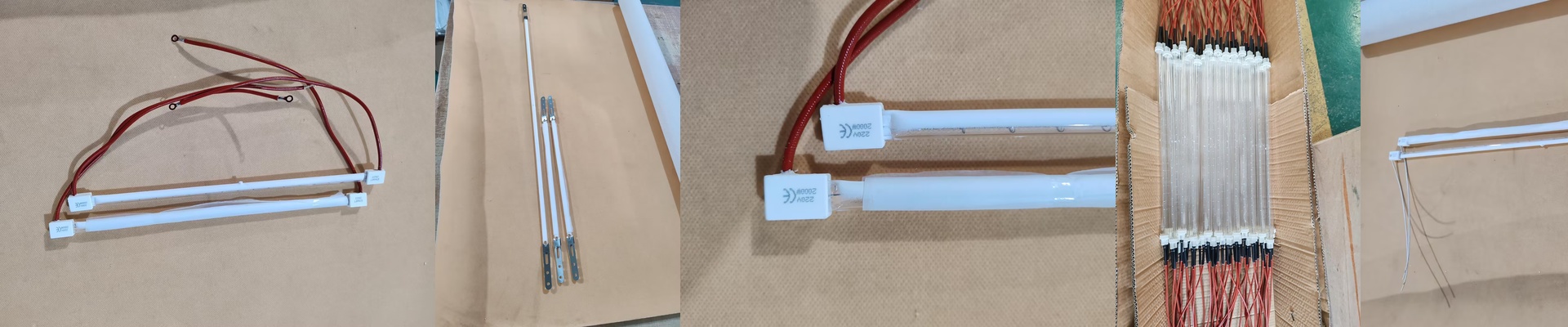
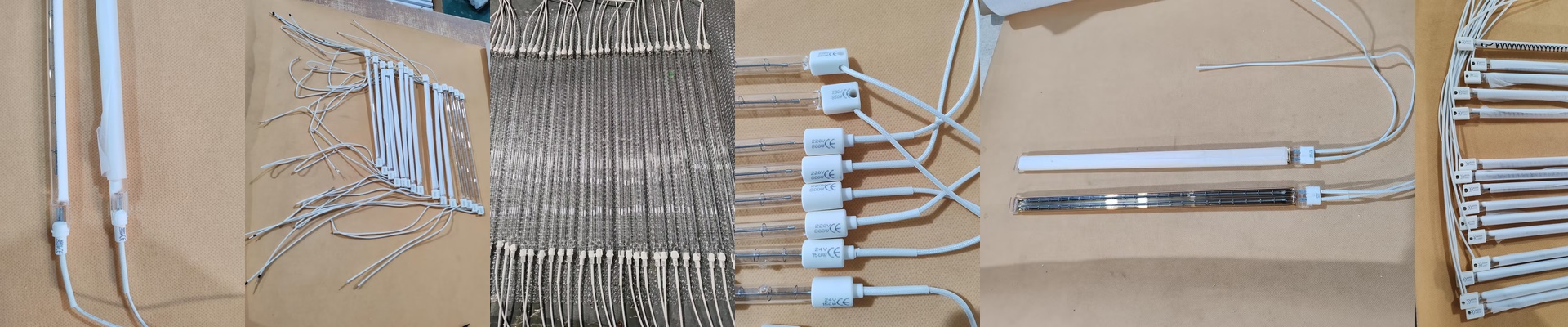
Ever wonder why some drying lines just work while others leave you fighting with wet spots? It usually comes down to the lamps. We use tungsten filaments tucked inside quartz envelopes, then press them with a halogen gas mix. It sounds technical, but here’s the result: the filament gets way hotter than your average IR lamp. This pushes the heat into the “shortwave” spectrum. For you, that means the heat hits harder, penetrates deeper, and the lamps warm up almost instantly. Dealing with Power and Heat We design these things to pack a ton of wattage into a tiny space. Now, if you go with higher voltages, you can keep the current draw lower. That’s a win because it means your wiring doesn’t have to be massive or clunky. But there’s a catch. When you’re dealing with that much thermal energy in such a small area, things get intense.**Keep your reflectors spotless.**If they’re dirty, the heat bounces back into the quartz instead of onto your product. That’s a one-way ticket to a blown tube. The Build Quality The quartz envelope is the secret sauce. It lets that shortwave radiation fly right through without soaking up the heat itself. To make your life easier, we stick to standard connectors like R7s or Sk15. They’re simple drop-in replacements. No fuss, no weird adapters—just a tight fit that stops any nasty electrical arcing at the terminals. Some of our tubes even come with special coatings to push the heat exactly where you need it or filter out the wavelengths you don’t. Actually Using Them on the Floor These are perfect for when you need to flash-dry a coating or cure an adhesive in a heartbeat. Because the energy penetrates so deep, you don’t have to worry about “skinning.” You know that annoying thing where the top layer looks dry, but the bottom is still a gooey mess? This stops that from happening. It’s why you’ll see these in automotive paint lines or PET blowing. Just a heads-up: because these lamps are so powerful, you’ve got to get your conveyor speed exactly right. If a part lingers under the lamp for too long, you aren’t drying it anymore—you’re burning it.