Switching Your Quartz Heaters: Why Domestic is Finally Winning
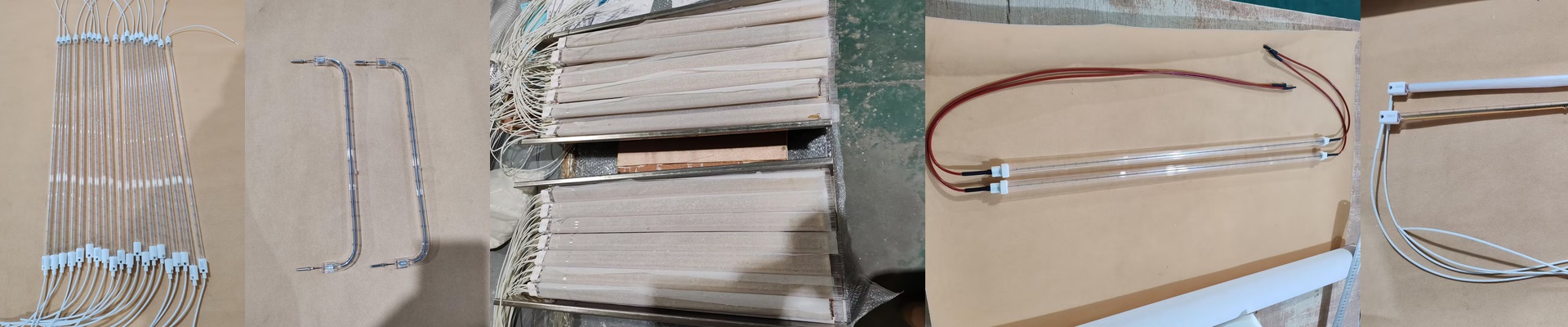
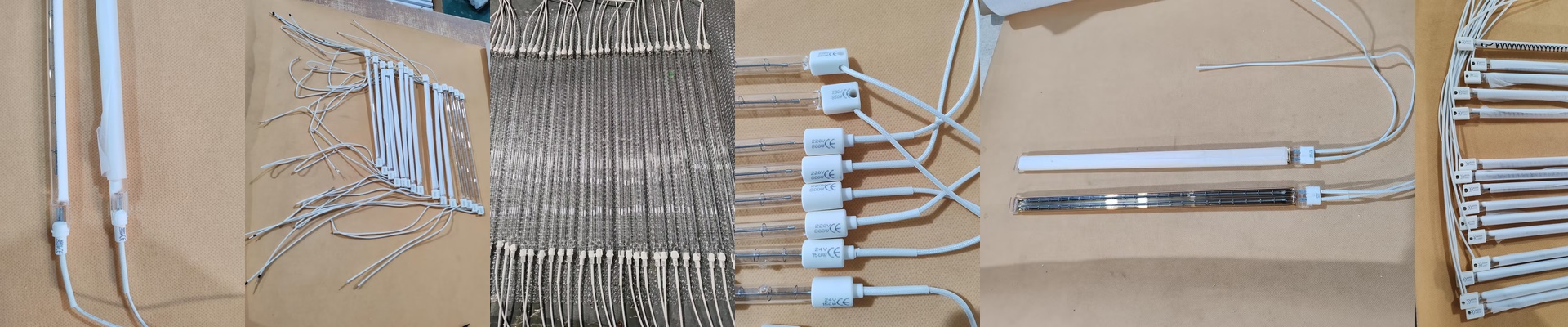
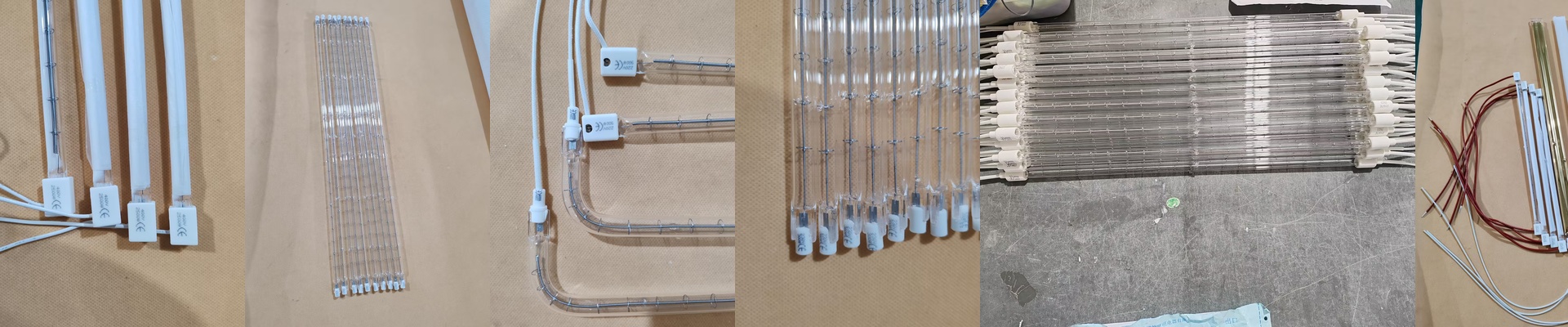
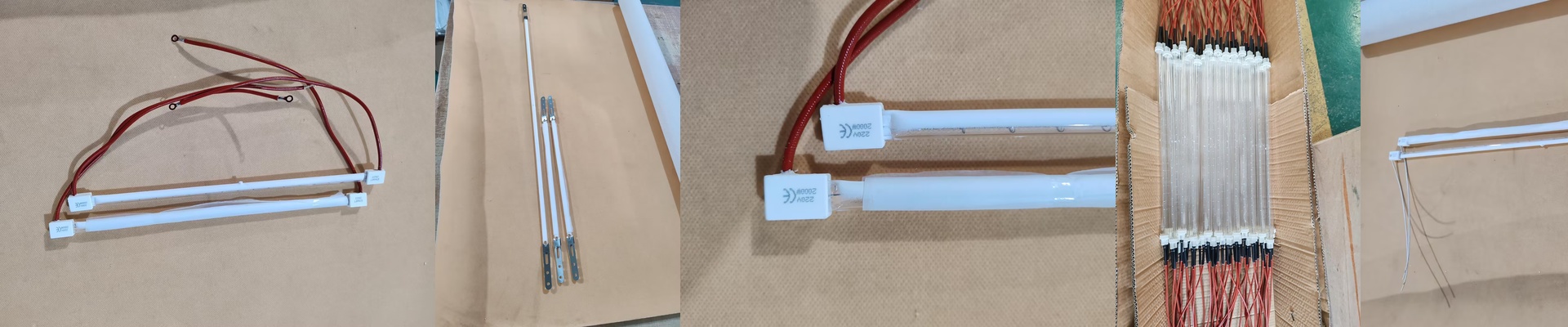
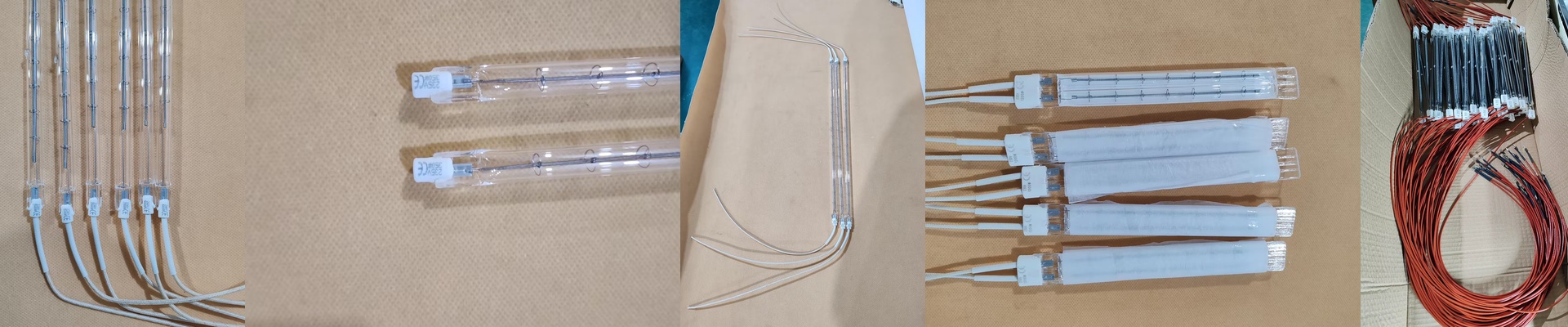
I’ve been noticing a pattern lately with the tier-1 guys in automotive injection molding. They’re starting to ditch those pricey European heater brands and move toward domestic quartz alternatives. And look, it’s not just about pinching pennies. It’s about finding something that actually does the job without the “luxury” markup. The nitty-gritty of the switch Here’s the thing: you can’t just throw any tube in there. If your wattage and voltage are even slightly off, your whole cycle drifts. It’s frustrating. You’re chasing your tail trying to get the timing back. That’s why we obsess over the filament density. We use high-purity quartz and tungsten filaments so the heat hits the mold surface the second you flip the switch. It needs to be instant. Fitment (where things usually go wrong) Nothing kills a project faster than a connector that doesn’t quite fit. Whether you’re dealing with R7s or SK15 bases, those tolerances have to be spot on. A loose connection isn’t just a nuisance—it’ll fry your socket. We also use heavy-wall quartz. Why? Because thin tubes bow when they get hot. Plus, depending on your setup, we can add a specific coating. This stops the heat from just scorching the surface of the plastic and actually pushes it deeper into the material. The honest truth about trade-offs Can domestic tubes last 10,000 hours like the big European names? Yeah, they can. But you have to be careful. High-wattage tubes put out a massive amount of heat. If your cooling fans are clogged with dust or just plain old, your wiring is going to melt. You can’t just drop in a high-power tube and hope for the best—you’ve got to check your thermal shielding first. We design these to be simple drop-in replacements. You wire them up, tweak your PID controller, and you’re back in business. You get the exact same performance, just without the European price tag.