Getting the Most Out of Your Industrial IR Heaters
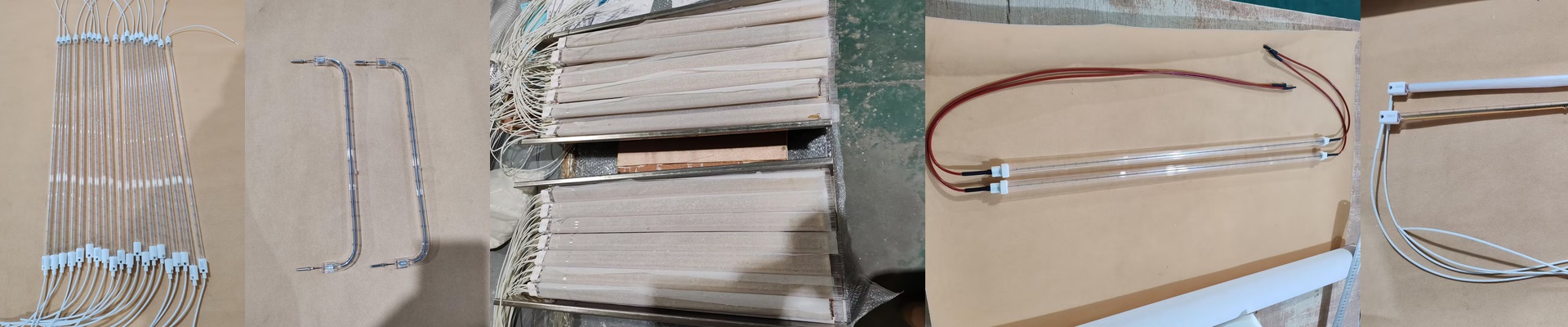
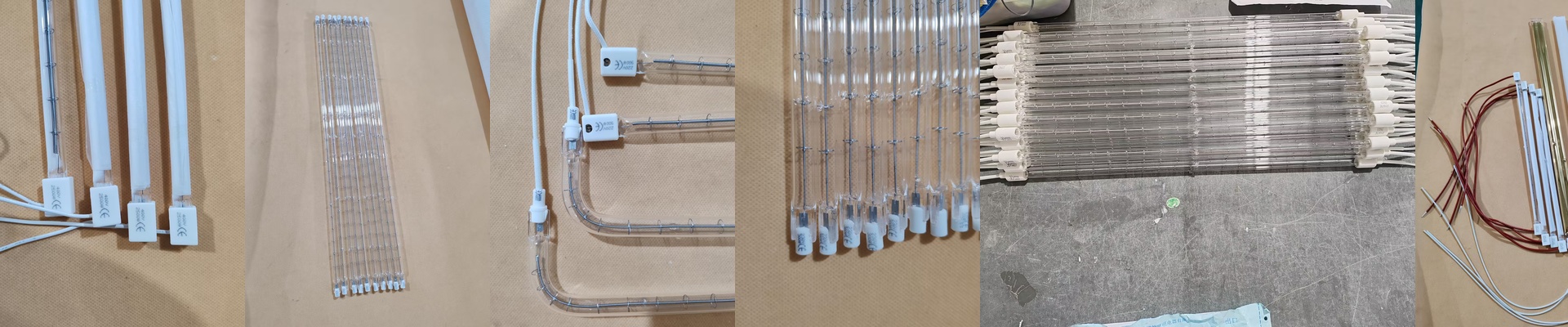
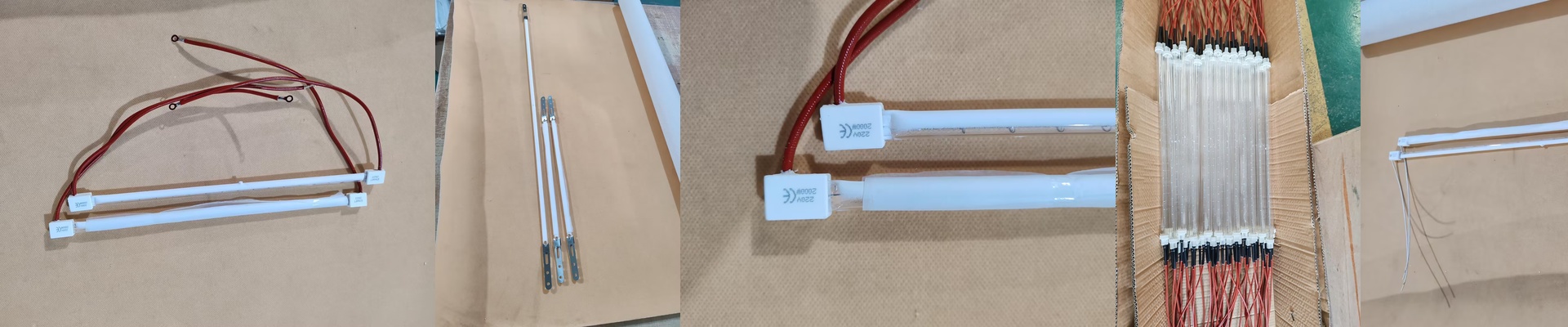
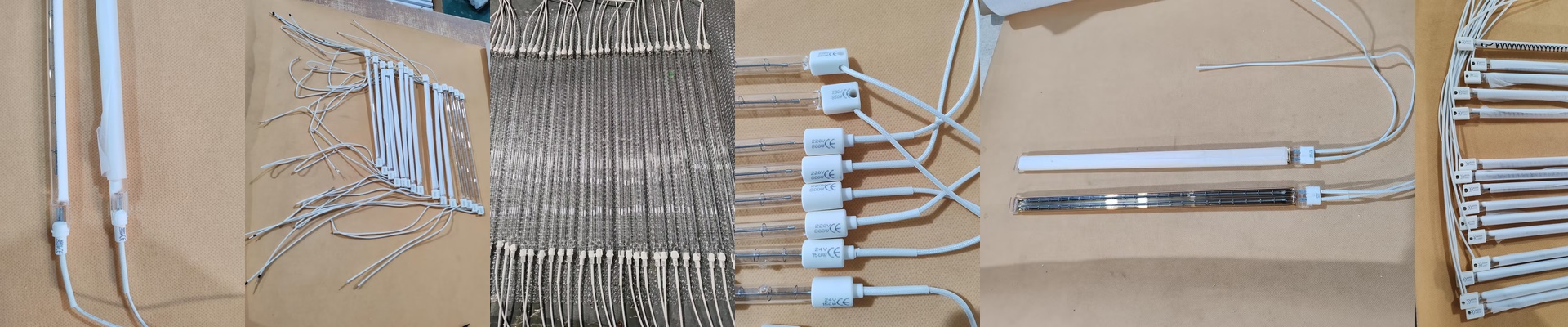
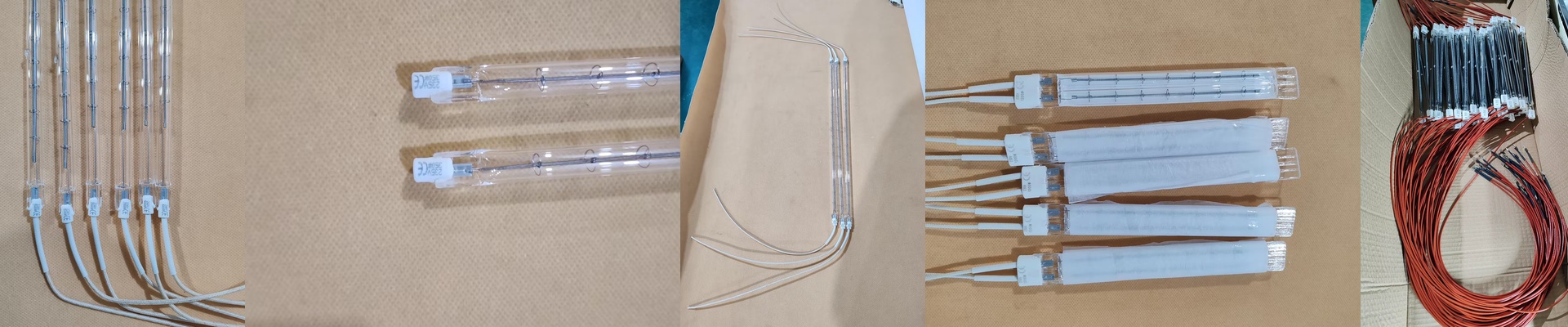
Look, we all know how it goes. You see a big name like OYATE and you assume that’s the only way to get high-output heat. But here’s the secret: you don’t need the brand-name markup to get the same thermal density or a lamp that actually lasts. We build our lamps to hit those same benchmarks, but we keep the price honest. Let’s talk power. When you’re picking a lamp, it really comes down to how voltage and wattage play together to create your heat flux. For the heavy-duty industrial lines, we usually stick with 220V to 400V. Why? Because higher voltage means you can pull less current for the same amount of wattage. It’s easier on your wiring. But a word of warning: if you’re running tubes over 2000W, your power supply needs to be rock solid. If your voltage spikes, you’re going to fry that filament fast. It’s that simple. The stuff we build them with. We use high-purity quartz glass. It’s the best way to make sure those short-wave rays actually get through. Sometimes, depending on what you’re heating, we add a coating to shift the emission spectrum. This is a lifesaver because it stops the lamp from just heating up the air around it and keeps the energy focused right where it belongs—on your workpiece. As for the plugs, we use R7s and SK15 connectors. They’re standard for a reason. They slide right into most PET blowing and curing machines without any fuss. Plus, they lock in tight, so they won’t wiggle loose when your production line starts vibrating. The trade-off you need to know about. High-wattage lamps are amazing for fast cycle times because they pack a massive punch. But there’s a catch. That heat doesn’t just hit your product; some of it bounces right back into the machine frame. You’ve got to make sure your cooling fans and heat sinks can actually handle the load. If the housing gets too hot, the quartz envelope gets stressed. And when quartz gets stressed, it cracks. We don’t spend money on fancy marketing campaigns or glossy brochures. We just focus on the raw specs—the wattage, the length, and the spectral output. You get the same heat. You just pay for the hardware.