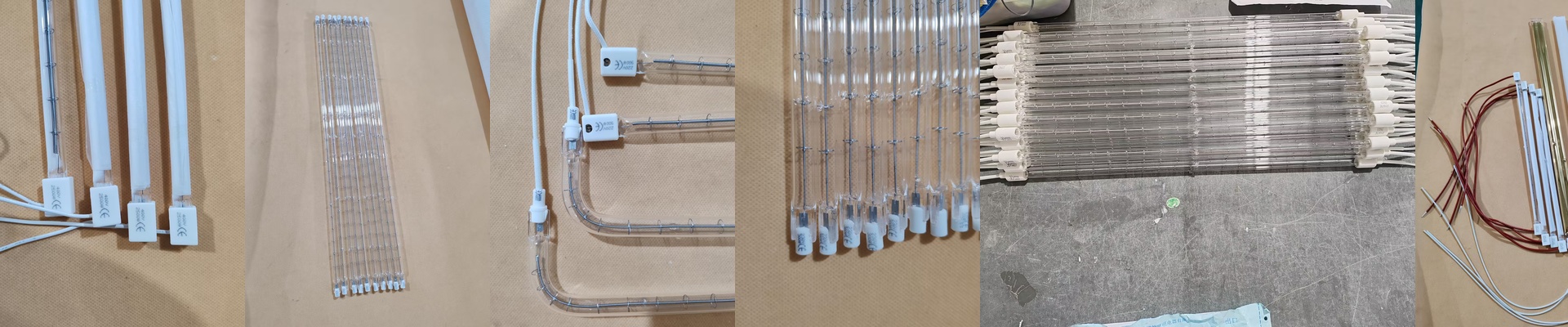
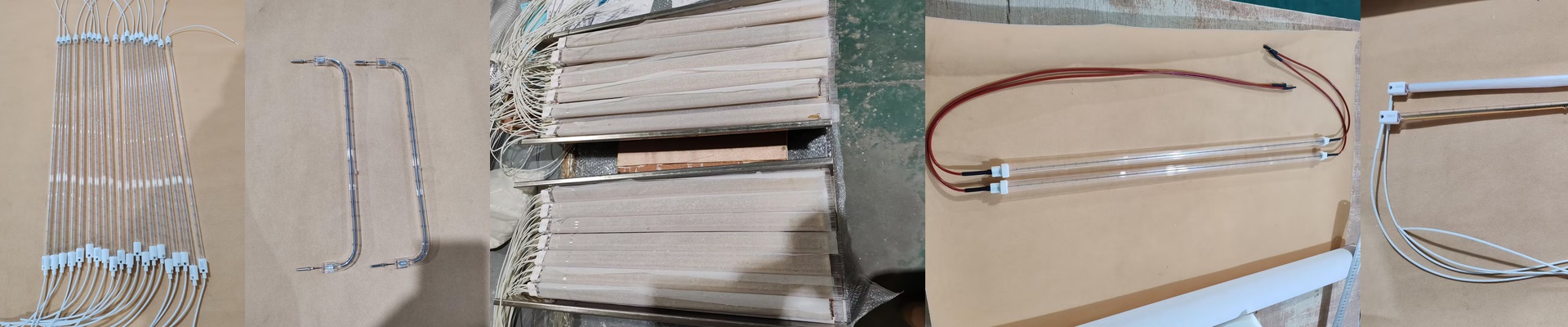
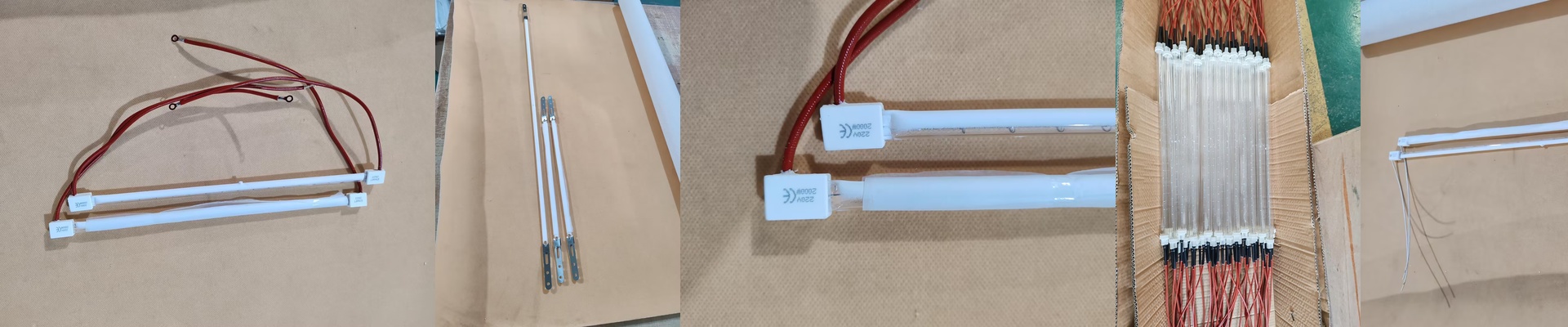
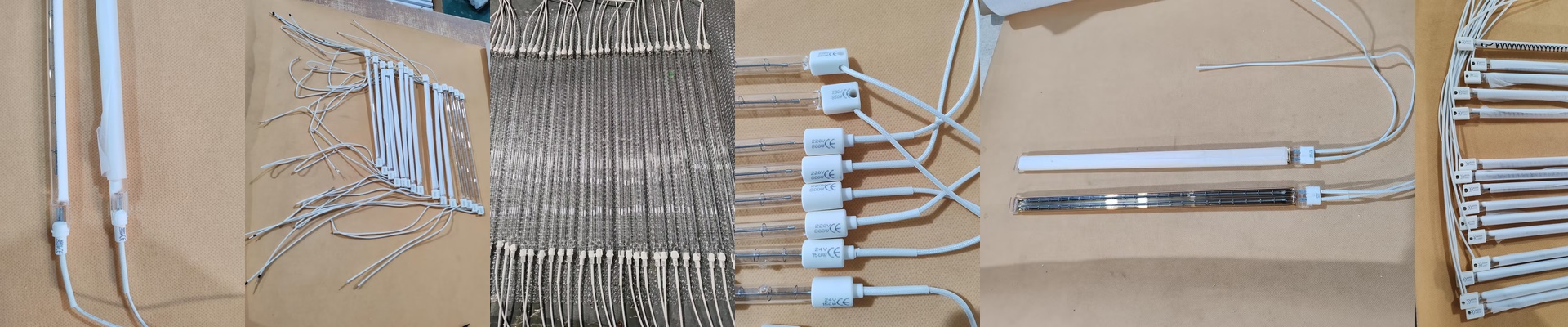
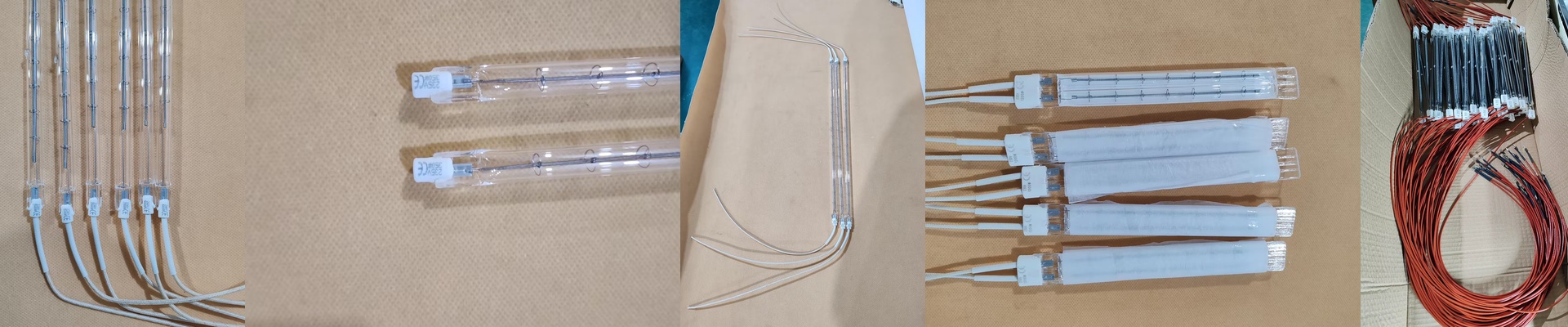
Don’t just trust the nameplate on your heating lamps
When you’re swapping out heating lamps in a plastic machine, it’s easy to just look at the voltage and wattage and call it a day. That’s what most people do. But here’s the thing: the specs on the label only tell half the story. The real headache starts when you actually turn the machine on and realize the heat isn’t hitting the plastic the way it used to.
The “Warm-Up” Struggle
You can have two lamps with the exact same wattage, but they won’t always heat your workpiece at the same speed. Think of it as a ramp. If the lamp jumps to temperature too fast, you’re going to scorch your plastic. It happens in a blink. But if it takes forever to get there? Your cycle times crawl, and you’re losing money every minute the machine is idling. We benchmark our tubes against the big names, like Henruite, because we want the “feel” of the heat to match what you’re already used to. No surprises.
Dealing with Cold Spots
This is where the cheap lamps really let you down. You’ll notice these annoying “cold spots” at the ends of the tube or a blistering “hot spot” right in the middle. Usually, it’s just sloppy filament winding or low-grade quartz. If you’re doing PET blowing or stretching film, a tiny 5°C difference across the zone is enough to mess up your wall thickness. It ruins the part. We spend our time calibrating the filament density so the heat stays flat and consistent from end to end.
A Few Things to Watch Out For
High-density lamps get the job done fast, but they’re tougher on your hardware. If you decide to drop in a higher wattage replacement, please—check your wiring. Cheap connectors aren’t built for that kind of current and they’ll burn out. And don’t forget your cooling fans. A more aggressive heat curve means more ambient heat floating around your machine. We’ll give you the actual test data upfront so you can make sure your cooling system can handle the heat before you even plug the lamps in.