How We Actually Build These Industrial Halogen Lamps
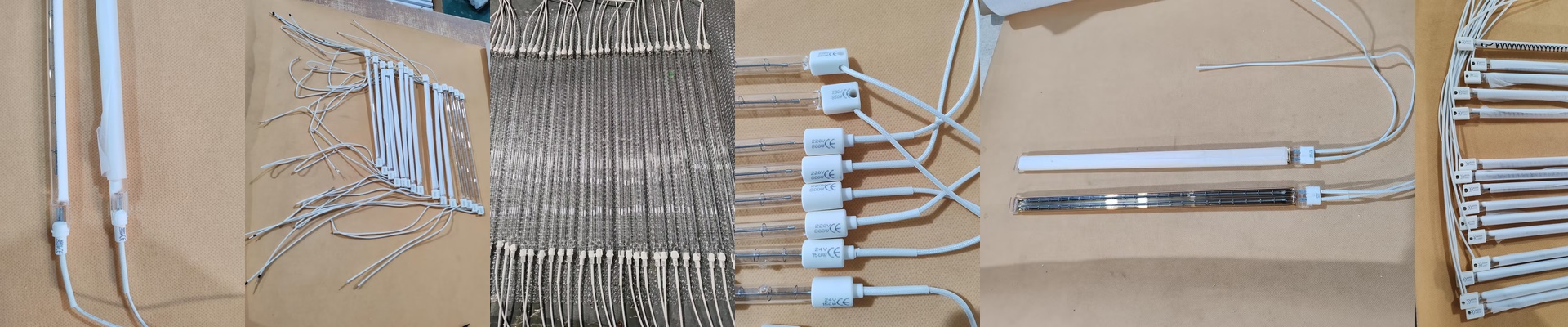
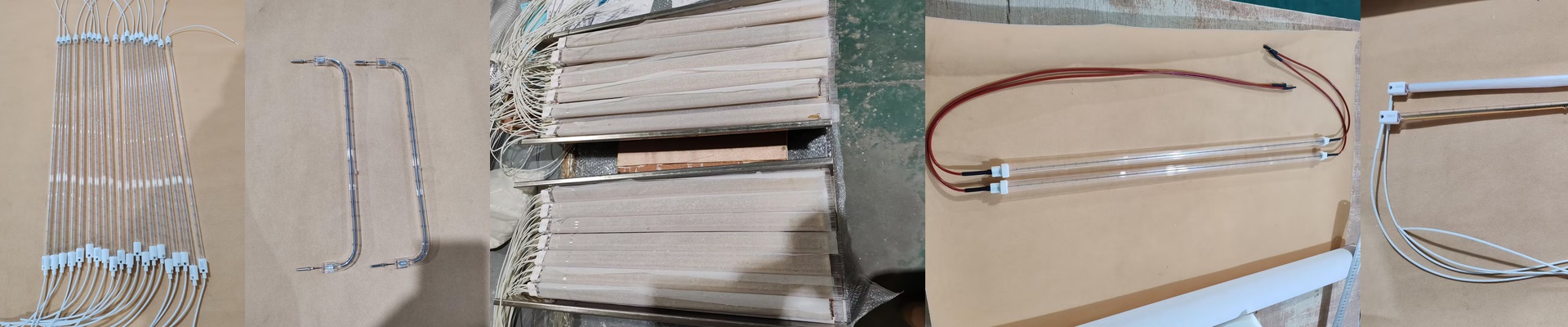
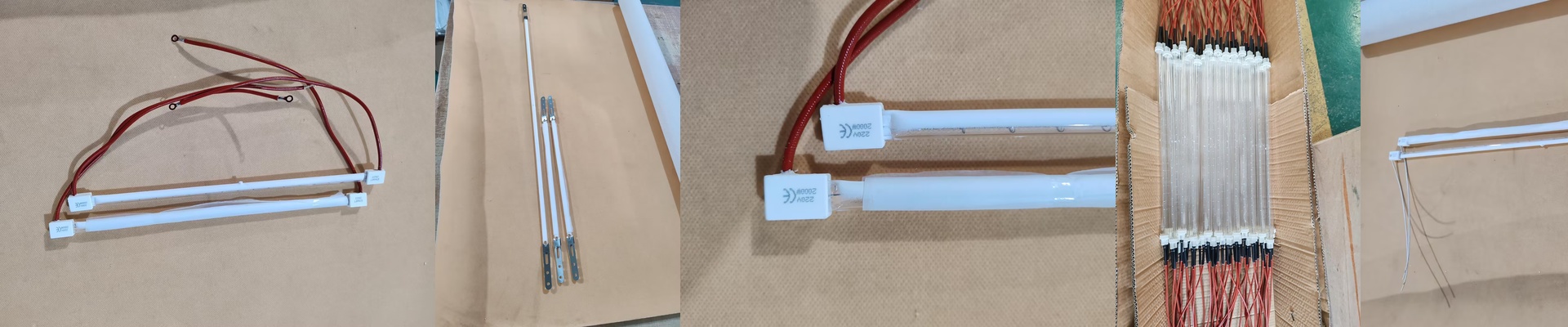
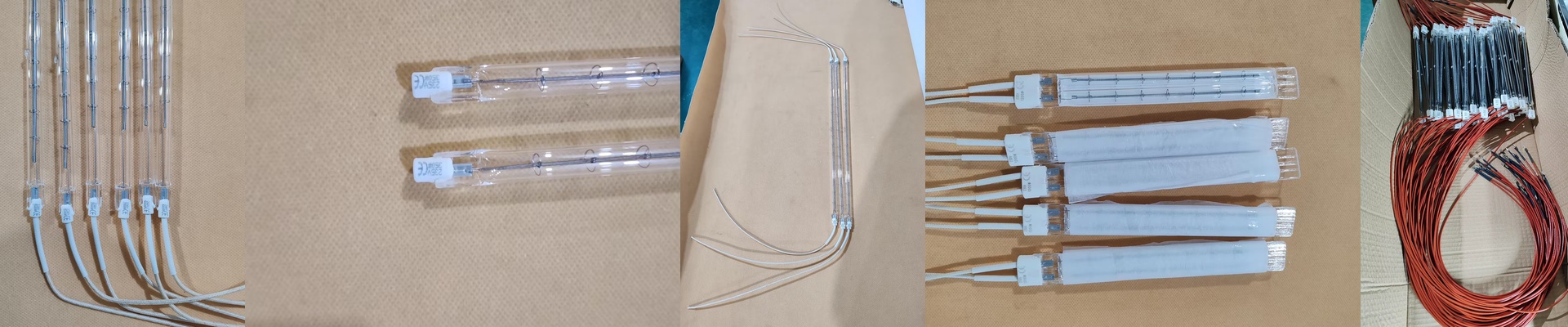
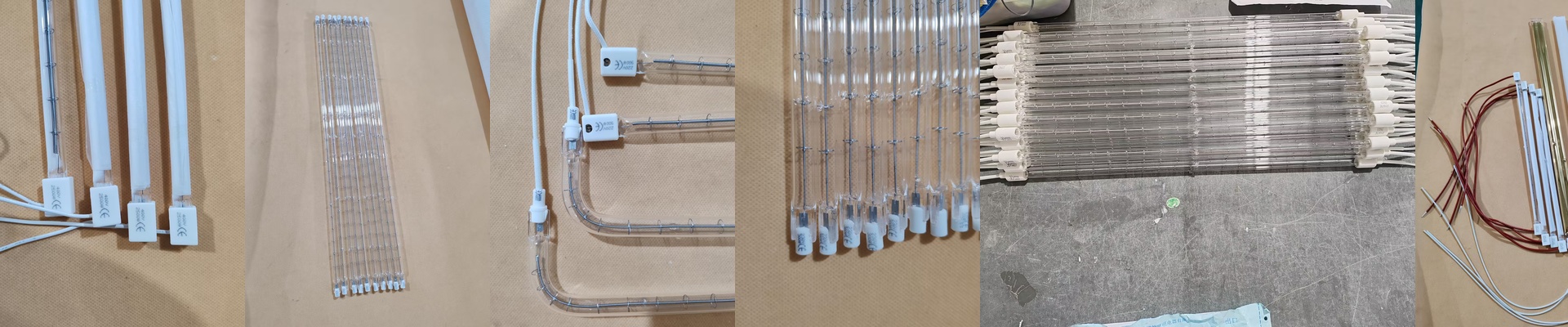
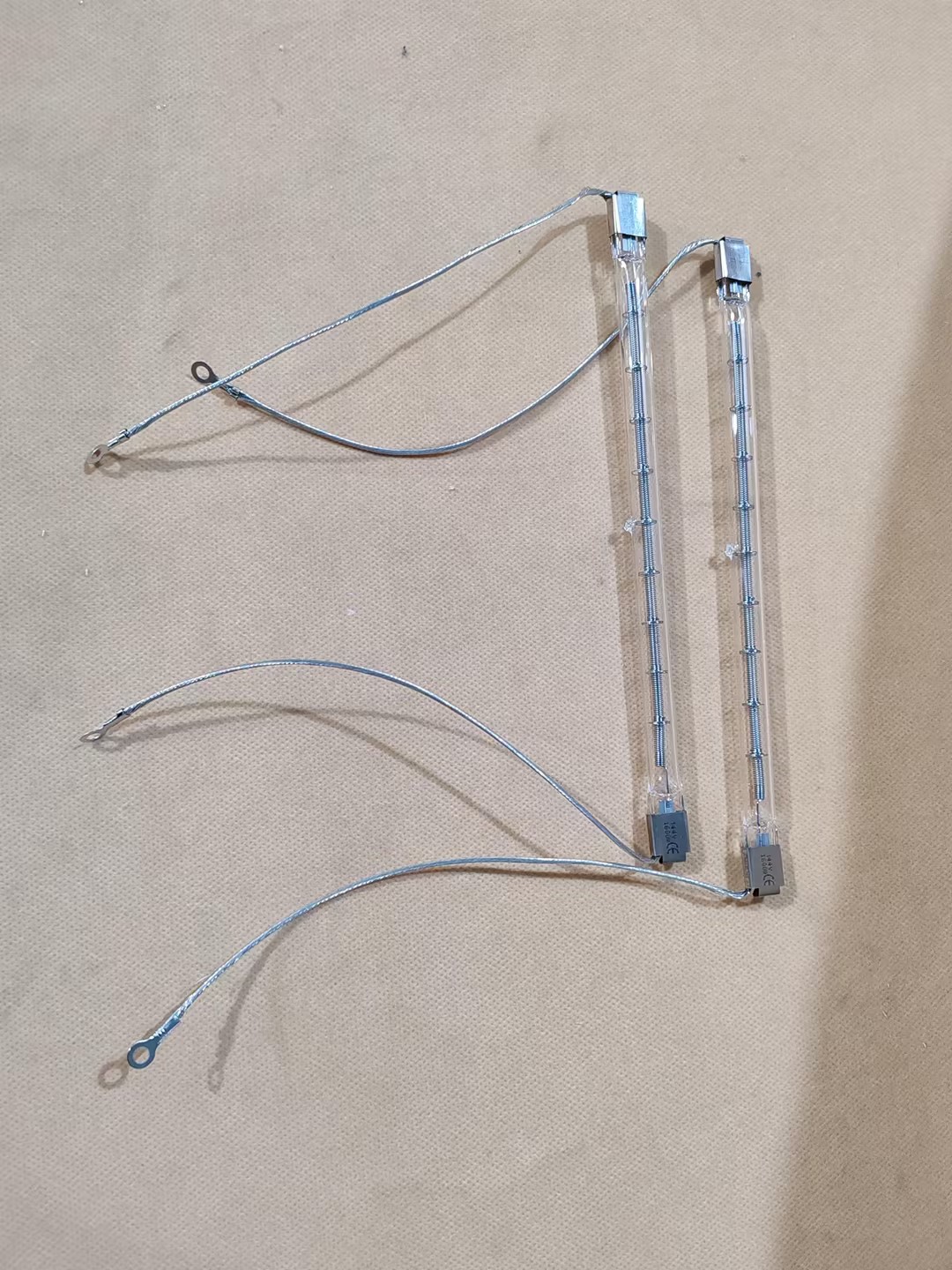
Ever wonder why some heaters just feel… stronger? It comes down to how we build our halogen lamps. We start with a tungsten filament tucked inside a quartz glass tube, then fill the whole thing with a specific halogen gas mix. Here’s the trick: that gas stops the filament from evaporating too fast. It lets us crank up the heat to levels that would normally burn a lamp out in minutes, without actually destroying the element. Let’s talk power. The real magic happens when you balance the wattage and voltage. If you’re doing PET blowing or rapid curing, you need high-wattage tubes to get that intense heat density. Now, if you go with a higher voltage, you’re drawing less current for the same amount of power. That’s a win because it keeps your wiring from getting too hot. But be careful—you’ve got to match your power supply to the lamp’s rating exactly. If you over-volt it?**Snap.**The filament is gone instantly. The hardware side of things. We use high-purity quartz because it doesn’t freak out when the temperature swings wildly. Some of our tubes even have a special coating. This shifts where the heat goes, pushing it onto your workpiece instead of melting your machine frame. For the plugs, we usually stick with R7s or Sk15 connectors. They’re simple, drop-in replacements for most industrial ovens. They click in tight, so you don’t have to worry about them vibrating loose while the machine is humming along. The reality of using them in the field. These things are fast. Like, “hit peak temperature in seconds” fast. That’s why they’re a dream for shrink wrapping or shaping plastic. You get a tiny footprint but a massive amount of heat. But there’s a catch. That intensity puts a huge load on your cooling fans. If your ventilation isn’t strong enough to pull that ambient heat away, you’re going to run into trouble. You’ll either warp your reflectors or trip your thermal cut-offs. Just wire them up right, keep the air moving, and these tubes will last you a long time.