Why Your Quartz Lamp Specs Are Lying to You
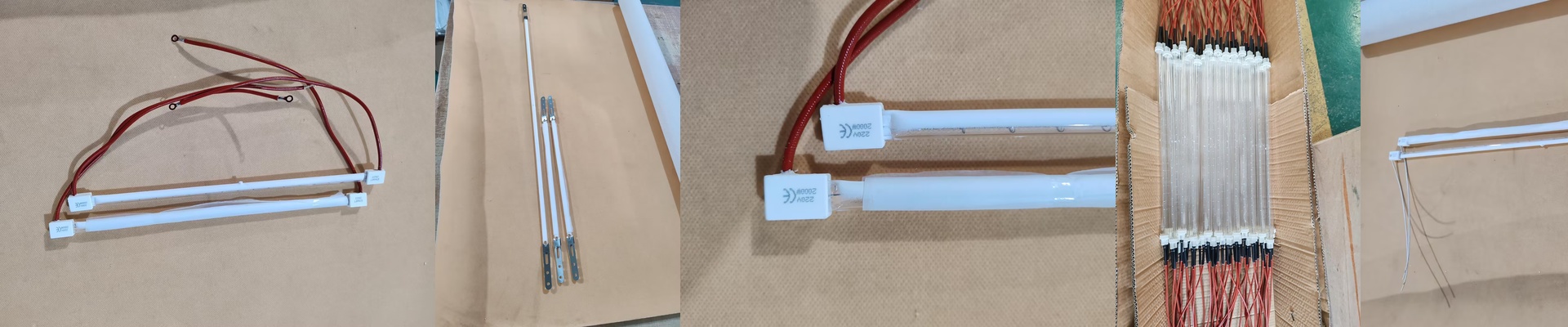
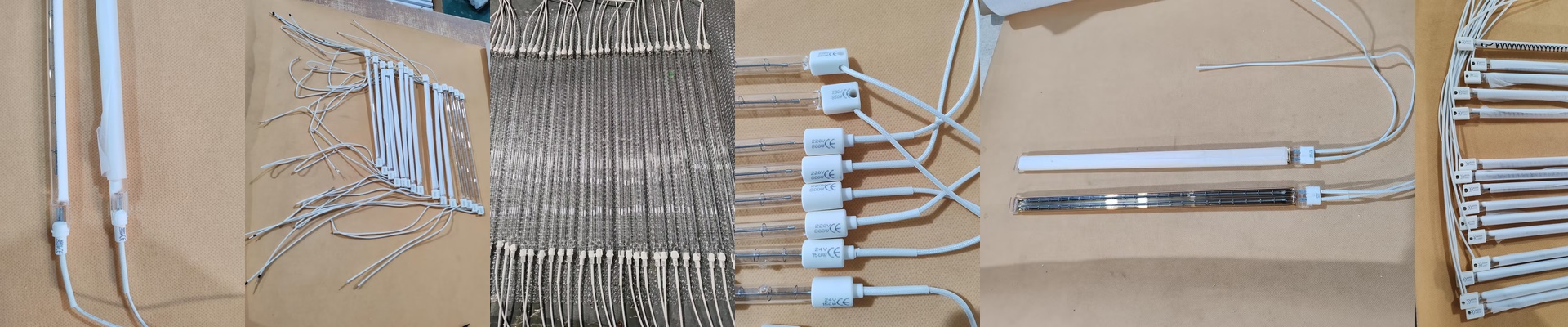
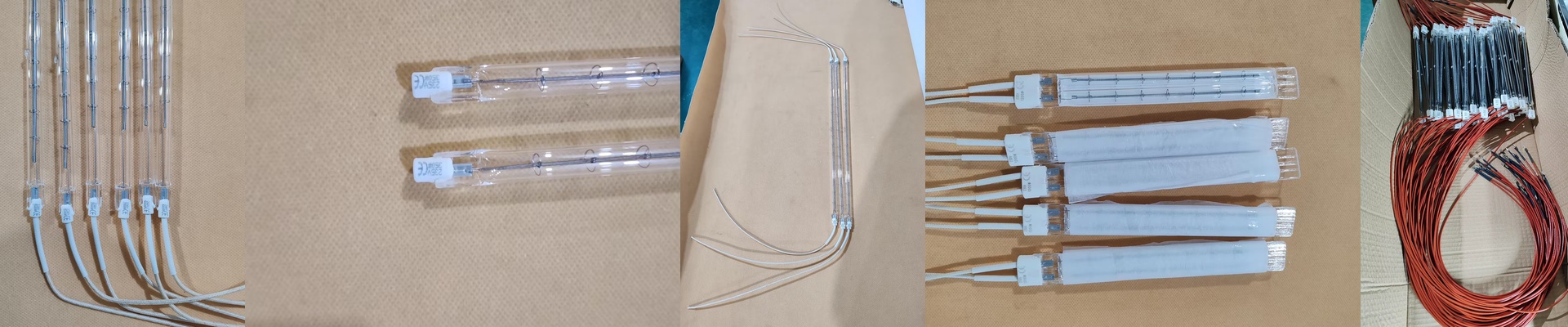
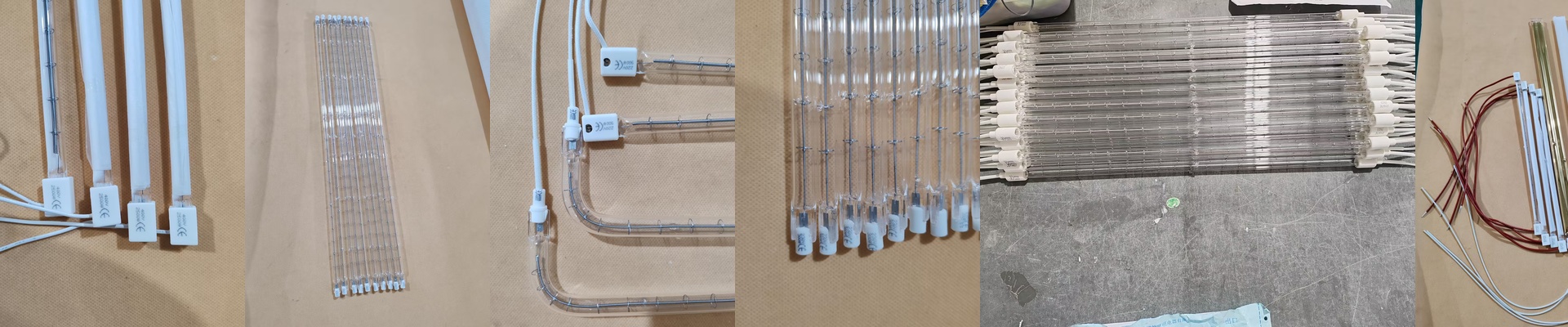
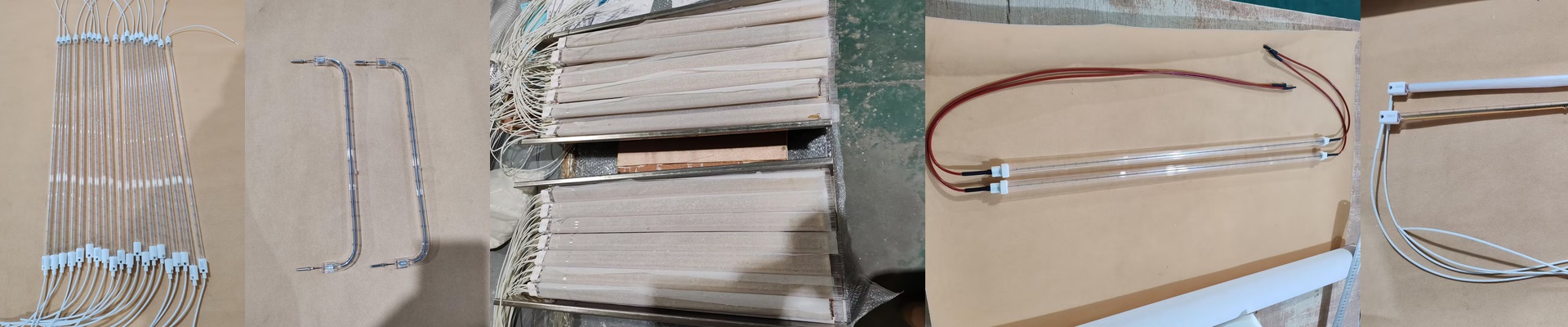
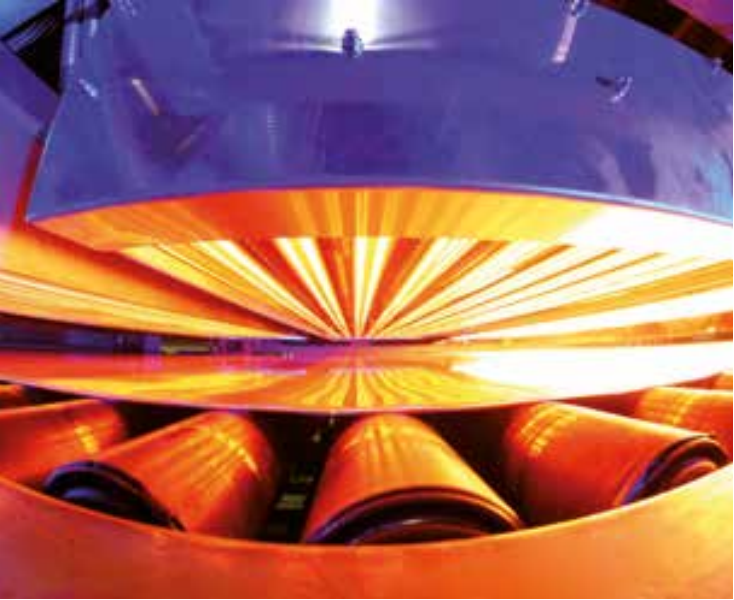
Here is the truth about swapping out quartz lamps: looking at the voltage and wattage on a datasheet doesn’t tell you the whole story. You can buy two lamps with the exact same numbers on the box, but once you plug them in? They behave completely differently. It’s not about what the paper says. It’s about how the heat actually moves. The “Warm-Up” Problem Think about how fast your element hits its target temperature. That’s the real metric. If the filament isn’t wound just right, you end up with “cold spots” at the ends of the tube. It’s frustrating. We track the thermal ramp-up across the whole length of the glass to make sure it’s consistent. When that curve is steep and steady, your process hits temperature faster. That means less waiting around and quicker cycle times. The Danger of “Budget” Lamps This is where the cheap alternatives usually fall apart. Too often, the heat bunches up in the center. If you’re blowing PET or running a coating line, that’s a nightmare. You’ll end up burning the middle of your material while the edges are barely warm. We use thermal imaging to map the surface. We’re looking for a flat profile—even heat from end to end—so your parts don’t warp and your cure is perfect every time. The Trade-off (And the Risk) Now, pushing for high-density heat is great for throughput, but it puts a lot of stress on the quartz. If you cram too much wattage into a small space, the glass expands aggressively. If your mounting brackets are too tight and don’t give the glass room to breathe,**it will snap.**It’s as simple as that. Want to see the difference? If you’re using Henruite tubes right now, let’s just try a side-by-side test. Pop one of our lamps in one slot and your current one in the other. Check the actual surface temperatures. The numbers won’t lie, and you’ll see exactly where you’re losing efficiency.