Stop Wasting Power on Hot Air
Let’s be honest: energy bills are a nightmare. If you’re running PET blowing or film extrusion, you already know the heating system is where most of your money disappears. I see way too many shops still clinging to those old resistive heaters. The problem? They spend half their time warming up the air around the part instead of the part itself. It’s a waste. Switching to high-quality quartz infrared (IR) lamps actually changes how the work gets done.
Getting the heat where it belongs
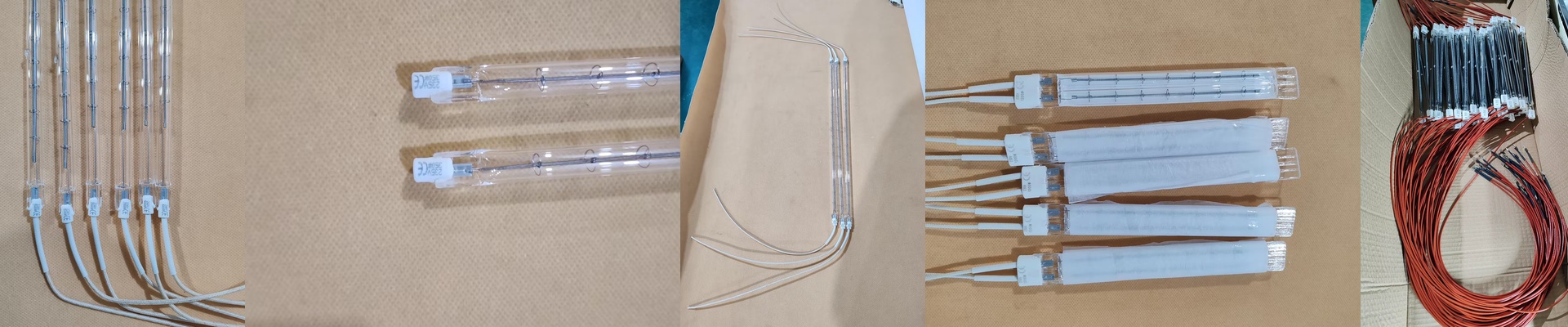
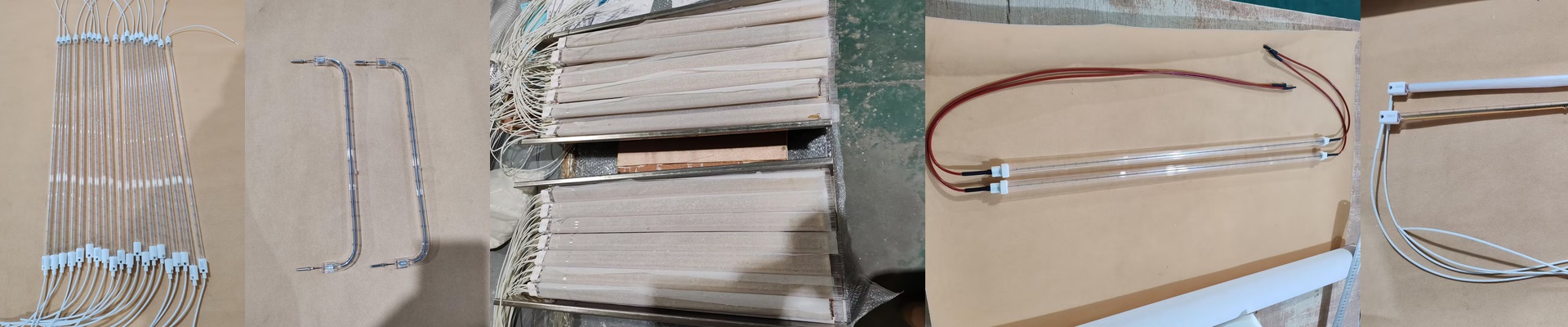
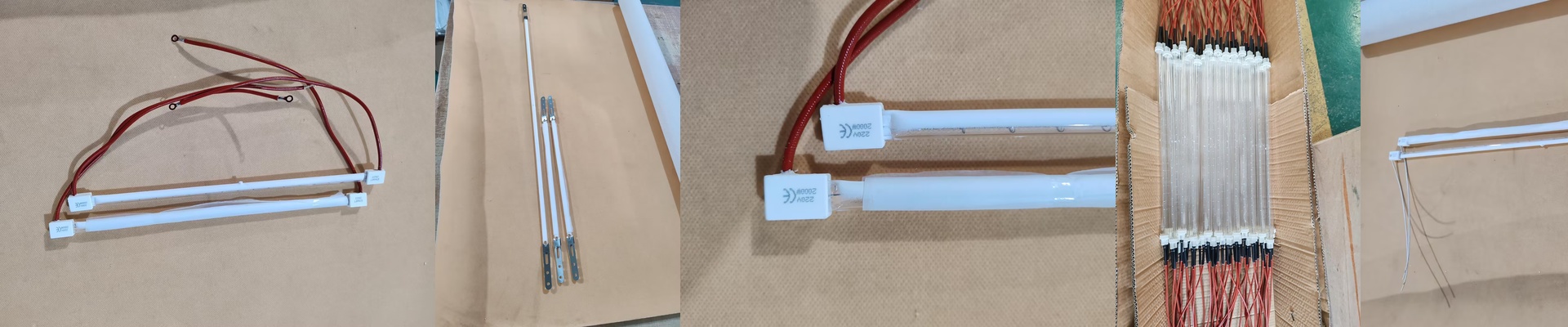
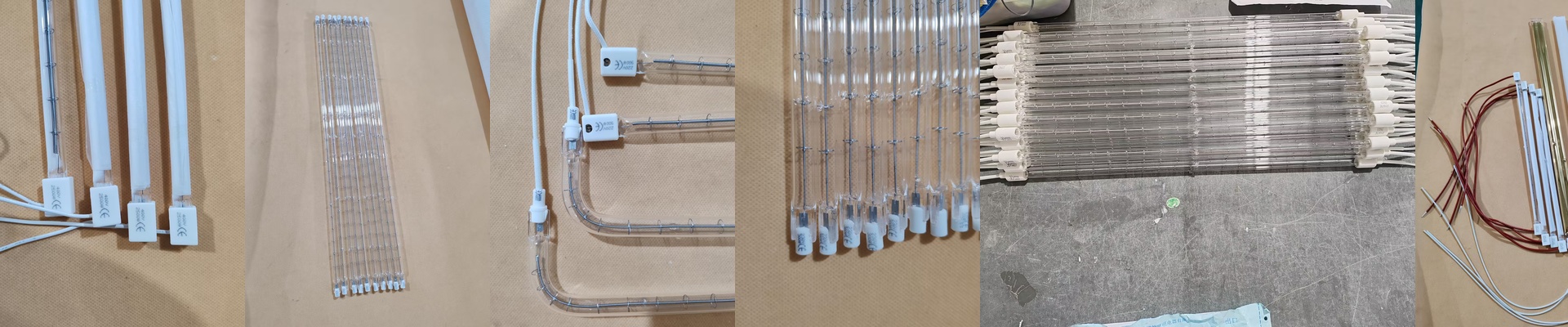
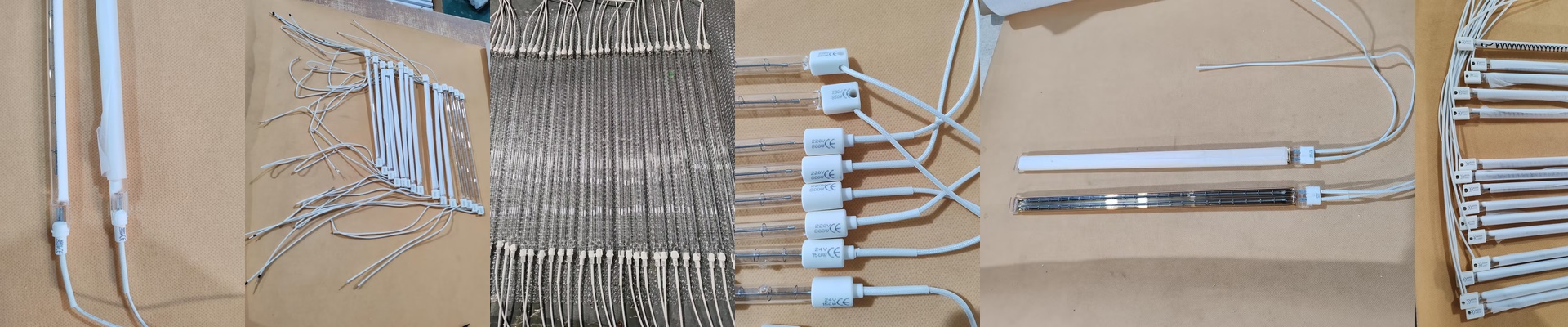
We design these quartz heaters to punch the energy straight into the polymer. Here’s the trick: by cranking up the wattage in a shorter tube, we create a much higher heat density. This means your plastic hits that glass transition temperature way faster. Your cycle times drop. You get more parts out the door. And if you’re worried about your wiring, we’ve got you. High-voltage setups (like the 400V ones) let you run more lamps on a single circuit. It keeps your footprint small and your electrical panel from looking like a bird’s nest.
The gear under the hood
We use high-purity quartz glass because it doesn’t warp when things get intense. But the real magic is in the coatings. Depending on the resin you’re using, we can tweak the wavelength so the plastic absorbs the heat more efficiently. It’s about matching the lamp to the material. As for the connectors, we stick with R7s or Sk15. Why? Because they stay tight. No arcing, no burn-outs when the metal expands from the heat. When a lamp finally gives out, you just pop it out and slide a new one in. It takes minutes.
The catch (because there’s always one)
Now, more heat density isn’t a magic wand. When you run these high-output shortwave lamps, it gets hot. Really hot. If your cooling fans or water jackets aren’t up to the task, you’re going to fry your machine’s electronics. You have to find that sweet spot between how much heat you’re pumping in and how much your system can breathe. Get the wavelength right, and you stop paying for energy you aren’t using. That’s how you actually keep your margins healthy.