Stop Paying for the Logo: What Actually Matters in Quartz Heaters
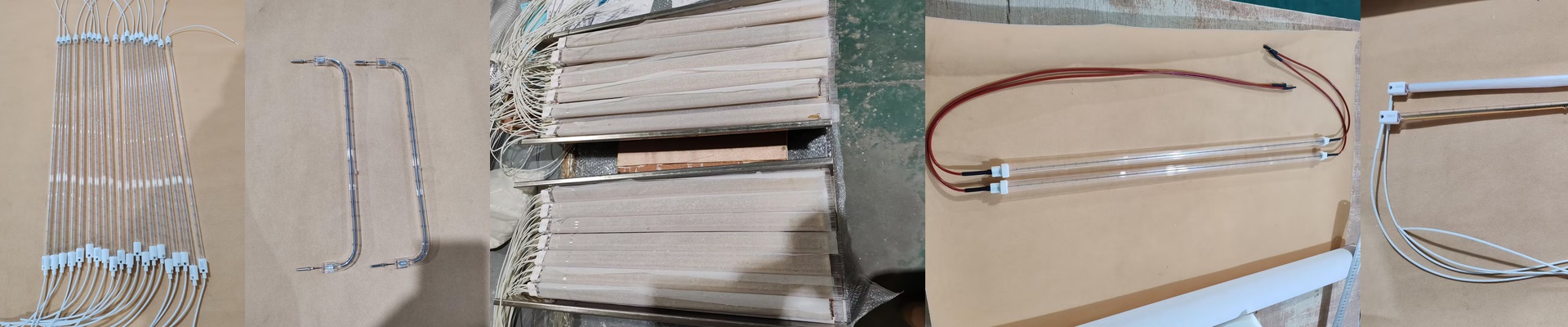
A lot of engineers I talk to automatically go for those big-name European brands—names like Goldisgood—because they’re terrified of losing heat density. I get it. You want a guarantee. But here’s the thing: when you actually put a high-spec domestic quartz tube next to those imports in a real test, the difference in heat usually just… disappears. You aren’t looking for a “cheap” knock-off. You’re looking for a tool that does the exact same job without the “luxury brand” tax.
The nitty-gritty of power
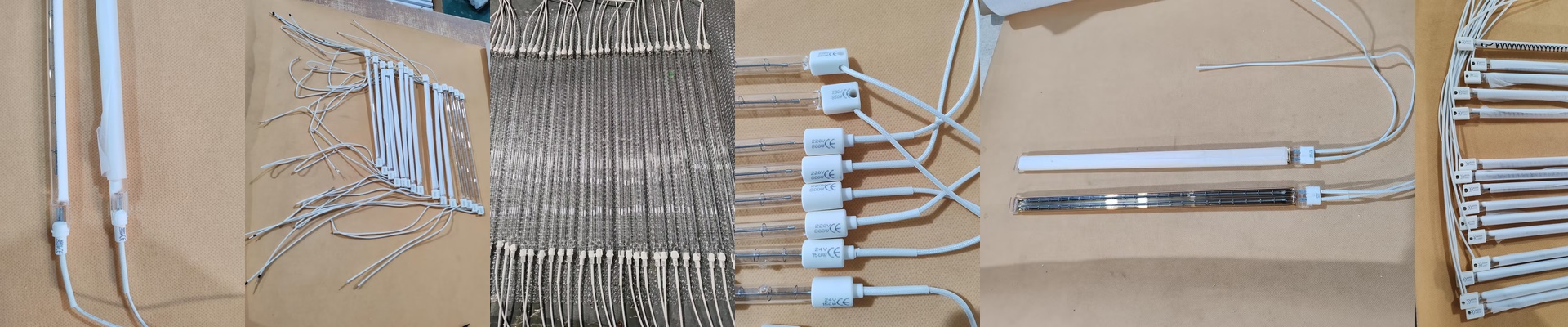
Matching your wattage and voltage is the bare minimum. If you’re running 230V or 400V, the filament geometry has to be spot on, or you’re just asking for a premature burnout. We obsess over the ohms per millimeter. Why? Because when a tube hits the wattage spec exactly, your PID controllers aren’t fighting the load. It just works. If your voltage is off by even 5%, you’ll feel it—the surface temperature drops, and suddenly your process is lagging.
Quartz, gas, and the “hot spot” problem
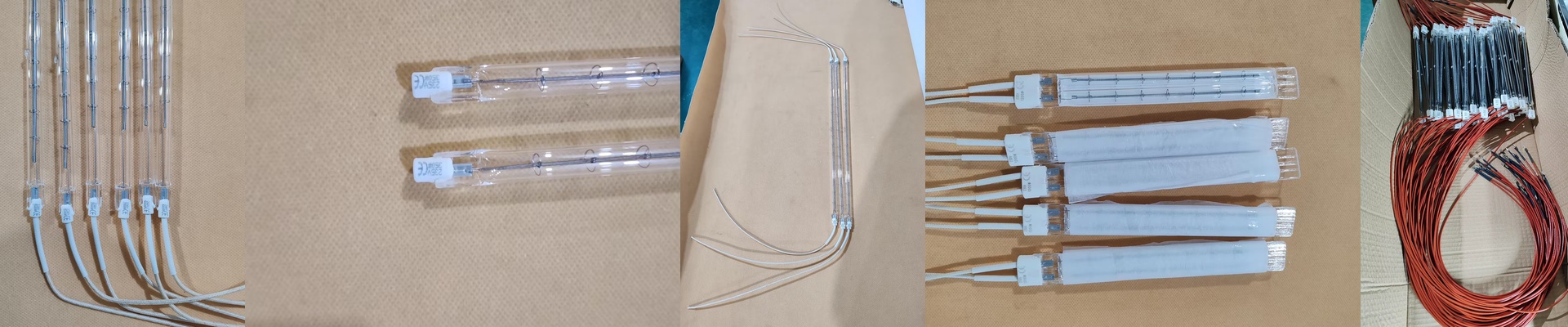
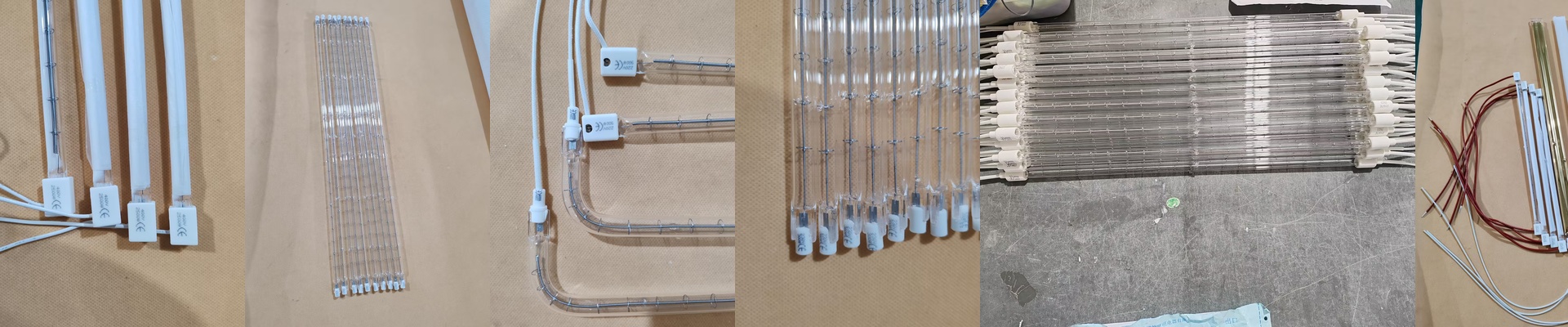
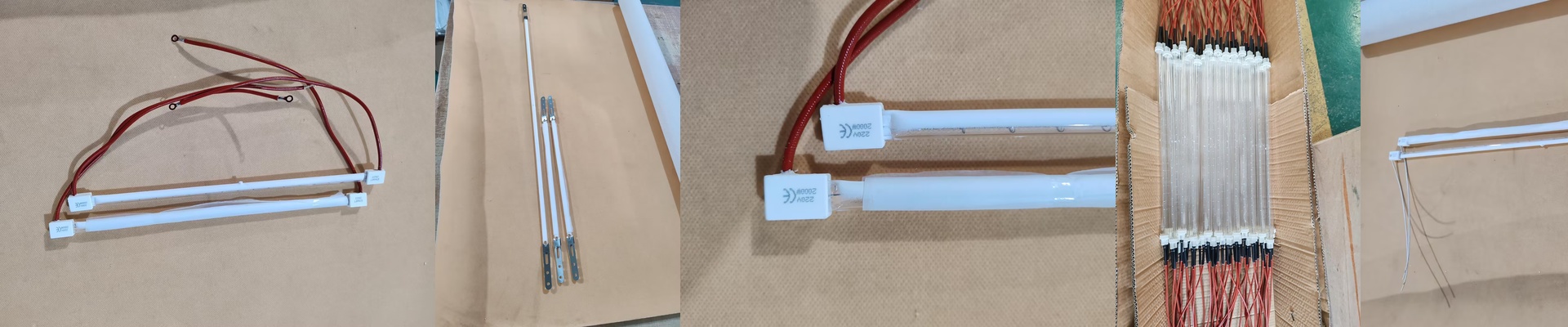
We use high-purity fused quartz because it doesn’t freak out when the temperature swings. We also fill them with halogen gas. This pushes the filament back into the coil, which is basically a cheat code for making the lamp last longer. Whether you’re using R7s or Sk15 connectors, the contact points have to resist oxidation. If you have poor contact at the base, you get a hot spot. And a hot spot is a death sentence for a quartz tube. Simple as that.
Putting them to work
These tubes are beasts. They’re built for the heavy lifting—think PET blowing or industrial drying. They slide right into your existing setup without any fuss. Just a heads-up: if you cram a high-wattage tube into a tight housing, things get hot. Really hot. Make sure your cooling fans can actually handle the load, or you’ll end up cooking your own wiring. We provide the raw heat; it’s up to your machine’s airflow to keep things under control.