Why Some Lamps Just Last Longer
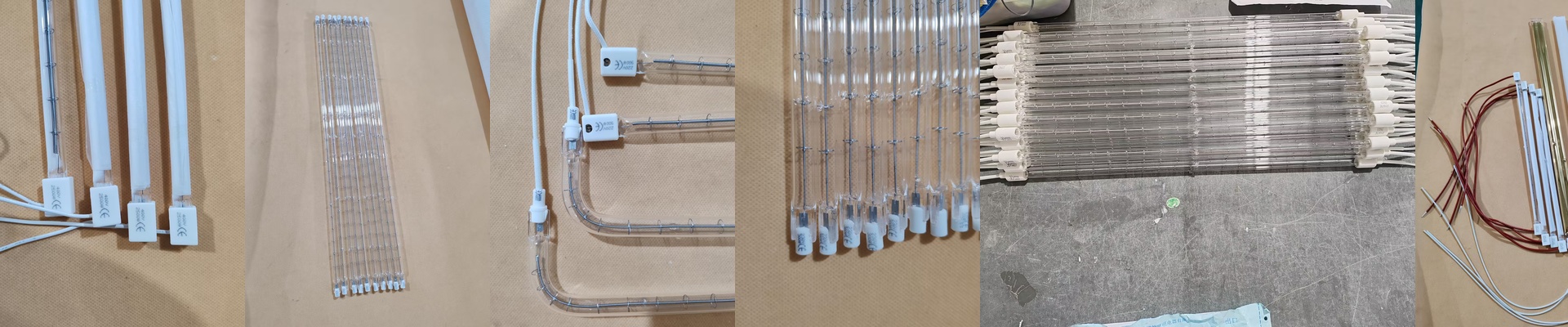
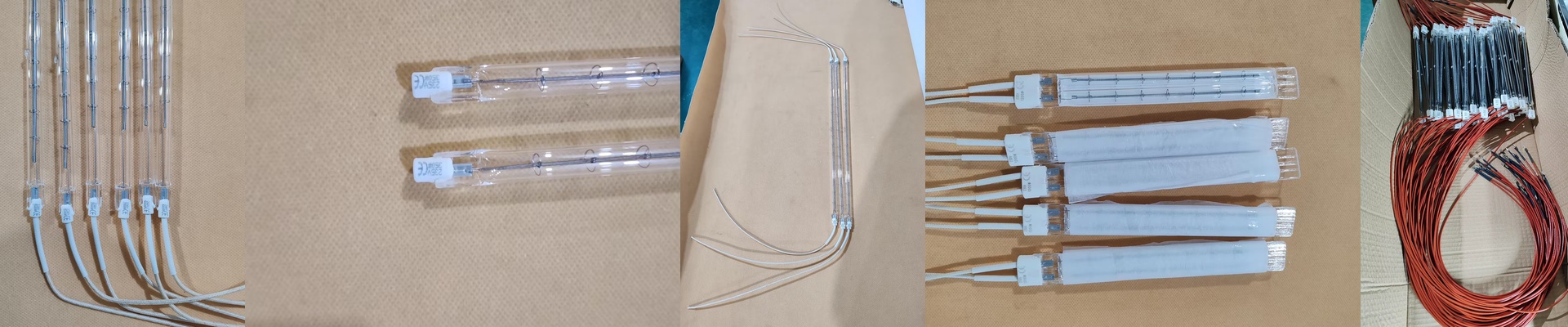
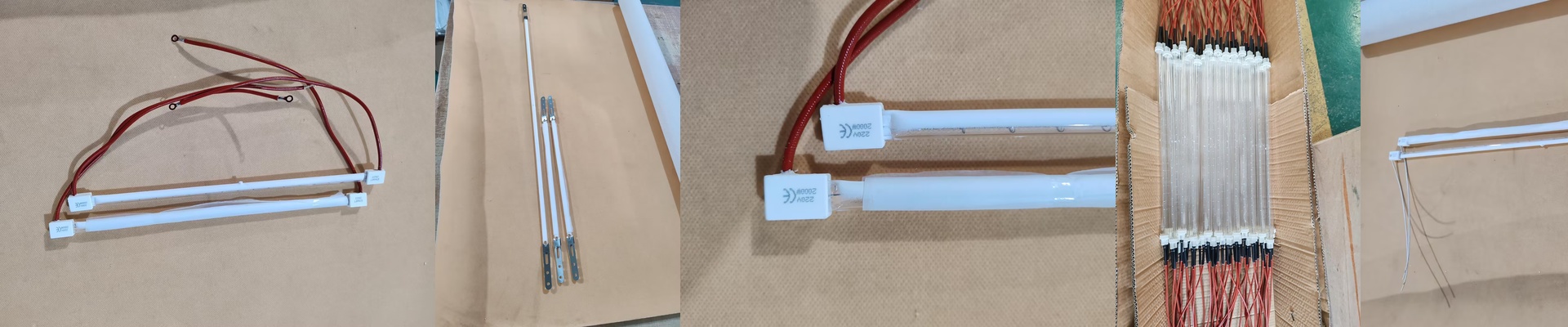
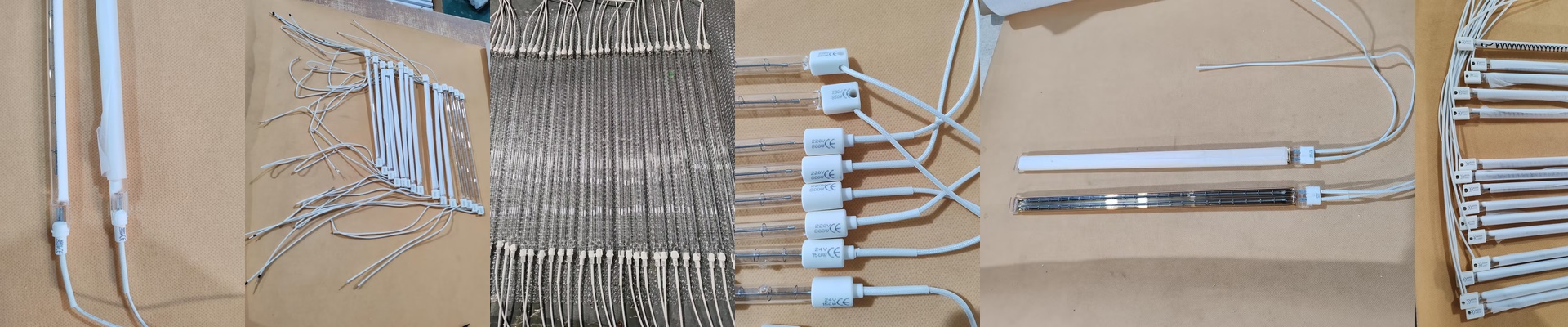
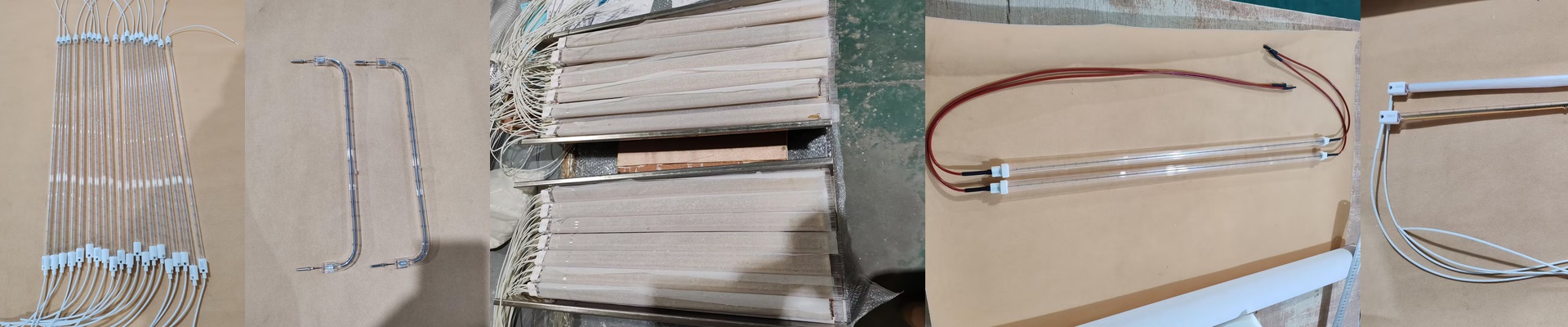
A lot of engineers think quartz tubes are all basically the same. They aren’t. There’s a massive difference between a cheap, budget lamp and a proper industrial tube. It usually comes down to two things: how pure the silica is and the actual grain of the tungsten filament. We use the same high-purity glass and premium alloys you’ll find in the top three big-name brands. Why? Because we’re tired of seeing lamps burn out way before they should.
The battle against “hot spots”
Here is the thing about IR lamps: they live or die based on how the filament handles evaporation. Cheap filaments tend to develop “hot spots”—little areas where the metal gets too thin. Eventually, it just snaps. We spec our filaments to hit the highest industry benchmarks so the resistance stays flat across the whole tube. No weak points. No surprises. Then there’s the glass. When low-grade quartz sits under constant heat, it can crystallize. It becomes brittle, it cracks, and then oxygen leaks in. That’s usually what kills a lamp. We use high-grade quartz that resists that crystallization, keeping the vacuum tight and the lamp alive.
A quick heads-up on power
Since these lamps are built to the same specs as the top-tier brands, you get that same heat density and stability. But there’s a catch. These high-output lamps really push your power supply. If your voltage jumps or drops by even 5%, you risk overdriving the filament. If you want to actually hit those rated lifespans, you need a stable power source. Period.
Stop swapping tubes every two weeks
Nobody wants to shut down a production line every couple of weeks just to swap out a burnt tube. It’s a headache and it kills your momentum. We designed these to be reliable, high-cycle workhorses. Because we mirrored the material science of the industry leaders, you get a drop-in replacement that doesn’t drift over time. Your heat stays consistent. Your scrap rate goes down. You can actually stop worrying about your lamps and get back to work.