Why You Should Stop Overpaying for Your Plastic Plant’s Heating Lamps
Let’s be honest: most big plastic plants are bleeding money on those fancy, imported infrared heating arrays. They’re expensive to buy and even more expensive to keep running. But here’s a secret. You can often swap those out for high-spec domestic alternatives. It’s not just about saving a few bucks on the initial order—it’s about slashing your yearly maintenance budget and lowering the actual cost of every hour of heat you pump out.
Getting the Heat Right
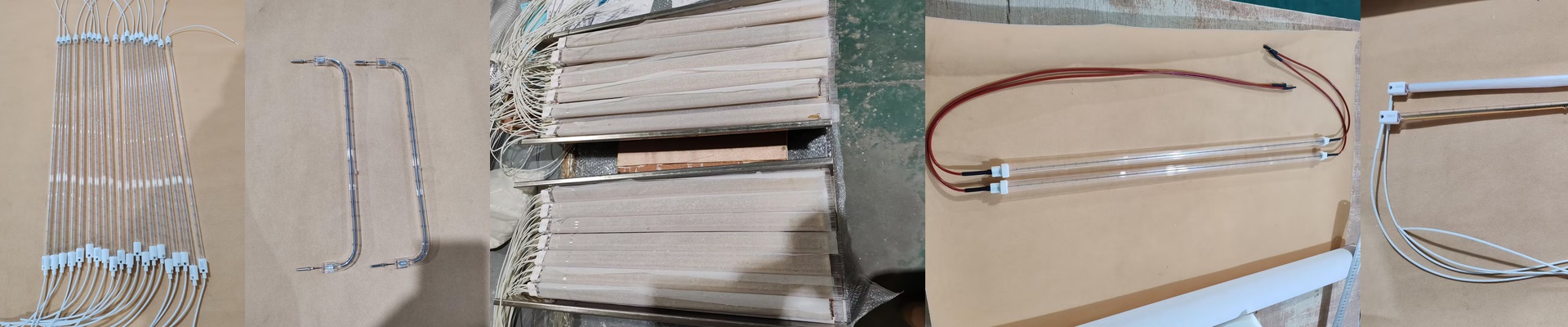
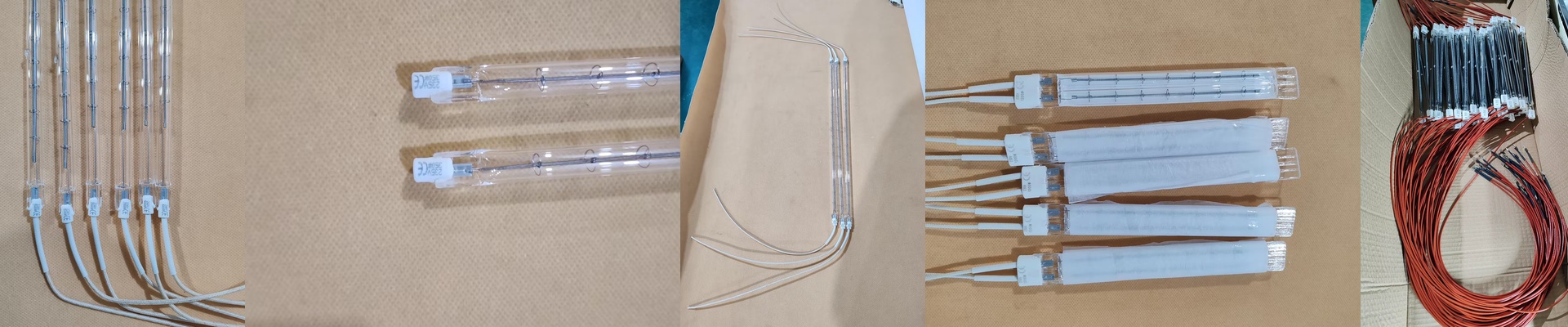
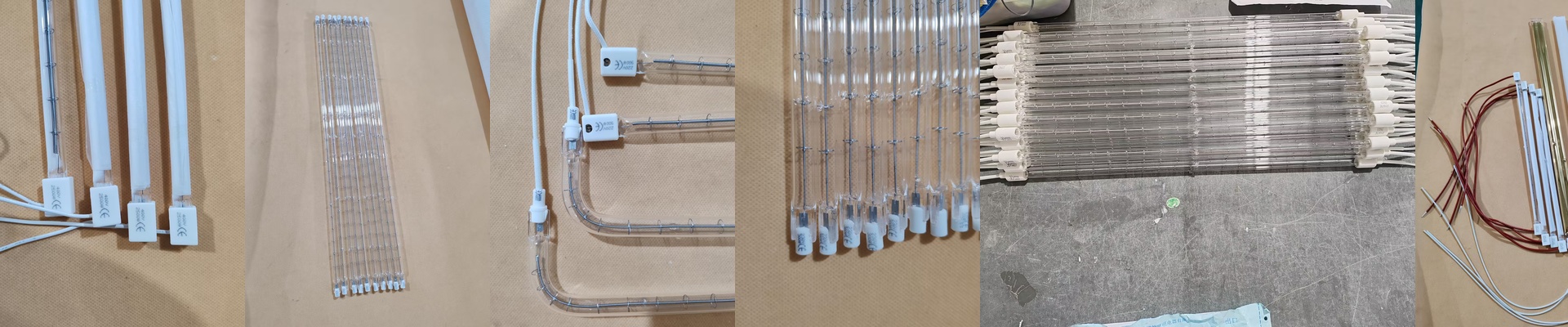
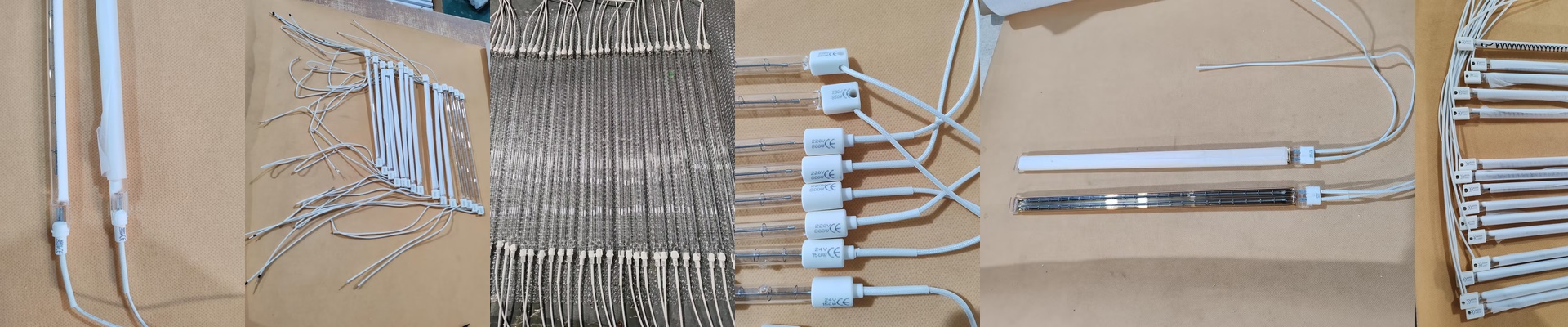
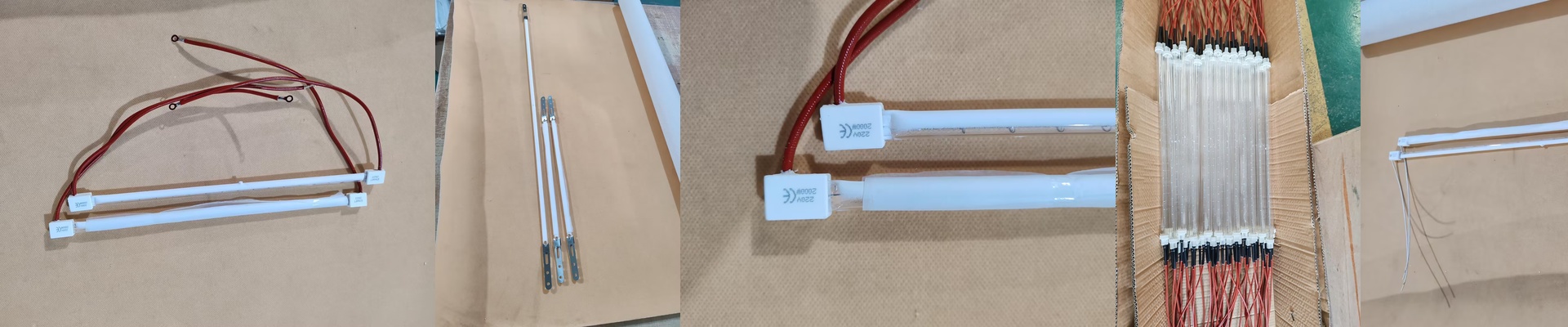
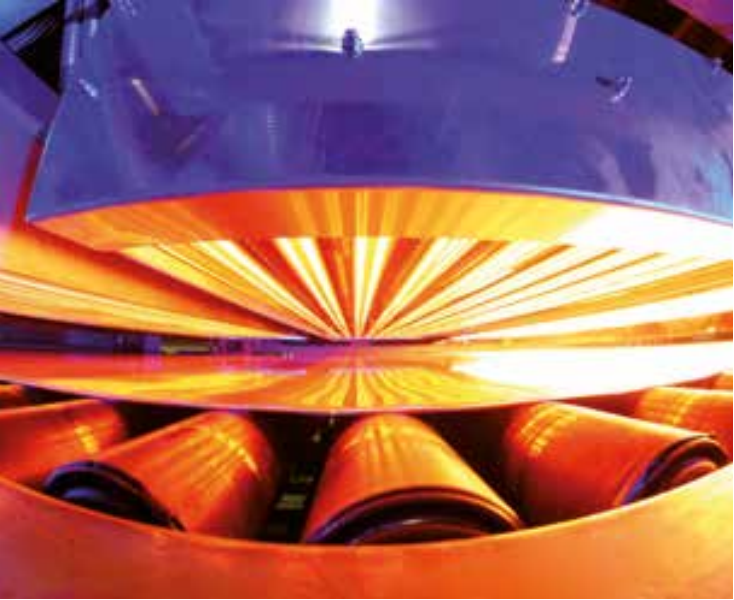
When you’re running a PET blowing line or a heavy-duty thermoforming machine, you need heat, and you need it fast. That’s why we lean on short-wave infrared lamps. The trick is using high-wattage quartz tubes. They let you keep the equipment footprint small while still hitting those high temperatures needed to soften polymers in a snap. And here is the best part: if you pick lamps that match your current voltage (like 220V or 380V), they just slide right in. No need to call in an electrician to rewire your entire oven or buy new transformers. You just swap them and get back to work.
The Little Things That Actually Matter
Heat is brutal on equipment. If you use cheap quartz, the tubes warp. That’s why we stick to high-purity quartz—it stays straight and strong even when things get scorching. But the real headache? The connectors. Whether you’re using R7s or Sk15, this is usually where things go wrong. I’ve seen too many lamps burn out early because of a sloppy crimp on the leads. It causes arcing, which is basically a death sentence for the filament. When the connectors fit tight, the electricity flows smooth, and the lamps actually last as long as they’re supposed to.
The Trade-off
Moving to high-output domestic lamps makes your replacement bill look a lot friendlier. You get the same heat, but you aren’t paying a “premium import” tax. Just a heads-up, though: keep an eye on your cooling fans. When you concentrate that much heat in one spot, it can put a lot of stress on the machine’s frame. If your airflow isn’t dialed in, the housing can get way too hot. Keep the air moving, and you can let those lamps do the heavy lifting without worrying about melting your own gear.