Getting the Most Out of Reflector Tungsten Halogen Lamps
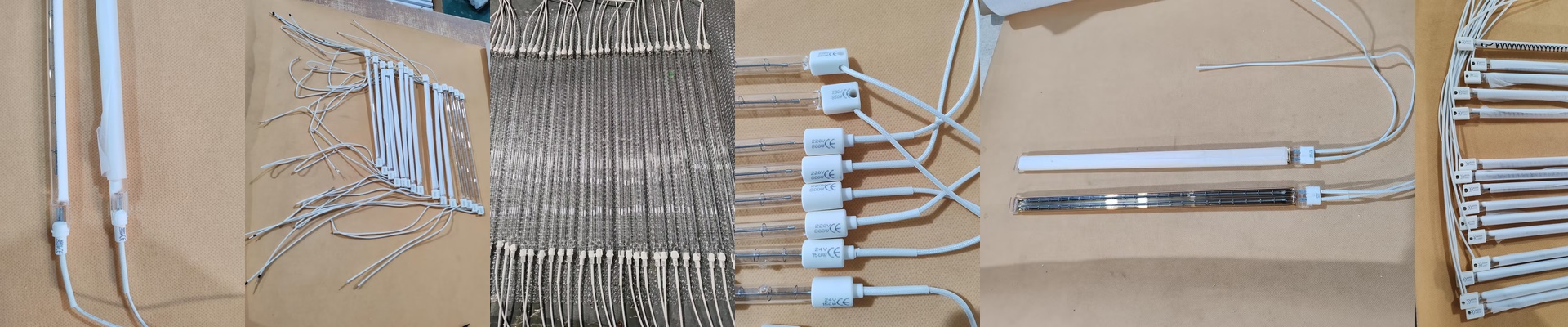
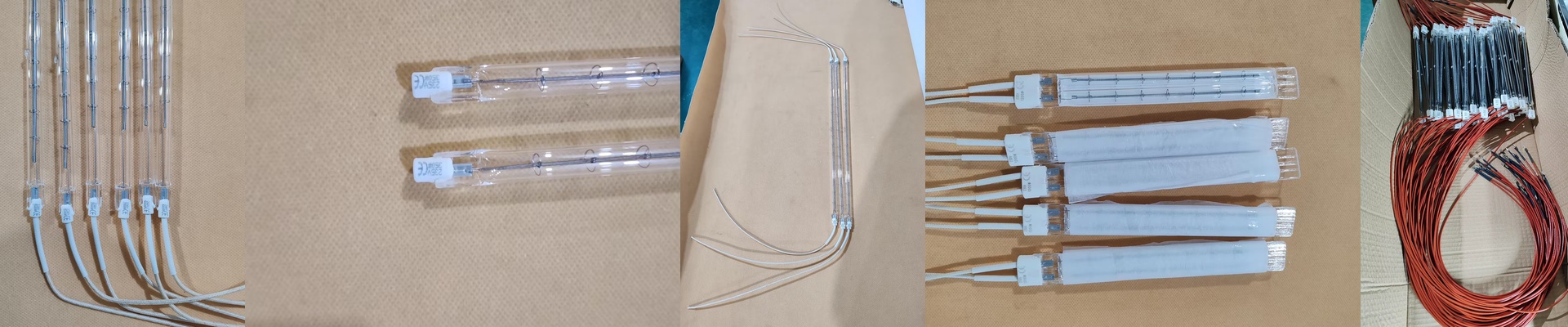
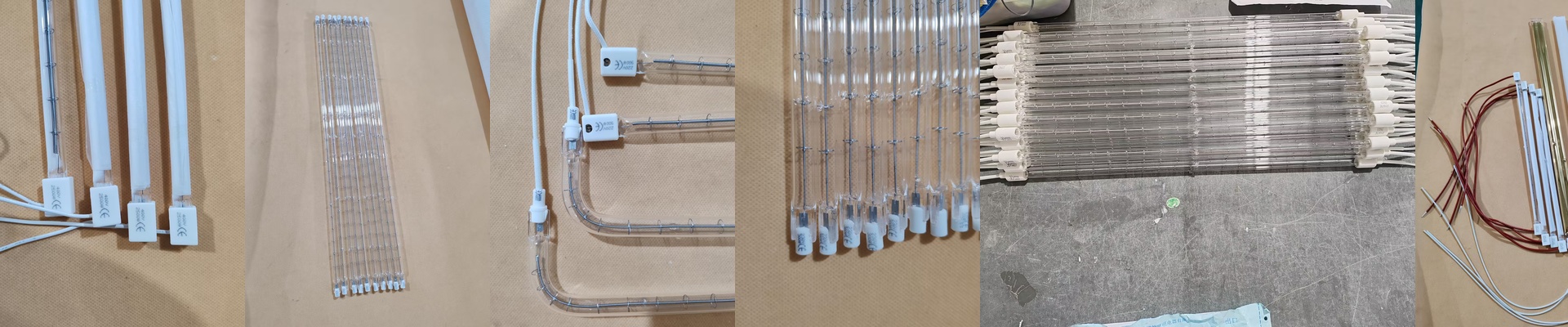
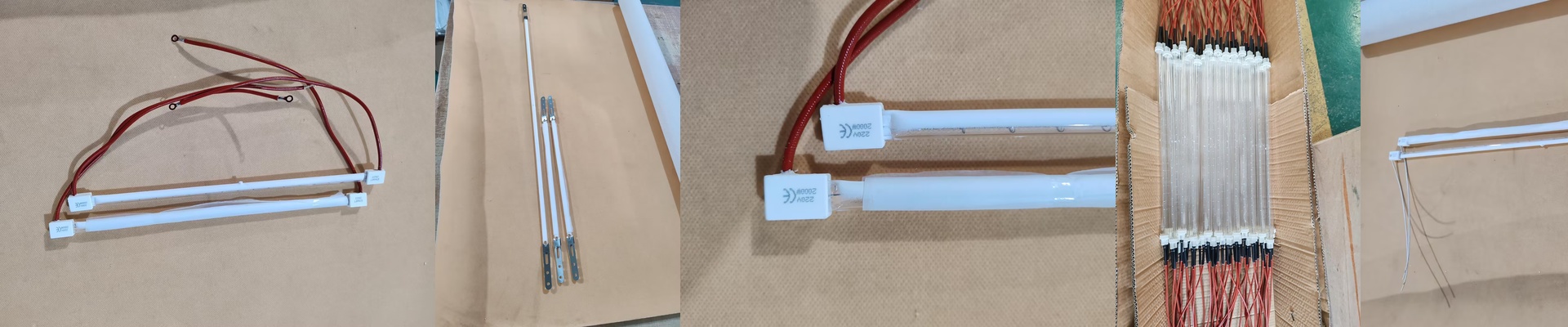
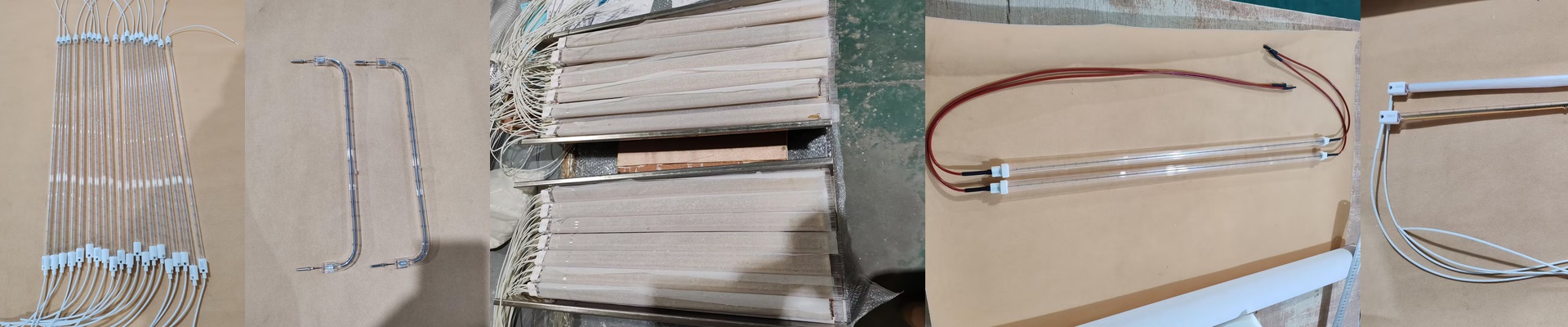
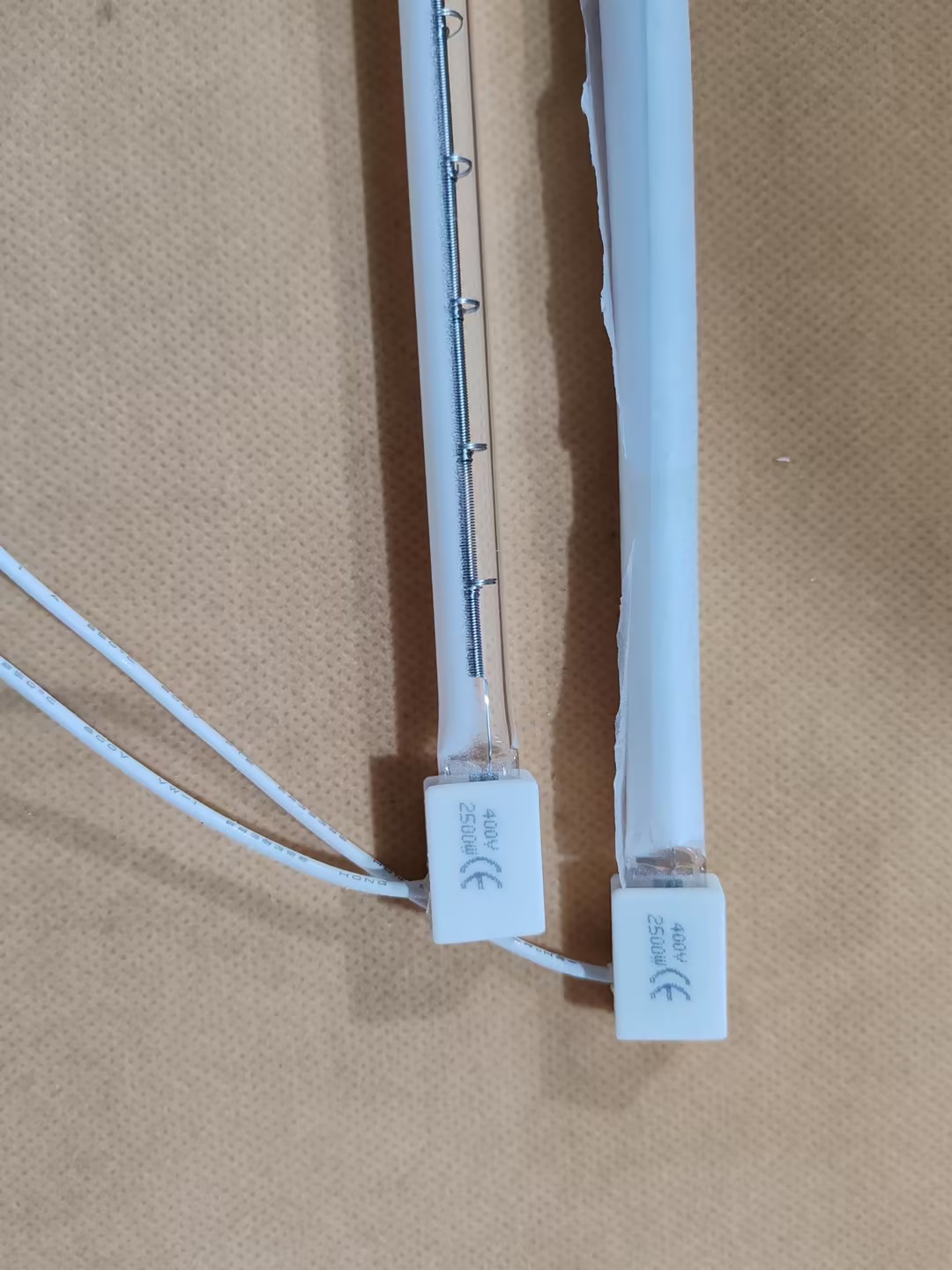
Ever feel like you’re wasting half your heat? That’s the problem with standard clear quartz tubes—they throw heat in every direction, including right back into your own machinery. Our reflector lamps fix that. By using a parabolic or ellipsoidal mirror, we push all that infrared energy forward. It’s a smarter way to work. Your workpiece gets the heat it needs, and your housing stays cool. Let’s talk power. We can tweak the wattage and voltage to fit whatever space you’re working with. If you need a lightning-fast warm-up, go for high wattage. If you’re worried about bulky wiring, high-voltage setups are the way to go since they draw less current. But here’s a pro tip: high power puts a lot of stress on the quartz.**Keep your reflectors clean.**Seriously. A little bit of dust can create a hot spot, and that’s the fastest way to burn out a tube. What’s happening inside the lamp? Inside, we’ve got a tungsten filament tucked into a halogen gas mix. This is key because it stops the filament from evaporating and clouding up the glass. It keeps the light clear and the heat consistent for a lot longer. For the plugs, we usually stick with R7s or Sk15 bases. They just work. They slide right into most industrial heaters and stay snug, so you don’t have to worry about electrical arcs when things start heating up and expanding. Putting them to work You’ll see these all over the place—PET blowing, plastic welding, curing lines. Because the heat is focused, you can get the lamp closer to your part without accidentally melting your support frames. Just be careful with your alignment. If the lamp is off-center by even a couple of millimeters, you’ll get uneven heating. It’s a small gap, but it makes a huge difference. And one last thing: balance your power load across the bank. You don’t want to blow a fuse the second you flip the switch.