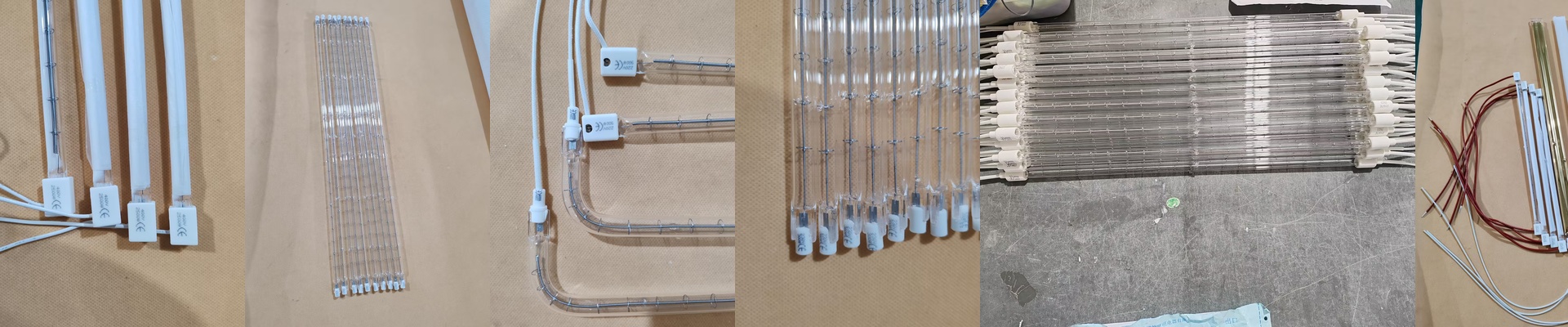
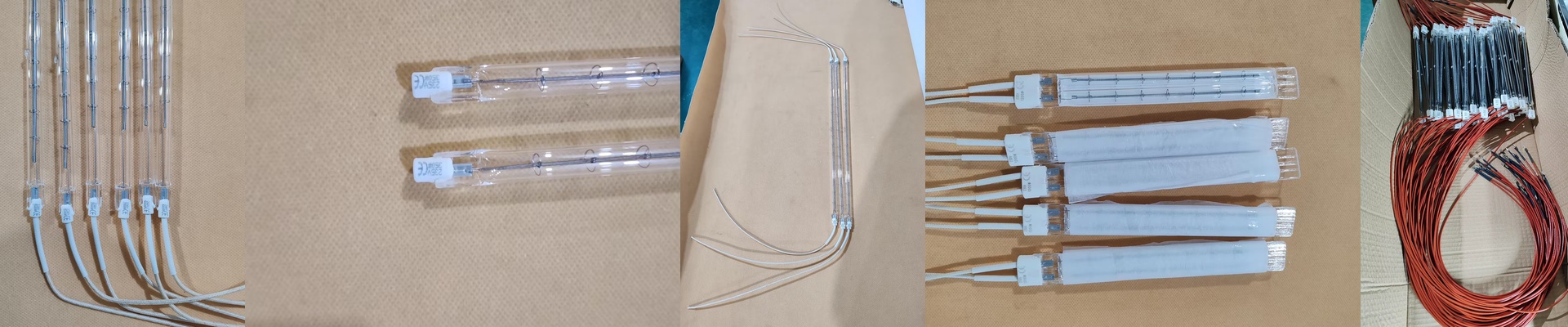
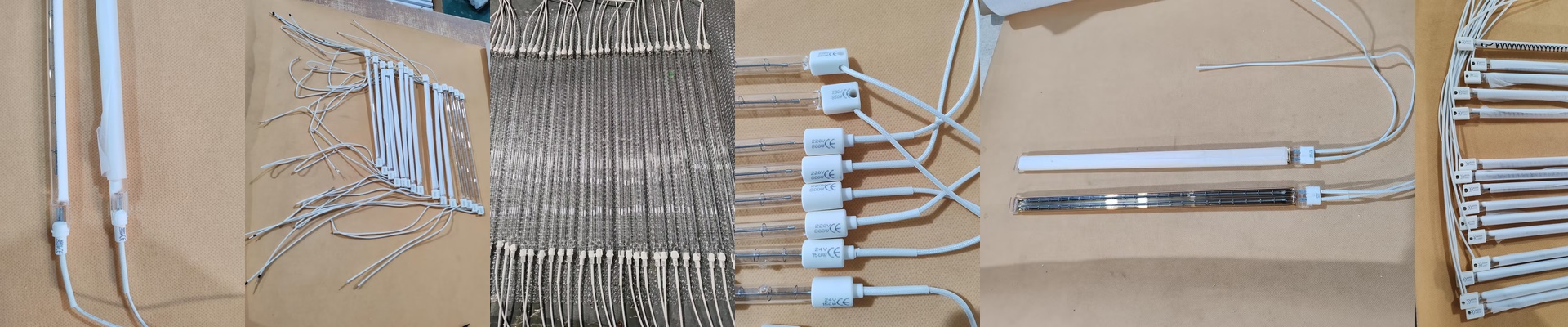
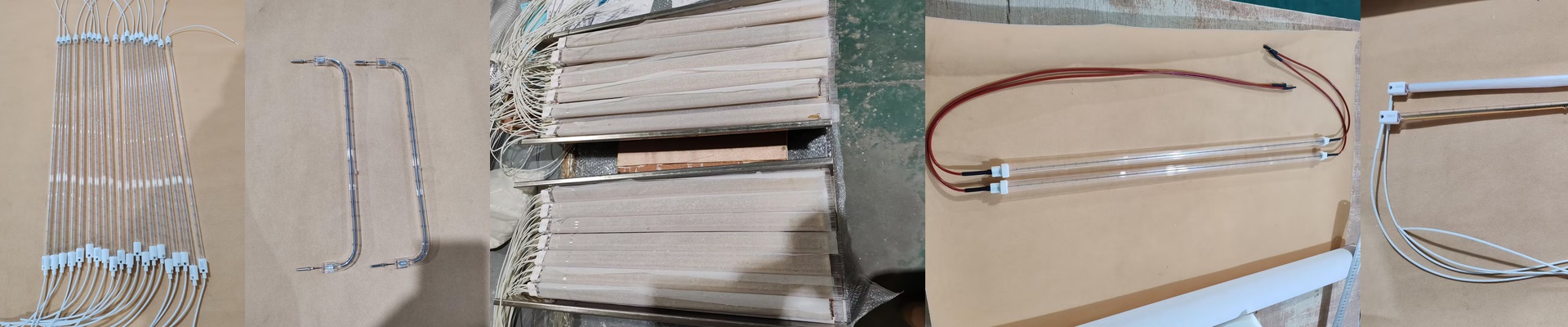
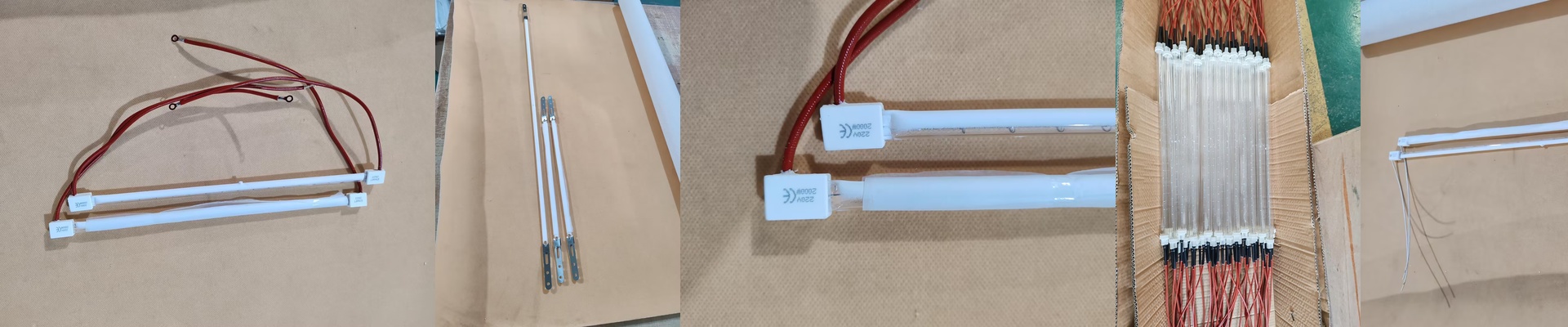
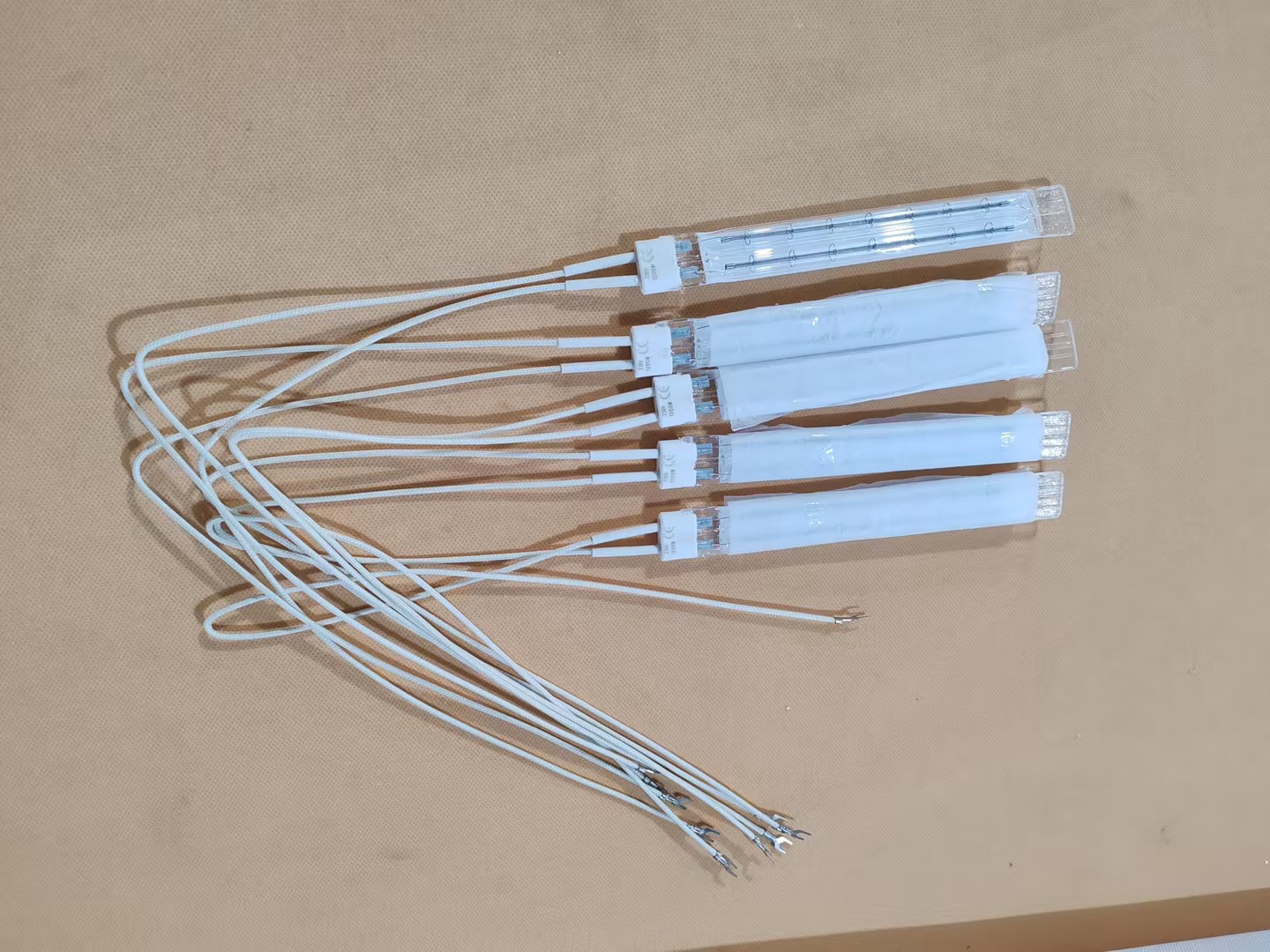
Let’s Talk About the 1000W 240V Halogen Heating Element
If you’re dealing with industrial processes that need heat—and they need it now—these 1000W 240V halogen lamps are your best bet. They don’t just warm up the surface of whatever you’re working on. They use short-wave infrared, which means the energy actually sinks deep into the material. It’s a different kind of heat. Much more efficient.
The Power Side of Things
We went with a 1000W rating at 240V for a reason. It fits right into most standard industrial power grids. You don’t have to mess around with giant, clunky transformers just to get things running. The best part? These things hit their operating temperature in seconds. It’s fast. Really fast. And that changes everything for your production line because it kills those annoying wait times. But a word of caution: 1000W puts out alotof radiant heat. Don’t cut corners on your housing or reflectors. If you do, you’re looking at melted sockets and fried wiring, and nobody wants to deal with that.
Why Quartz and Halogen?
Inside the tube, there’s a tungsten filament wrapped in a quartz envelope and filled with halogen gas. This creates a little loop—a “halogen cycle,” if you will. Here’s how it works: as the filament starts to evaporate, the gas basically pushes that tungsten right back onto the wire. This stops the quartz from turning black and keeps your heat output steady for thousands of hours. Plus, the quartz glass can handle the shock of being flipped on and off rapidly without cracking. Just one tip: if your shop is full of oil or chemical mists, those tubes will pit and burn out way faster.**Keep them clean.**It’s a simple step, but it saves you a lot of money.
Putting Them to Work
These are usually a simple drop-in fix for things like PET blowing, plastic welding, or drying tunnels. Since they run on 240V, your team can probably wire them up without breaking a sweat. You’ll get that deep penetration into polymers that you’re looking for. Just make sure your cooling fans are actually big enough to handle the heat buildup around the array. You don’t want your equipment cooking itself while it’s trying to cook the product.