Let’s Talk About Industrial Halogen Heating Lamps
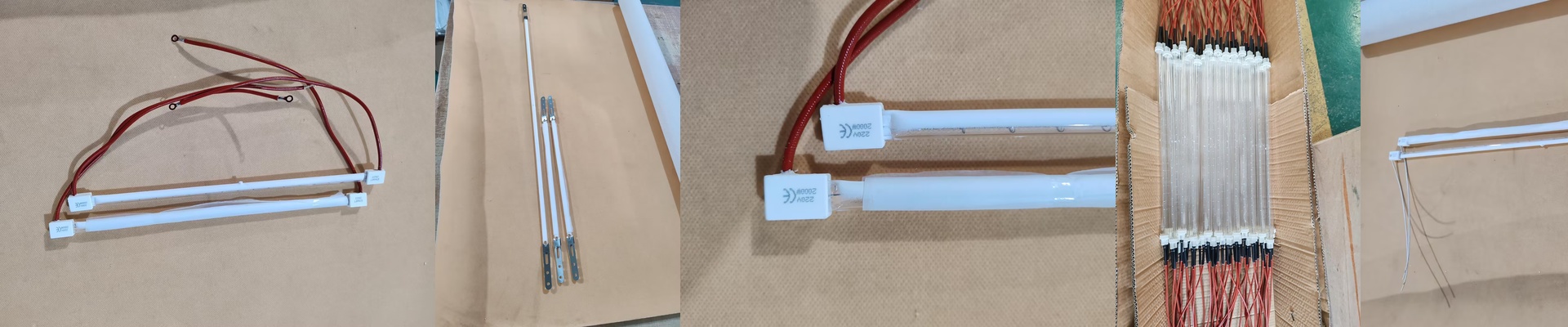
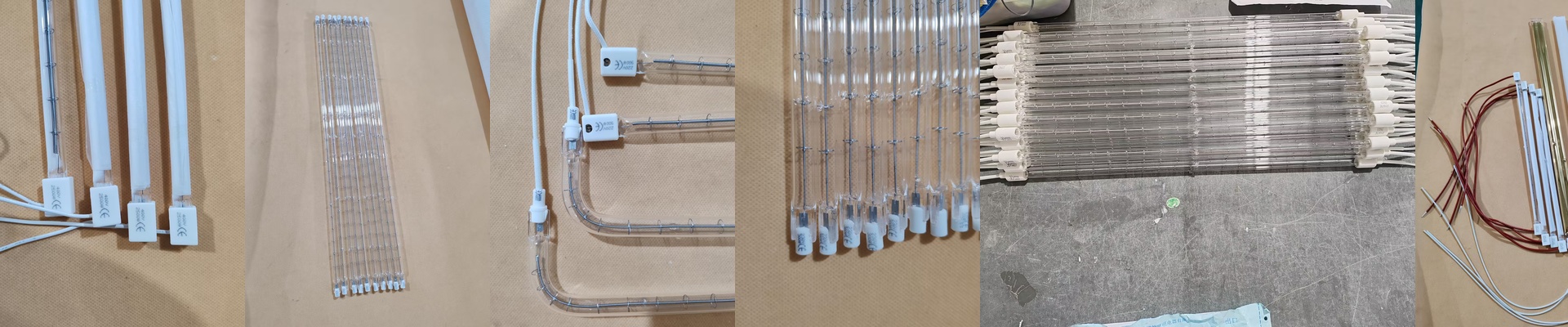
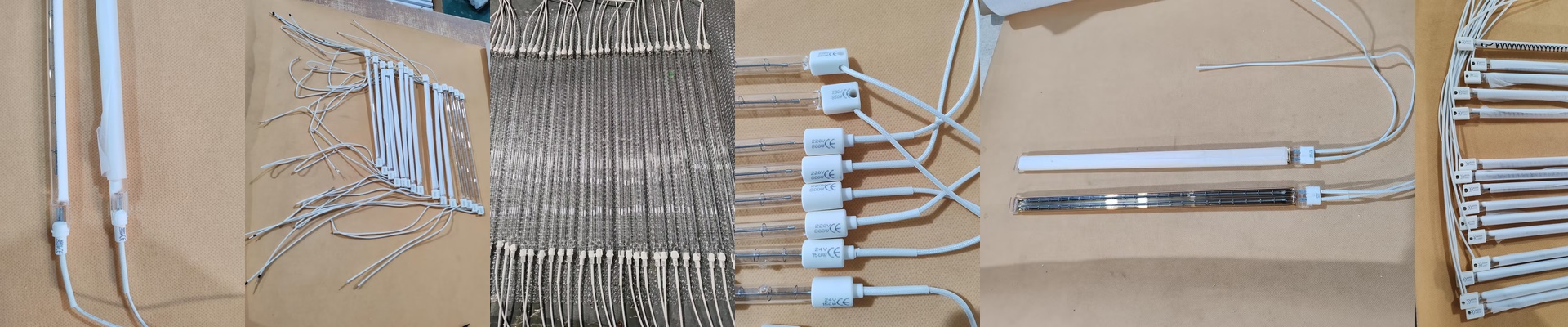
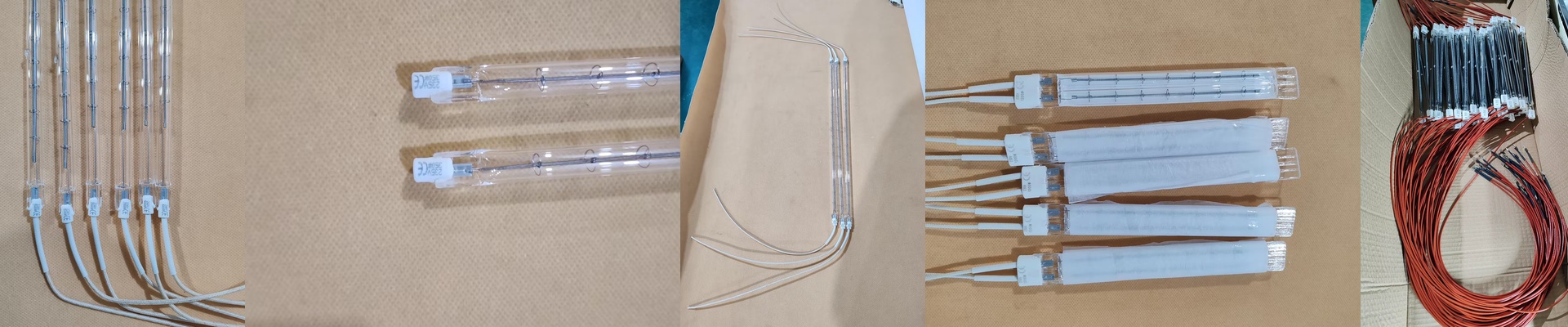
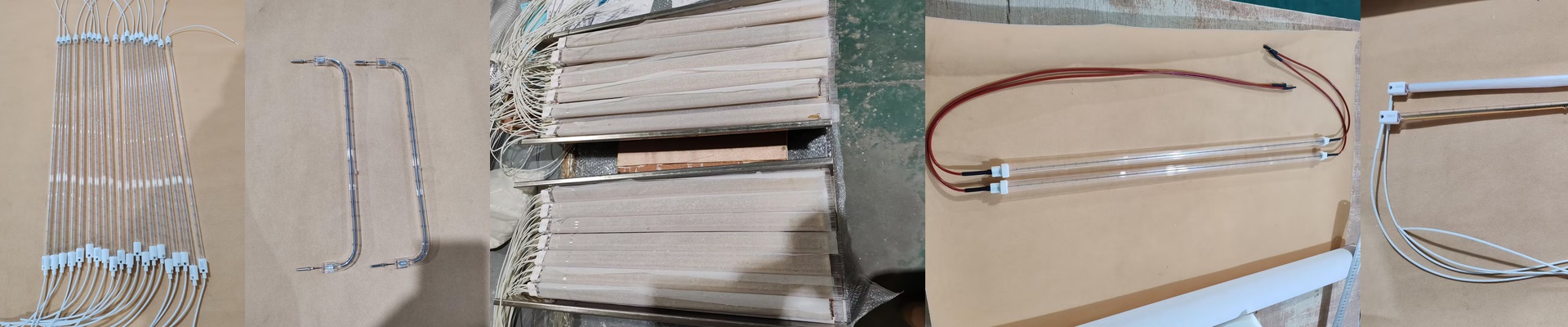
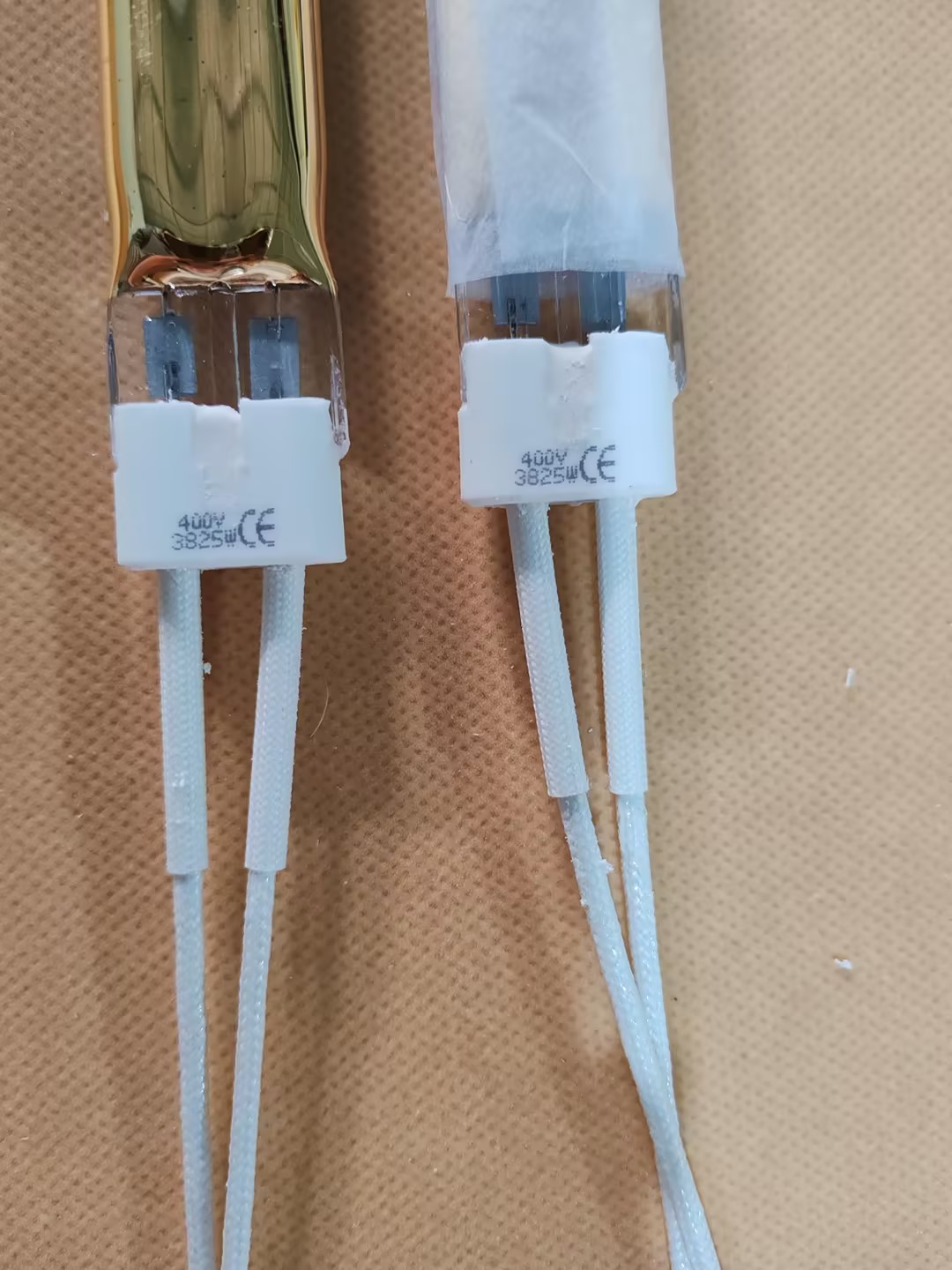
Ever wonder why some heating lamps just last longer than others? It mostly comes down to the chemistry inside. We use a tungsten filament wrapped in a quartz envelope and fill the whole thing with a halogen gas mix. Here’s the secret: that gas stops the tungsten from evaporating and sticking to the glass. No cloudy buildup means the tube stays clear, and you aren’t replacing bulbs every few weeks. Picking your power When you’re spec-ing out a lamp, you’re basically balancing voltage and wattage to get the heat you need. If you go with a high-voltage setup—say, a 400V tube—you can cram more wattage into a smaller space compared to a 230V one. It’s fast. Really fast. Your ramp-up times drop significantly. But there’s a catch. High-wattage tubes are tough on your wiring and contactors. You’ve got to make sure your power supply can handle that initial “hit” of inrush current, or you’ll be looking at a burnout way sooner than you’d like. The build and the plugs We use high-purity quartz because it doesn’t freak out when the temperature swings wildly. You can go with clear quartz, or if you need to hit a specific material without wasting heat, we’ve got coated versions that shift the emission spectrum. As for the plugs, we usually stick with R7s or SK15 connectors. They’re pretty much the industry standard, so they’ll slide right into most industrial ovens. They fit tight, too, which is great because the last thing you want is a lamp wiggling loose while the machine is shaking. One quick tip: check your sockets. Don’t use cheap plastic. A 2000W lamp puts out a massive amount of heat, and cheap plastic will just melt into a puddle. Putting them to work You’ll see these all over PET blowing and shrink-wrapping lines. Because they use short-wave radiation, the heat sinks deep into the plastic almost instantly. It lets you heat the core without scorching the outside of your product. If you’re running a high-speed line with tight tolerances, this speed is a lifesaver. Just do me a favor:**keep your reflectors clean.**A layer of dust or grime kills your efficiency. It forces the lamps to run hotter than they need to, which just wastes energy and wears them out faster.