Why Your Heaters Actually Burn Out (It’s Not Just Bad Luck)
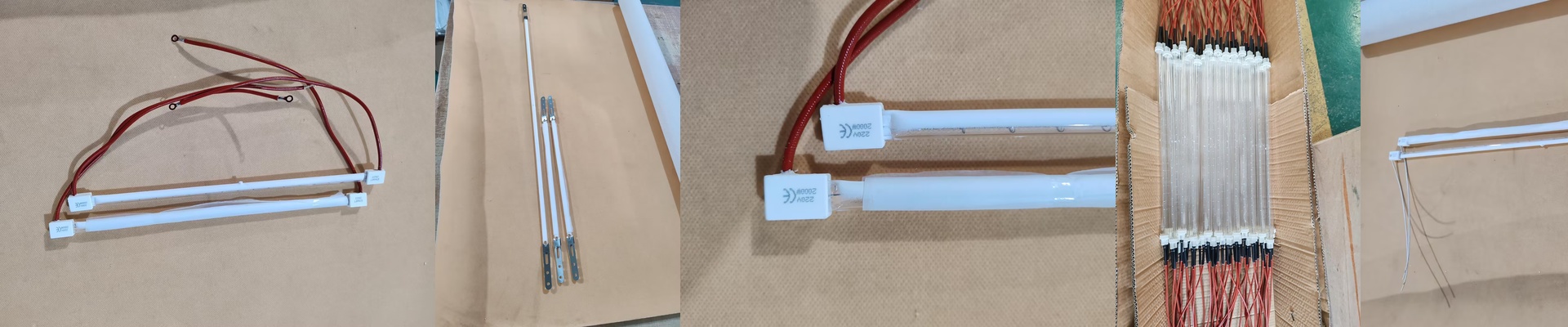
Most people think a quartz tube is just a quartz tube. If the measurements fit the slot, it should work, right? Not exactly. We’ve spent a lot of time making sure our heaters hold their own against the big three domestic brands. To do that, we had to stop looking at the “specs” and start looking at the actual ingredients: the glass and the wire.
The truth about the filament
Here’s the thing about filaments: they don’t just “snap.” They evaporate. When you’re running high thermal loads, cheap tungsten thins out way too fast. This creates hot spots—basically weak points that act like a countdown timer until the whole thing pops. We use a higher grade of tungsten with a specific grain structure. It keeps the resistance steady for thousands of hours, so you aren’t replacing tubes every few weeks.
Glass matters more than you think
Then there’s the glass. We use high-silica quartz because the cheap stuff is full of impurities. If your glass isn’t pure, it starts to cloud up or—even worse—crack the moment you cycle the power. But it’s not just about the cracks. There’s this thing called the halogen cycle where evaporated tungsten actually moves back onto the filament. If the glass is contaminated, that cycle breaks. The lamp dies. Simple as that.
A quick word of caution
Now, just because these are built to last doesn’t mean they’re invincible. I see people try to “hack” their heat-up times by over-volting the tubes. Don’t do that. No matter how good the materials are, if you push too much power through them, you’re just blowing the filaments. Make sure your transformers are dialed in correctly. We designed these to be easy, drop-in replacements for industrial lines. You get the same steady heat and the same fit, just without paying the “big brand” tax. It really just comes down to the raw materials. Get the glass right, get the wire right, and the tubes actually last.