Can you actually shave 20% off your power bill by swapping out those old heating elements?
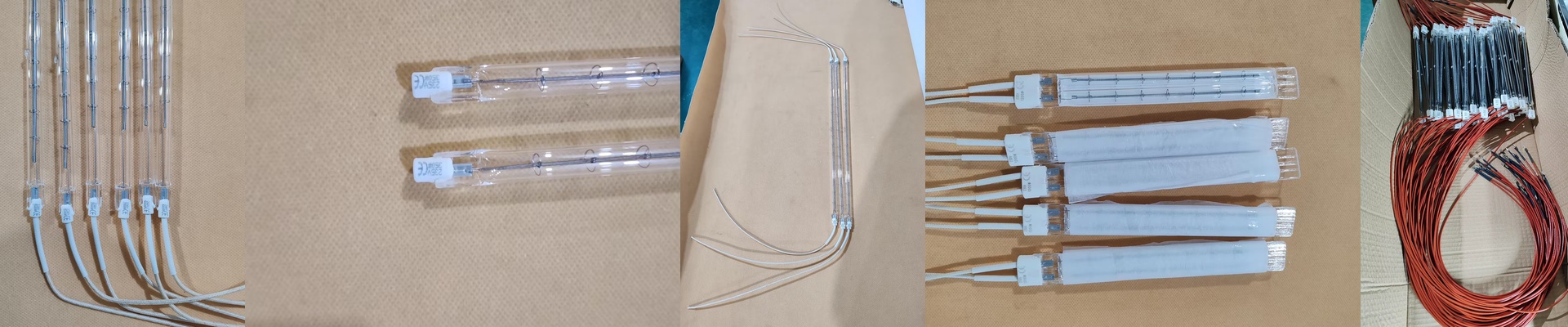
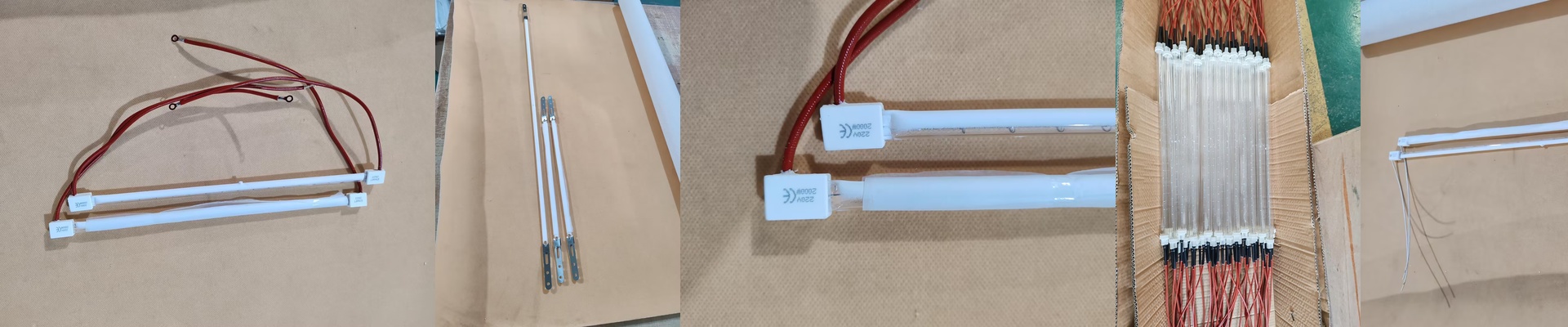
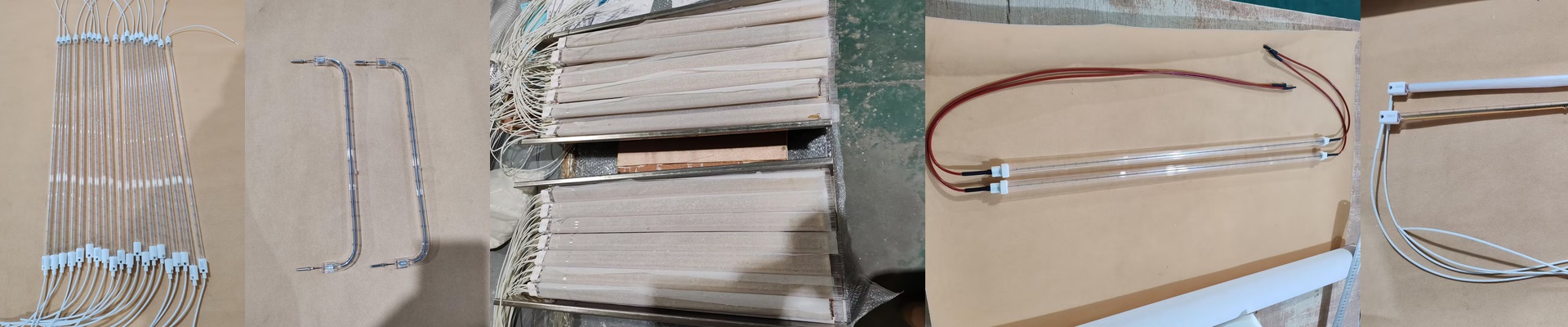
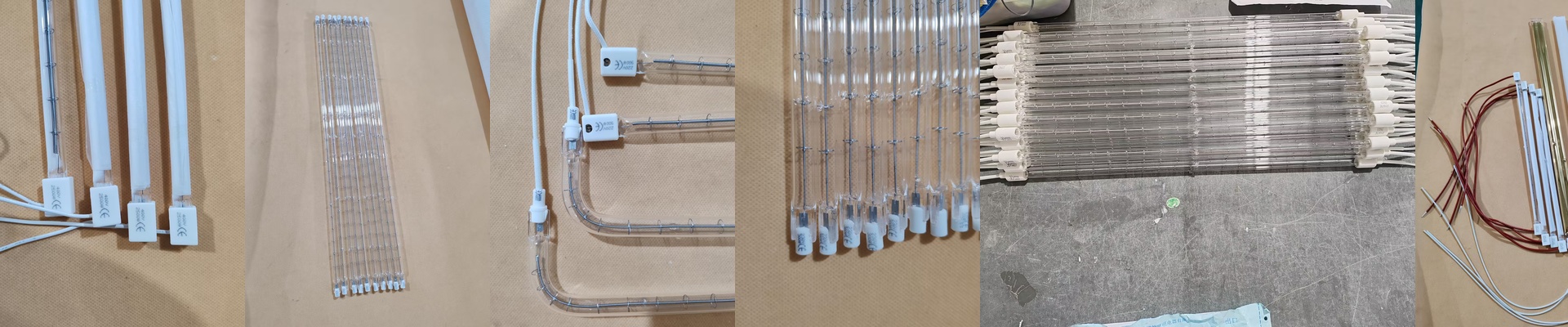
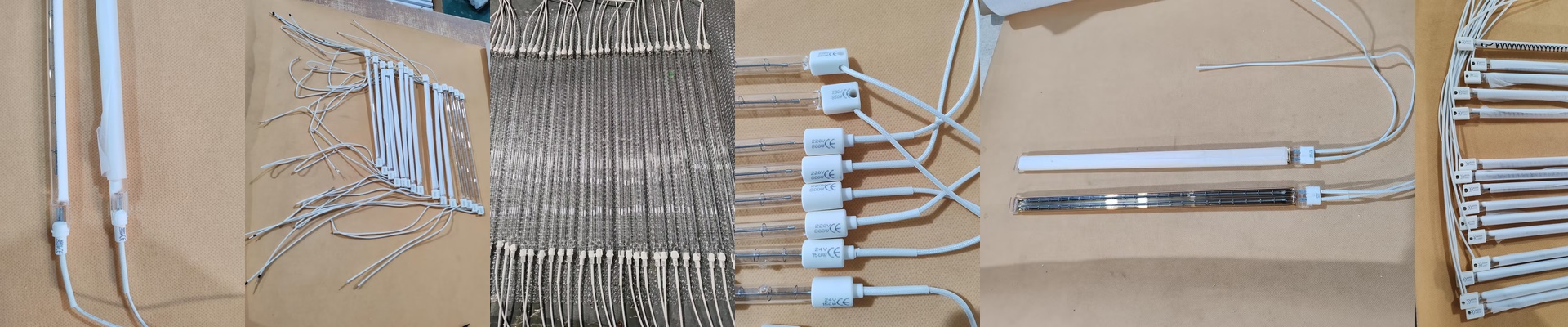
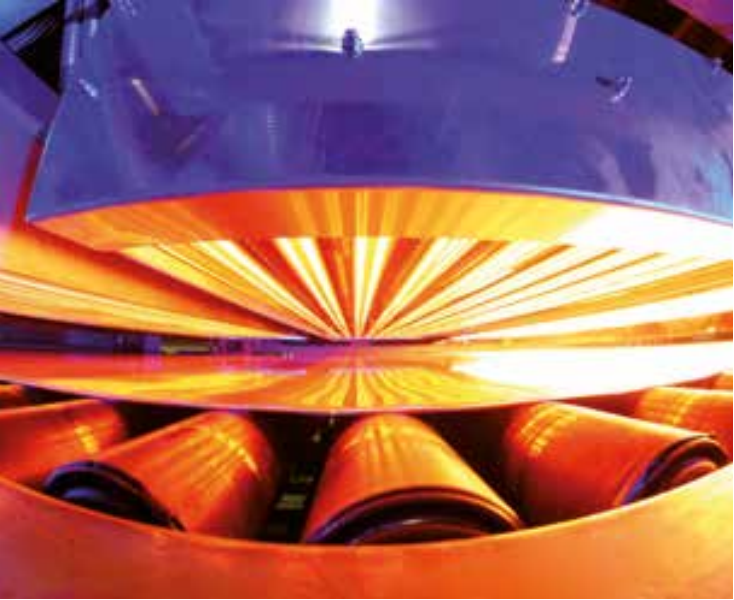
Let’s be honest: most plastic processing lines are running on tunnels that are way past their prime. They’re basically giant energy leaks. If you’ve been wondering whether swapping out your old lamps for modern quartz heaters can actually hit that 20% savings mark, the answer is: probably, but it’s not just “plug and play.” It all comes down to how the heat actually hits your product. Here is the deal with the physics. Those old tunnels usually rely on resistive heaters or first-gen IR lamps. The problem is they spend half their time heating up the metal chassis of the tunnel itself. It’s a waste. We use high-density quartz infrared elements instead. Because they use short-wave or medium-wave radiation, the heat goes straight into the plastic. It doesn’t sit around waiting for the air to get hot first. You get a much faster warm-up, and you stop burning power just to keep the air in the room warm. But you can’t just grab any lamp off a shelf and hope for the best. We have to look at your specific footprint. If we put in higher-wattage tubes to use fewer elements, you’re pumping out more heat flux. That means you’ll need to tweak your conveyor speed. If the belt crawls, you’ll scorch your plastic. Too fast? The core stays cold. It’s a balancing act. The best part is that this is a “drop-in” fix. You don’t have to rip out the entire tunnel and start from scratch, which saves a massive amount of headache and cash. Plus, if you’re trying to snag some green energy subsidies or document a drop in kWh for the bosses, this is the quickest win you can get. We see the biggest jump in efficiency when people move away from those old metallic sheathed heaters. Just a heads-up on the electrical side. The hardware is simple enough. You wire it into your existing controllers, but please, check your contactors. New quartz elements have an inrush current that can surprise old gear. And if your wiring is 20 years old? Give the insulation a good look before you flip the switch. Better safe than sorry.