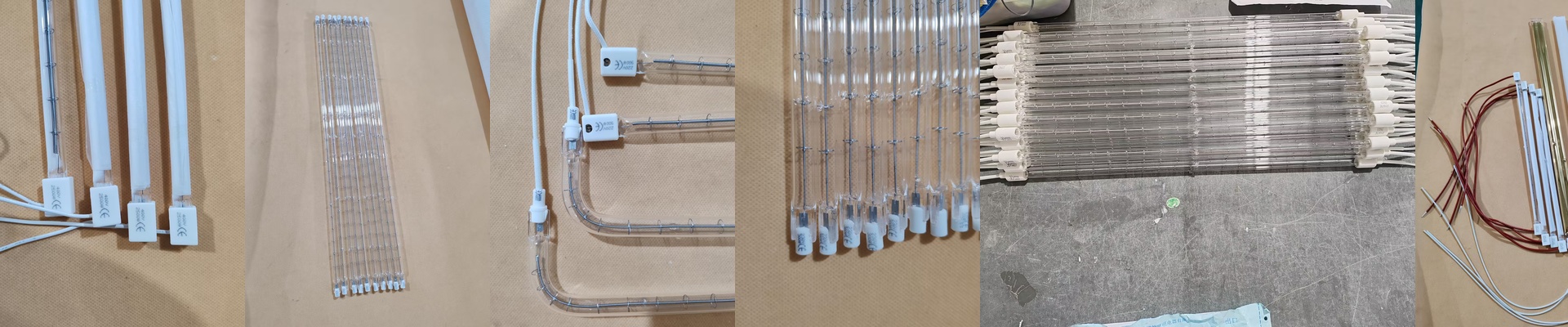
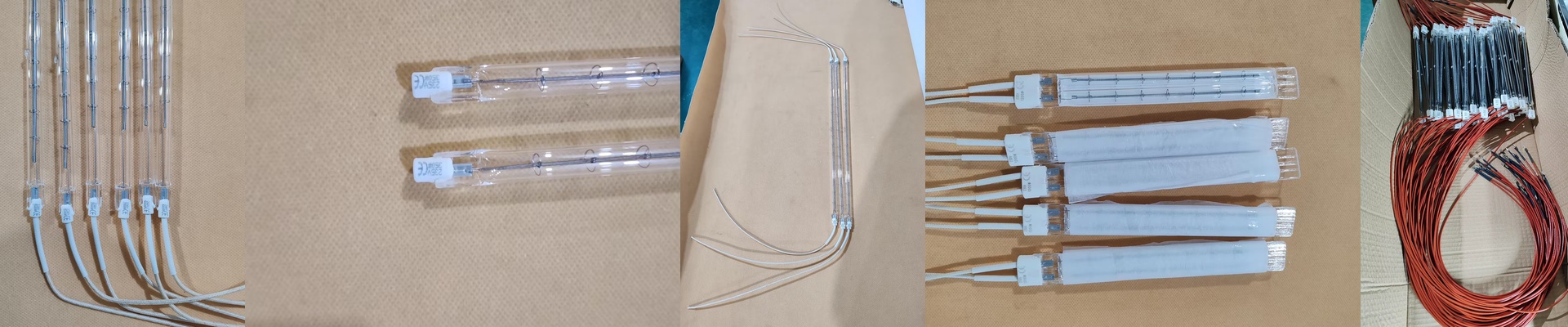
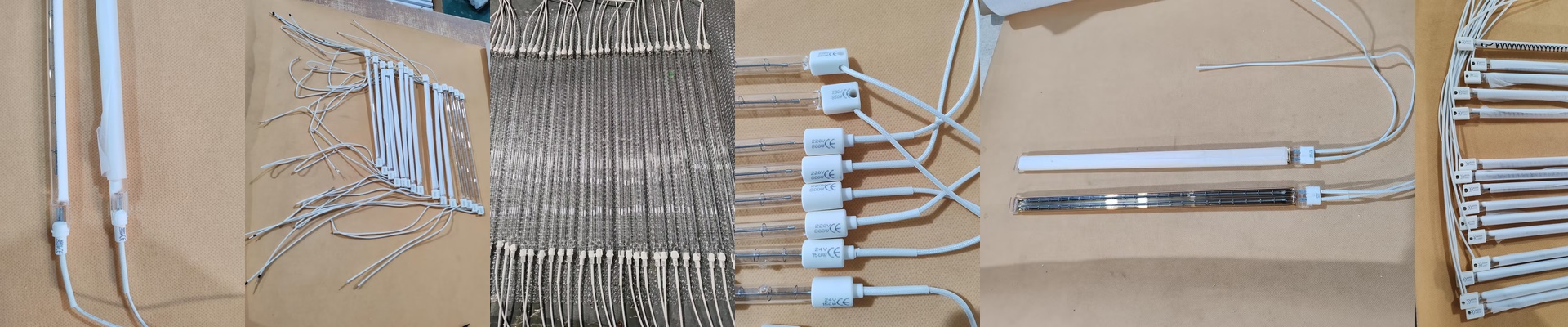
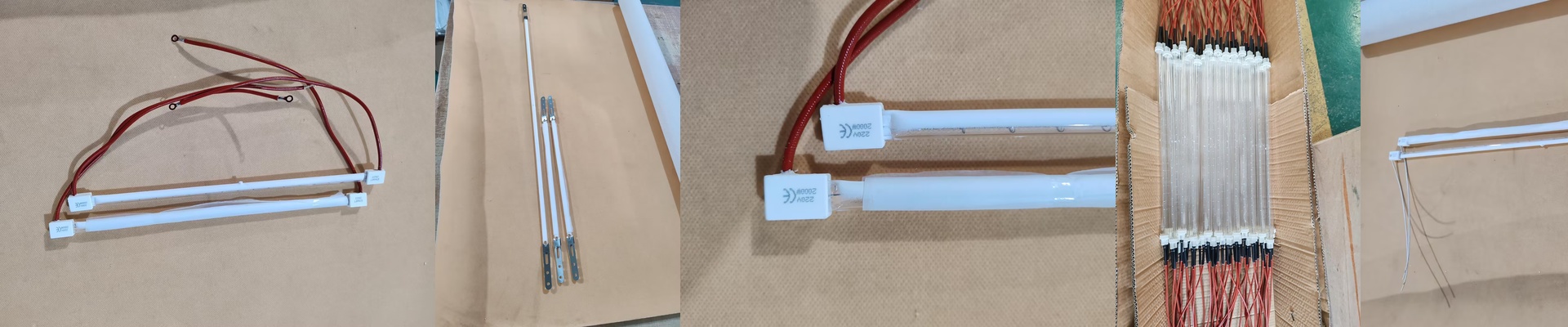
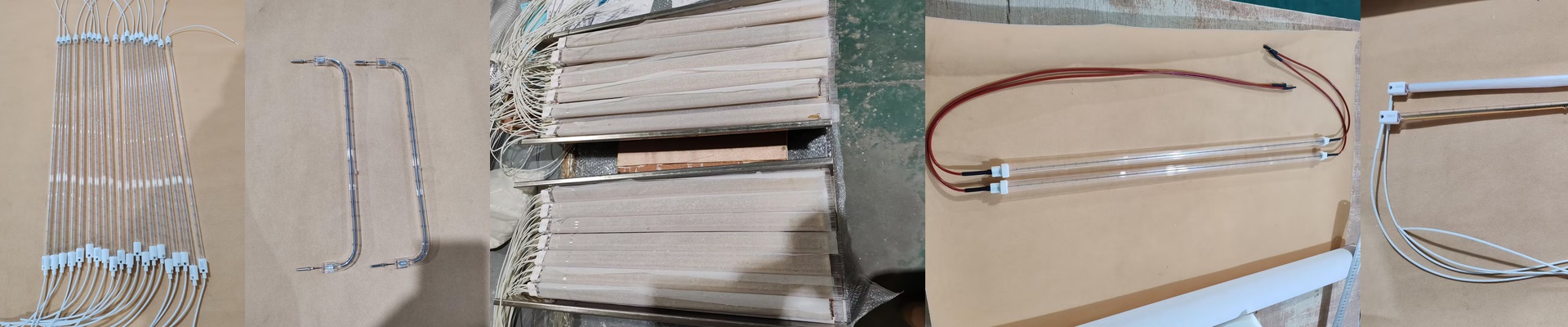

Why Some Quartz Heaters Last Years and Others Burn Out in Weeks
Here’s a common mistake: thinking that if two quartz heaters have the same wattage and length, they’re basically the same tool. They aren’t. The real difference—the reason one lamp lasts forever and the other pops after a few uses—comes down to the stuff they’re actually made of. Specifically, the purity of the glass and the grain of the filament. The secret is in the filament We use the same high-grade tungsten you’ll find in those big-name domestic brands. Now, here is the thing about filaments: they evaporate. It’s just physics. But if the tungsten is “dirty” or has impurities, you get these annoying hot spots. Those spots thin out way faster than the rest of the wire, and that’s exactly where the lamp snaps. By keeping the grain size tight and the purity high, the wear happens evenly. That’s why our tubes don’t just “work”—they actually last. Don’t overlook the glass Then there’s the quartz itself. We use high-purity fused quartz because cheap glass is risky. Low-grade glass has these tiny, invisible imperfections. When the lamp heats up, those little bits expand at different speeds, creating internal stress. One day, it just cracks. Plus, purity affects your heat. If the glass is cloudy or low-quality, your heat leaks out into the air. High-purity quartz lets the infrared energy punch straight through to your workpiece, right where you need it. Finding the sweet spot It’s tempting to crank the wattage to the max to speed things up. It works, but there’s a catch. Pushing a tube to its absolute limit brings the filament closer to its melting point. You get your parts finished faster, sure, but you’re eating away at the lifespan of the lamp. We usually suggest balancing your voltage so you aren’t over-driving the system. It’s all about that balance between speed and stability. If you’re currently using a brand-name tube and want to switch, our specs are a direct drop-in. You get the same reliability without paying the “logo tax.” Just a quick tip: keep your housing clean. If you get oils or fingerprints on the glass, it creates a hot spot that can crack the tube instantly, no matter how high the grade is. Give it a wipe, and you’re good to go.