The Real Cost of Changing Your Lamps Too Often
Let’s be honest: nobody likes it when a heating element pops on a PET blowing or plastic forming line. It seems like a small thing—just a burnt-out bulb, right? But here’s the thing. You aren’t just paying for a new lamp. You’re paying for the crew standing around with nothing to do. You’re paying for all that scrap plastic wasted while you wait for the machine to reheat. And you’re losing out on every single bottle or part that should have been moving through the line. Those “hidden” costs are usually way more expensive than the actual hardware.
Getting the Physics Right
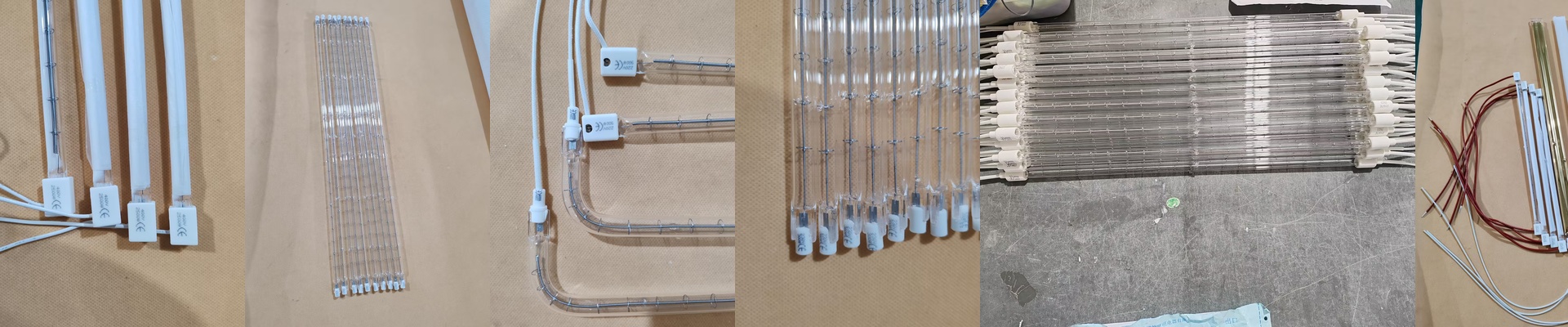
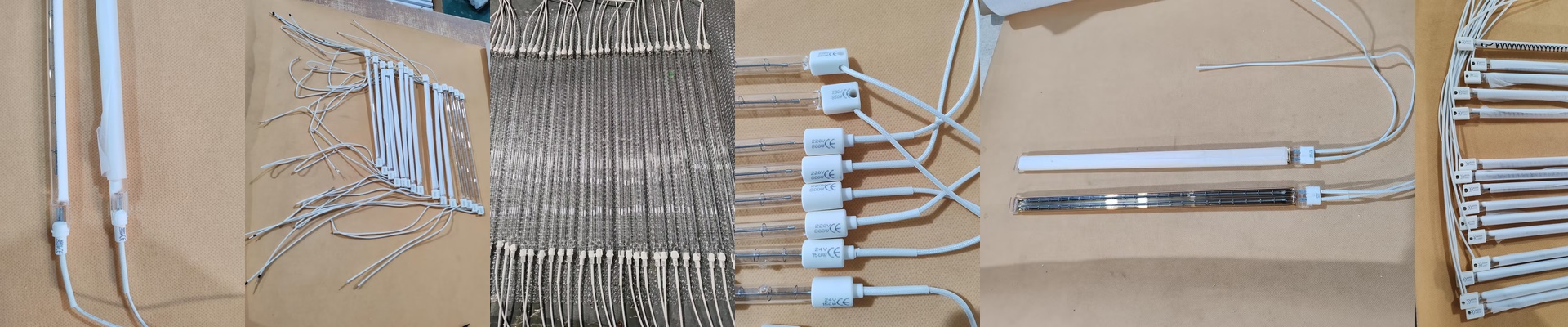
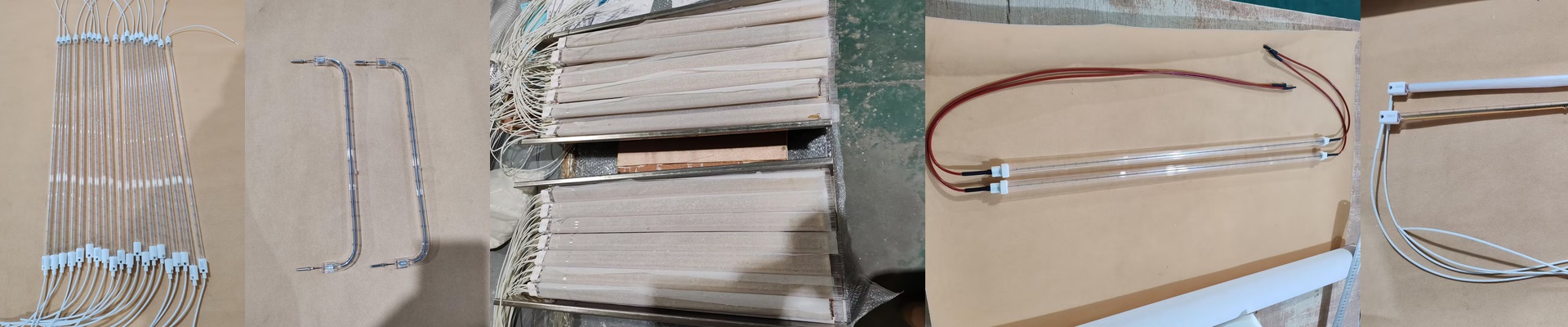
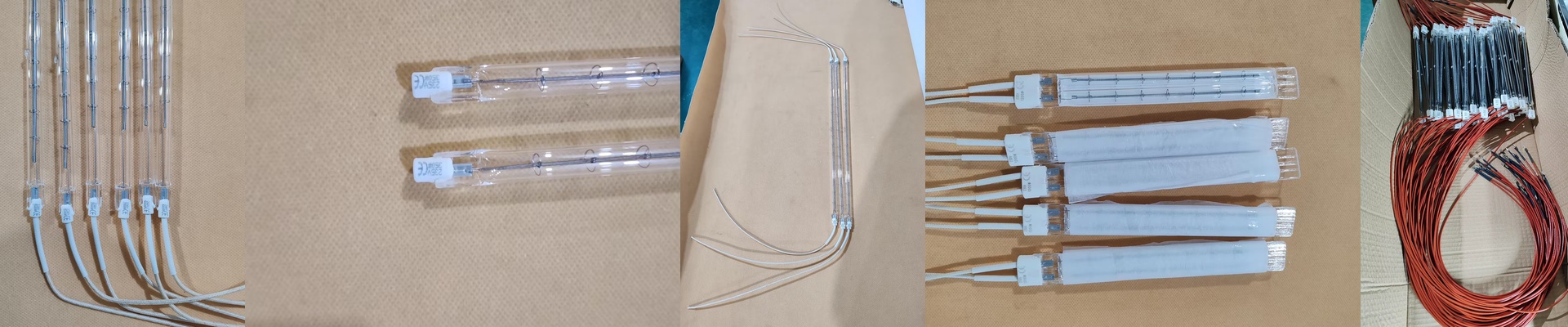
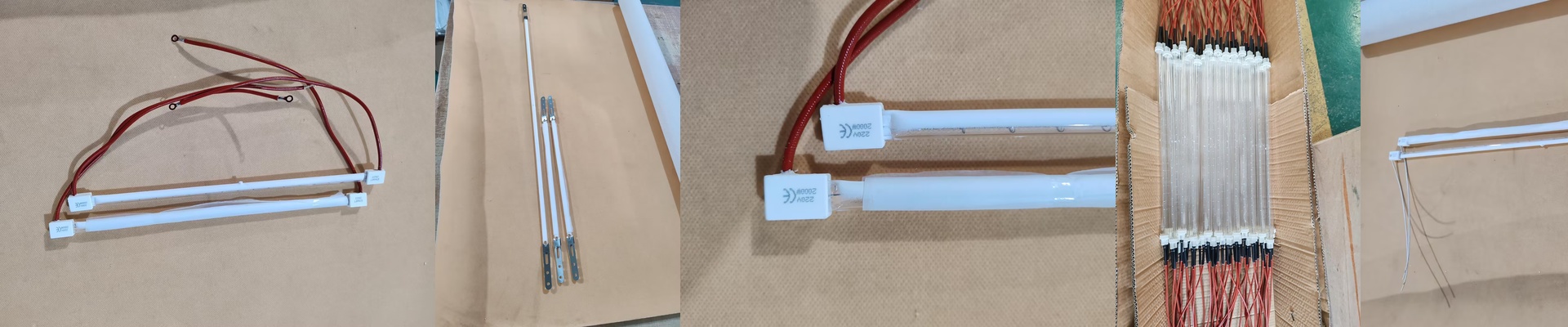
If you want to stop these losses, you can’t just grab any lamp off the shelf. You need something built for your specific thermal load. For thick-walled plastics, high-wattage shortwave IR lamps are the way to go because they punch through the material fast. But there’s a catch. We spend a lot of time balancing voltage and wattage so the filament doesn’t run too hot. If you push a lamp past its limit, it’s going to die. Plain and simple. It’s a trade-off: you can go for higher intensity to speed up your cycles, but you’ll be replacing bulbs a lot more often.
Making Life Easier on the Shop Floor
We use quartz glass with special coatings. This pushes the heat forward into the plastic instead of letting it bleed backward into the machine frame. It keeps your reflectors cleaner. It stops your cooling fans from working overtime. It just makes the whole system breathe better. And we stick to standard connectors like R7s or Sk15. Why? Because when a line stops, the last thing your techs need is to be fumbling with weird wiring or custom brackets. They should be able to pop the old one out, slide the new one in, and get the line moving again in a couple of minutes.
Boosting Your Actual Output
At the end of the day, it’s all about reliability. Imagine moving from monthly lamp changes to once a quarter. Those recovered hours go straight into your pocket. Just one tip: keep an eye on your power supplies. Voltage spikes are brutal—they’ll fry even the best halogen filaments in a heartbeat. Make sure your electrical specs actually match the lamp’s rating, or you’re just throwing money away on premature failures.