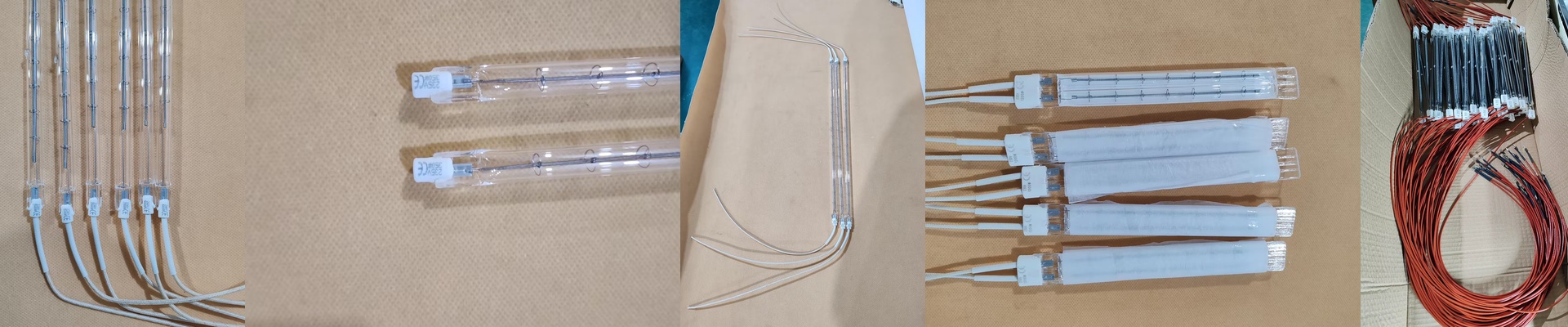
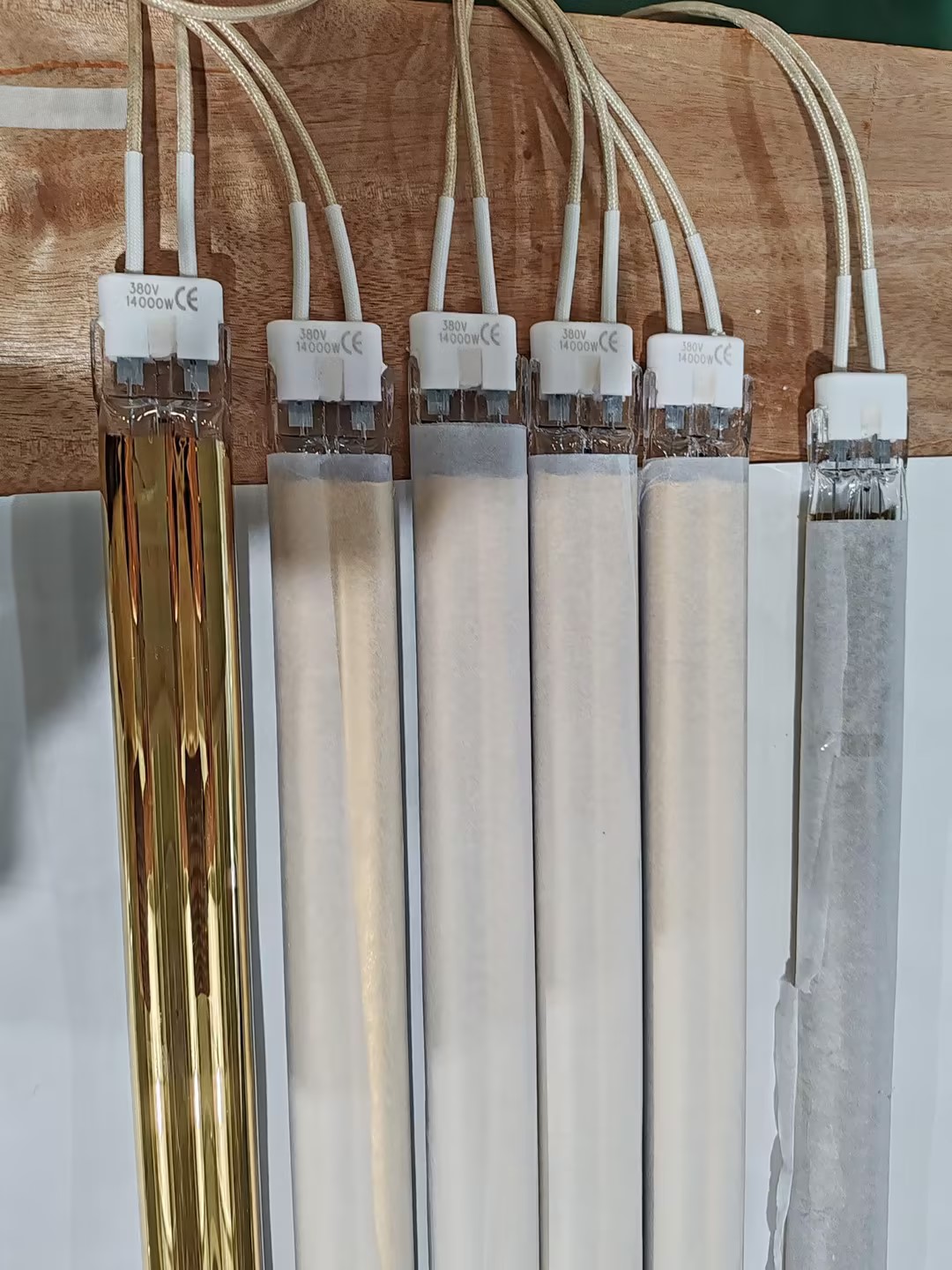
A Real-World Look at Halogen Tube Heat Lamps
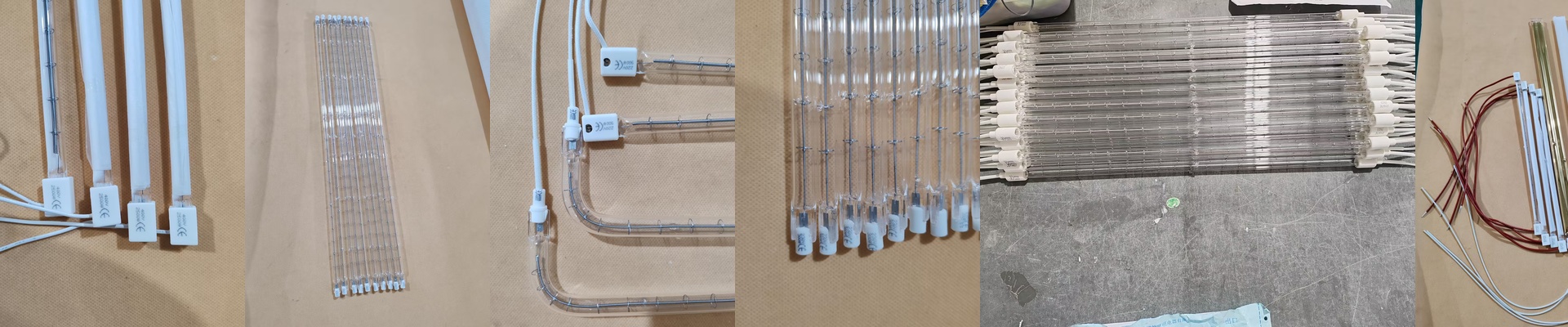
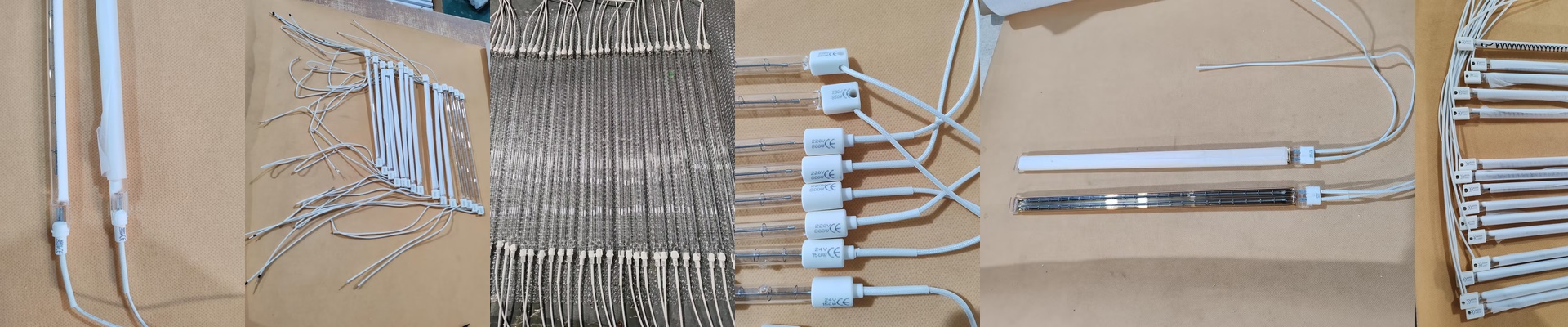
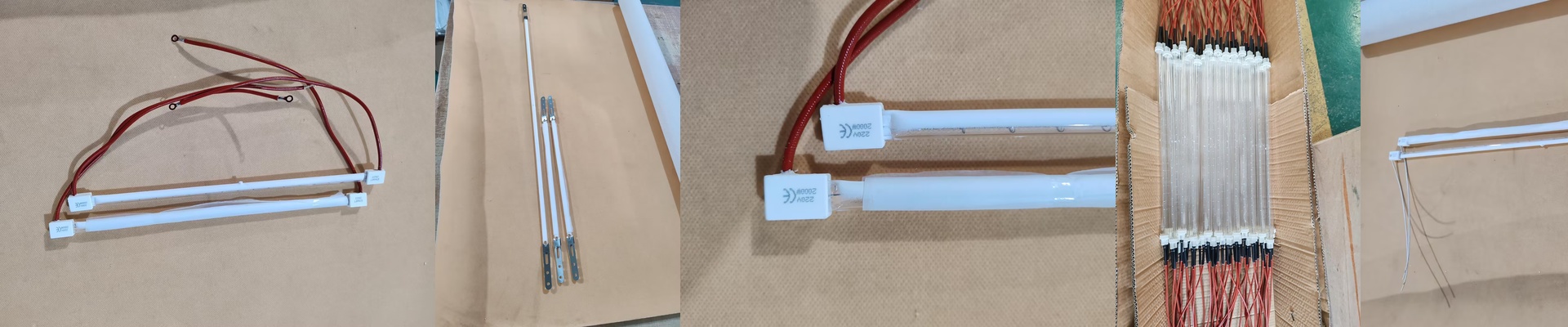
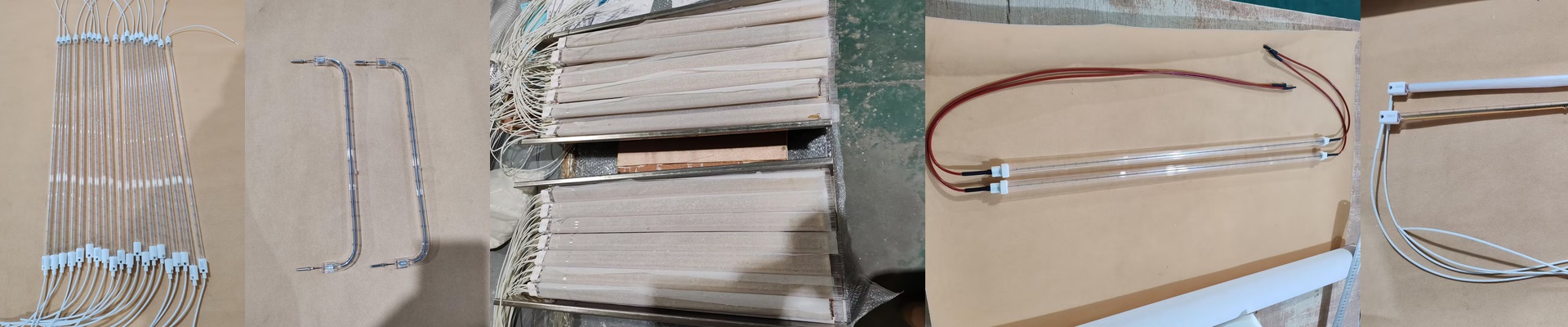
If you’re dealing with high-temp industrial work, you know the struggle of trying to get a part hot without wasting energy heating up the entire room. That’s where these halogen tubes come in. They shoot short-wave radiation straight into your workpiece. It’s direct. It’s efficient. And it saves you a lot of headache. Talking Power and Specs When we’re picking out a lamp for your setup, it mostly comes down to wattage and voltage. Here’s the thing: if you need a longer tube but don’t want the temperature to dip across the filament, you’ll want a higher voltage. But be careful. If you cram high wattage into a tiny space, things get hot—really hot. Just make sure your control system can handle that initial “cold-start” surge. If you don’t, you’ll be spending your afternoon replacing blown fuses. The Build: Quartz and Connectors We use high-purity quartz glass because it doesn’t freak out when the temperature swings wildly. Some of our tubes come coated, which is great if you need to tweak the heat spectrum for a specific material. As for the ends, we stick to R7s or Sk15 connectors. Why? Because they’re standard. They slide right in, they stay put, and they make it easy to swap a burnt-out tube in the middle of a production run without a fuss. One warning:**don’t let the connections get loose.**A loose fit leads to arcing, and before you know it, you’ve melted your housing. Not a great look. The Trade-offs You’ll see these things everywhere—PET blowers, powder coating lines, drying ovens. The best part is they hit operating temp in seconds. No more sitting around waiting for the machine to warm up. But there’s a catch. Quartz is temperamental. If you touch the glass with oily fingers during installation, you’re creating a “hot spot.” That spot will eventually cause the tube to fail way sooner than it should. So, keep the glass spotless, follow the voltage specs, and your filaments will last a lot longer.