Getting the Most Out of Your Heat: The Magic of Parabolic Reflectors
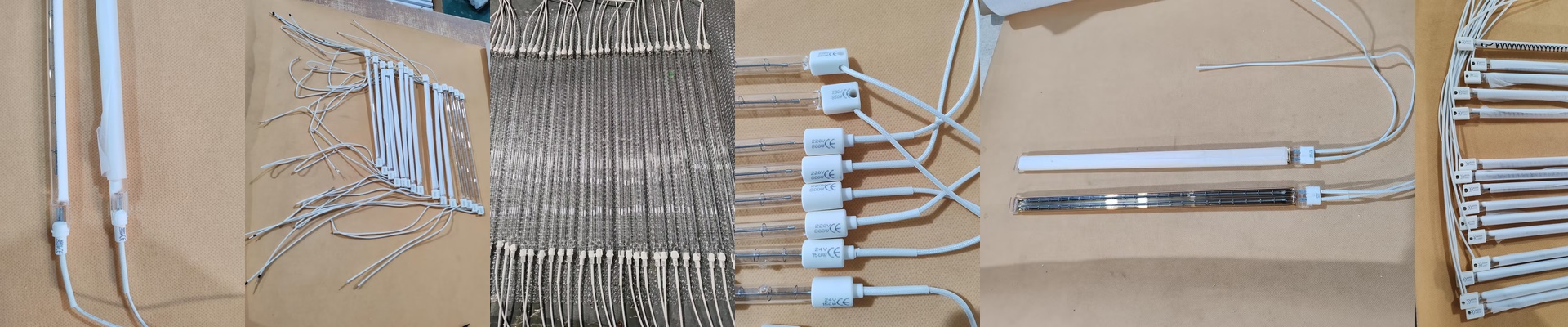
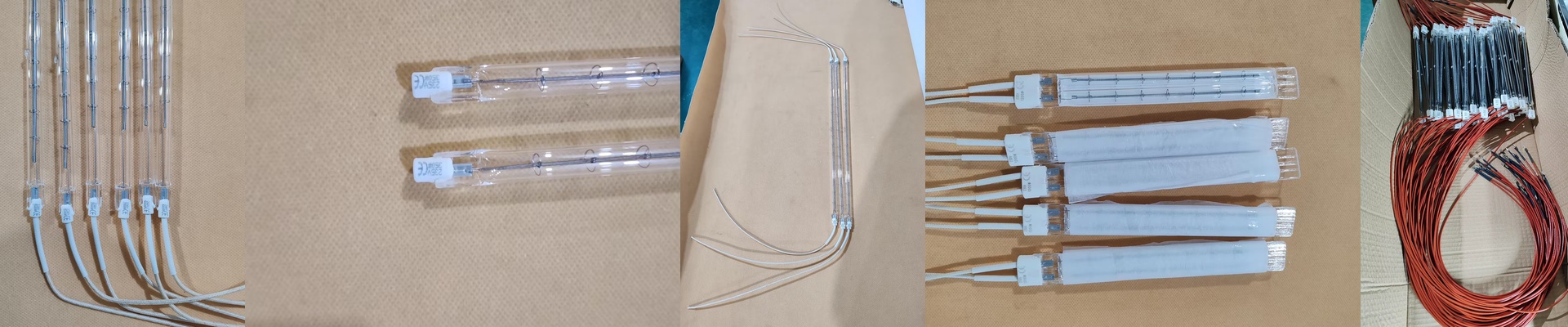
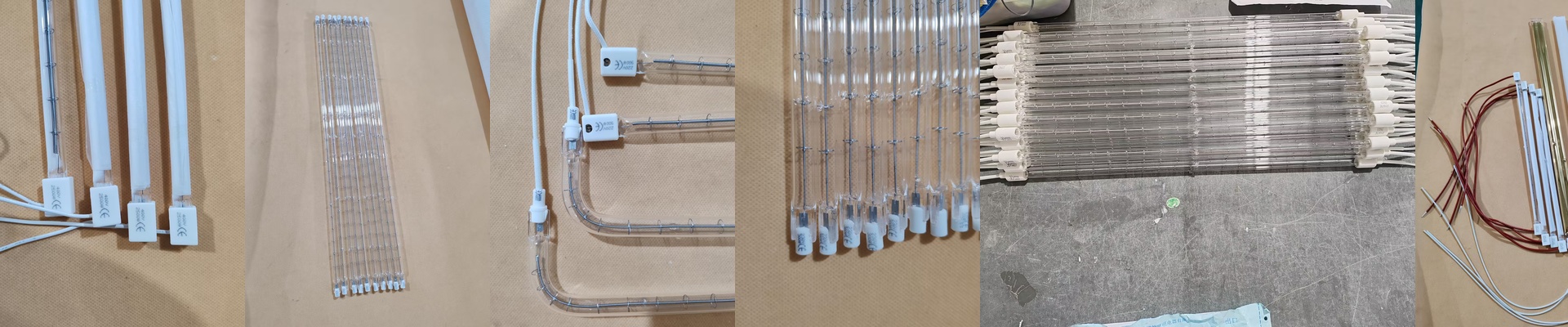
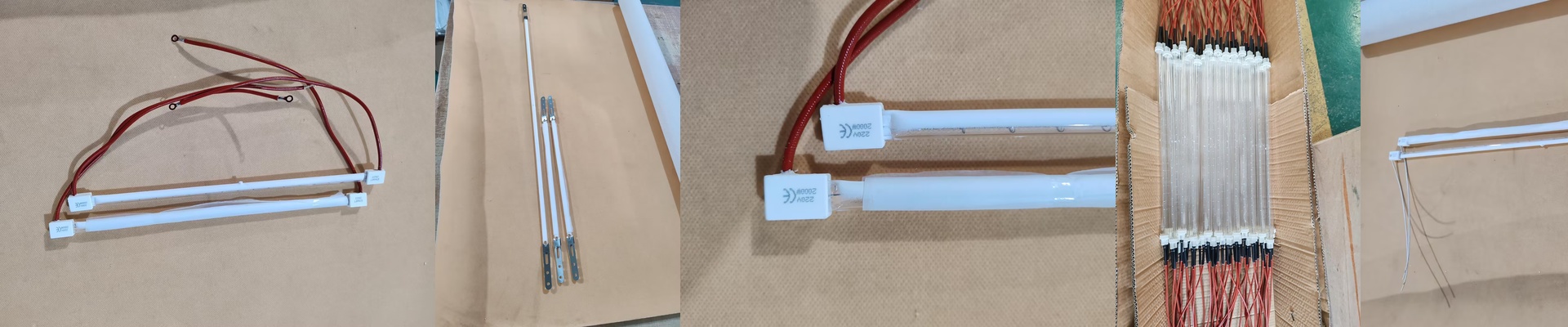
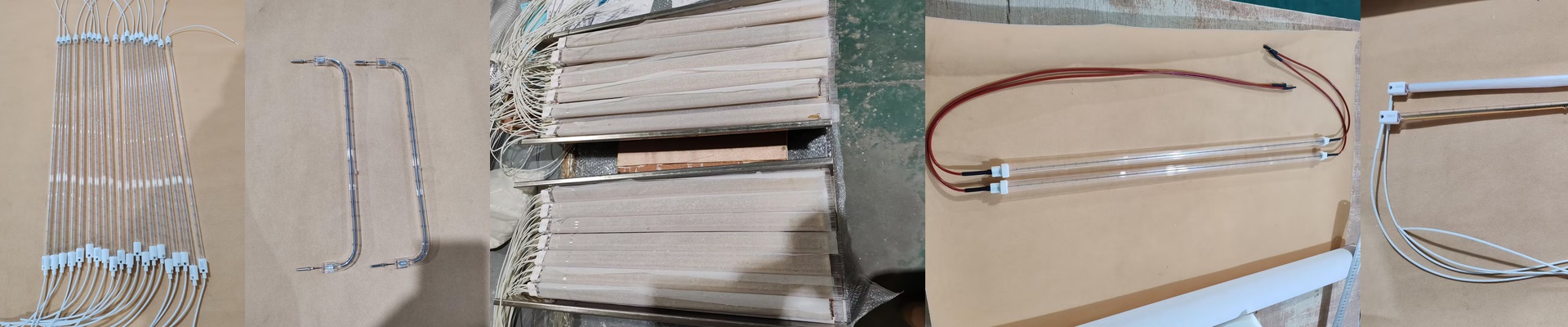
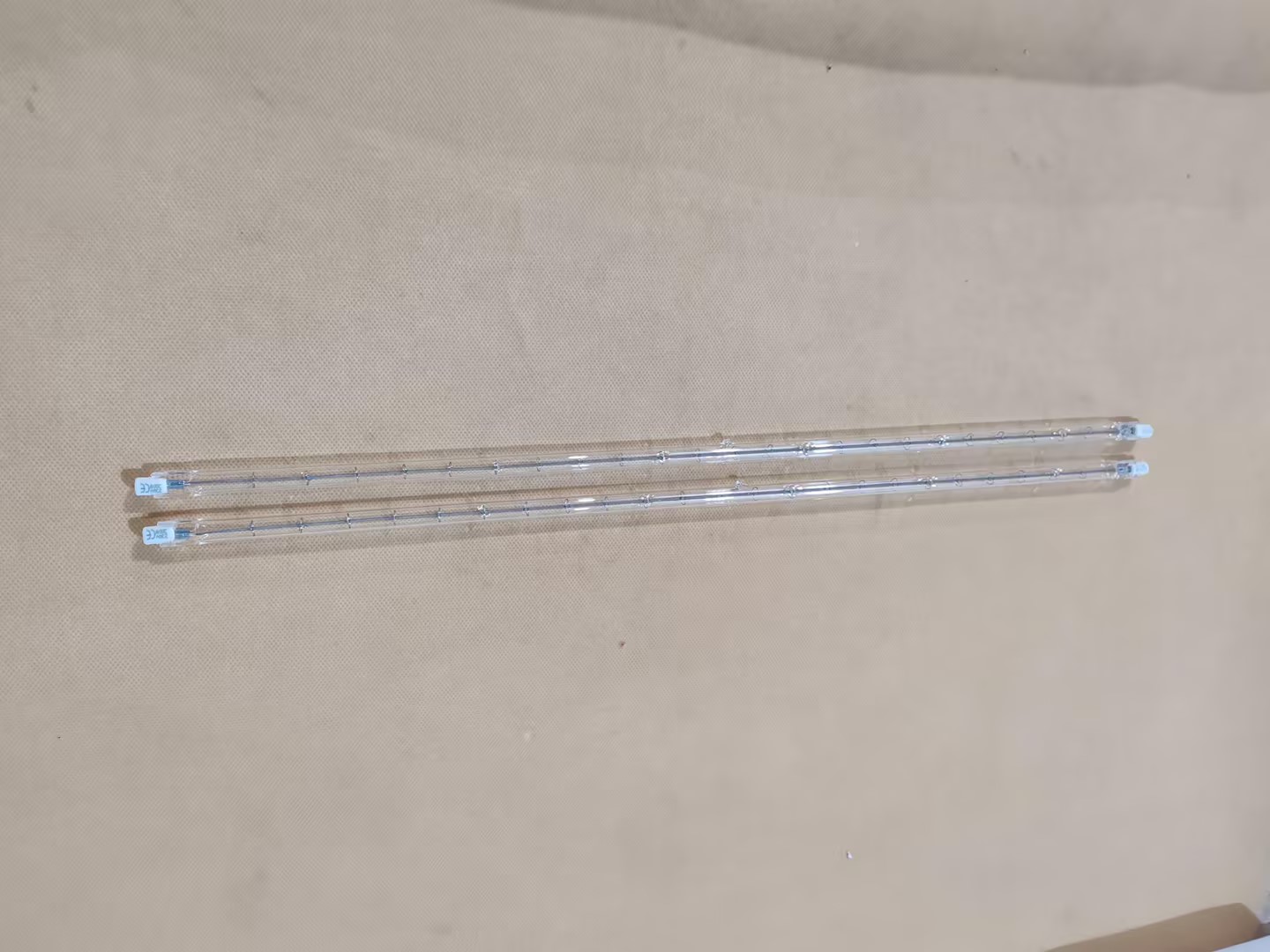
Think about a halogen lamp. On its own, it just throws heat everywhere—360 degrees of wasted energy. If you don’t have a reflector, you’re basically spending half your power heating up the frame of your own machine. That’s just silly. That’s why we use parabolic reflectors. They grab all that rear-facing heat and shove it forward into one tight, concentrated beam. It’s the difference between a lightbulb and a flashlight. Suddenly, you’ve got a precision tool instead of just a hot lamp. The trick is all in the curve. If you place the lamp filament exactly at the focal point of that parabola, the rays come out straight and parallel. No wandering. No wasted energy. But here’s the thing: you have to be precise. If the curve is off by even a couple of millimeters, you’ll end up with weird hot spots and cold zones on your workpiece. It’s a headache to fix later, so we make sure the reflector matches the lamp’s length and wattage perfectly. Otherwise, the housing just gets too hot. What are they made of? Most of the time, we go with anodized aluminum. It’s the old reliable of industrial setups. But if you really need to squeeze every single watt out of that lamp, gold-coated surfaces are the way to go. They reflect infrared light way better. One warning, though:**keep them clean.**A little bit of dust or a smudge of oil on the surface can ruin your focal point. Your output will tank, and you’ll be wondering why your heat isn’t hitting the mark. The trade-off Getting these wired in is the easy part. The real challenge is the heat. When you use a parabolic reflector, you’re concentrating a lot of energy onto one spot. It feels intense. Because of that, your cooling fans or water jackets need to be up to the task. If you crank up the wattage but skimp on the ventilation, things go south quickly. You might burn out the lamp ends or, worse, melt nearby plastic parts. It’s a balancing act—you want that rapid heating, but you’ve got to keep the rest of the system from cooking itself.