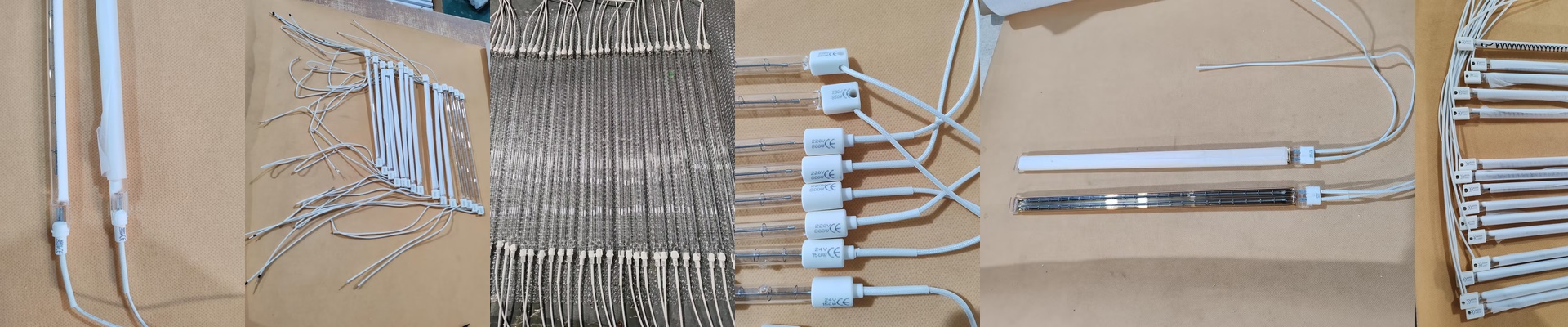
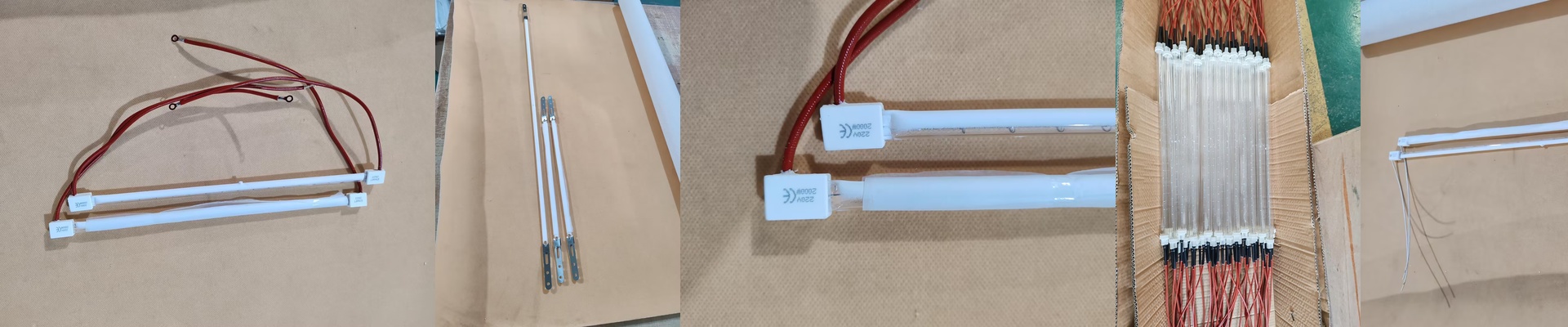
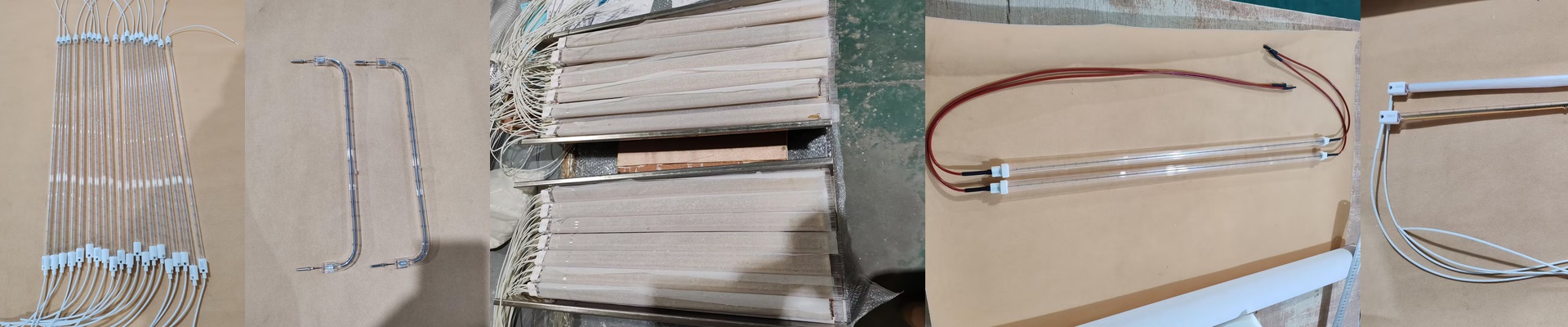
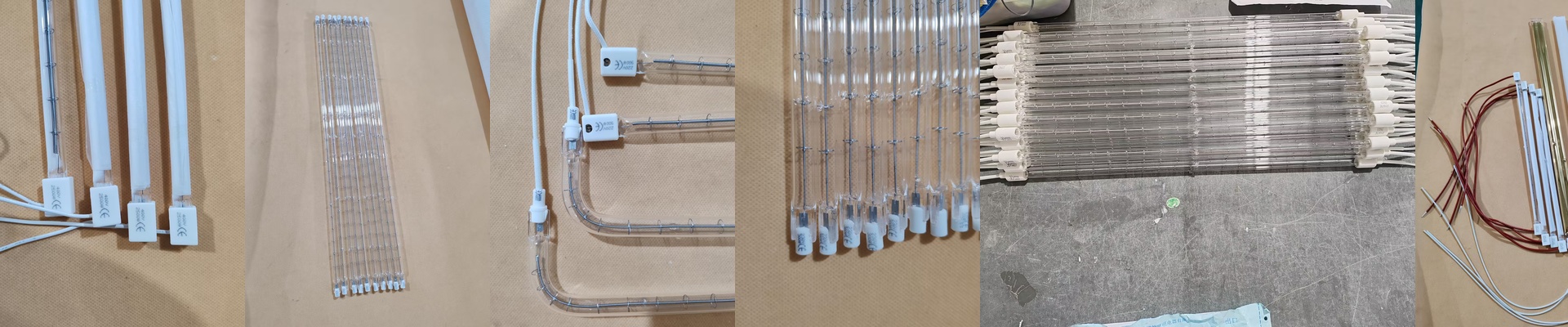
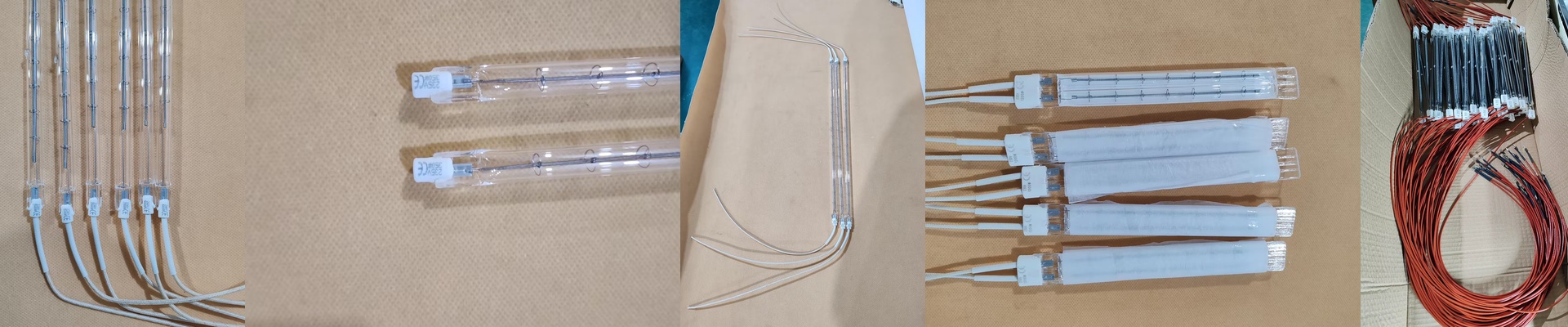
Let’s talk about shortwave halogen heating
Most heaters just warm up the air around them, which is honestly a waste of time. Our halogen lamps do things differently. They shoot concentrated thermal energy—shortwave infrared—straight into your workpiece. It’s nearly instant. You don’t have to sit around waiting for things to warm up; you just get the heat right where you need it.
The nitty-gritty on power and voltage
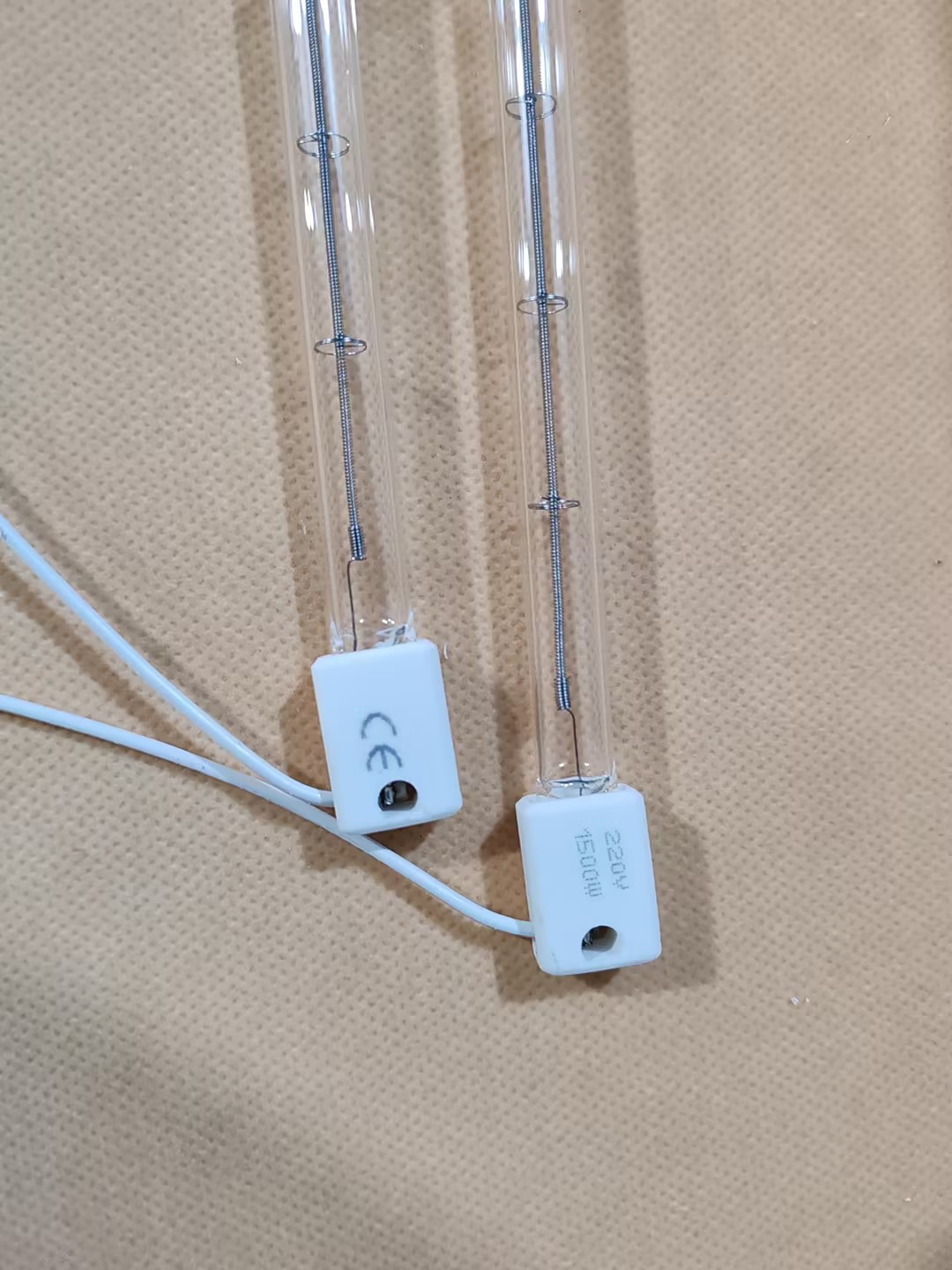
Here is the trick: the performance comes down to how much wattage you can cram into the length of the tube. If you pack a ton of wattage into a short space, you get an incredible amount of heat. Now, if you go with a high-voltage setup (like 230V or 400V), you can pull less current for the same amount of heat. That’s a win for your hardware because you can use thinner wires and smaller contactors. But there’s a catch. High-density tubes put a lot of stress on the quartz glass.**Keep your reflectors spotless.**If they get dirty, the heat bounces back into the tube and burns it out way faster than it should.
What goes into the build
We use high-purity quartz glass to protect the tungsten filament. We also rely on the “halogen cycle,” which basically stops the filament from evaporating too quickly. It keeps the lamp running longer. Depending on what you’re heating, we can coat the tubes in gold or aluminum. This tweaks the heat spectrum so it hits the surface of your material rather than soaking deep into the substrate. As for the plugs, we stick with R7s or Sk15 connectors. They’re standard for a reason—they just work. They slide right into most industrial ovens and handle the natural expansion and contraction of the heat without losing the connection.
Real-world use and a word of caution
You’ll see these lamps all over the place in plastic curing and PET bottle blowing. The best part? The “instant-on” capability. You aren’t burning electricity just to keep a machine idling. You turn it on, it hits the zone, and you’re moving. Just a heads-up: this kind of radiation is intense. If your cooling fans aren’t up to the task, the heat will build up inside your machine housing. That’s a recipe for fried sensors and melted wiring. Keep the air moving, and your gear will stay happy.