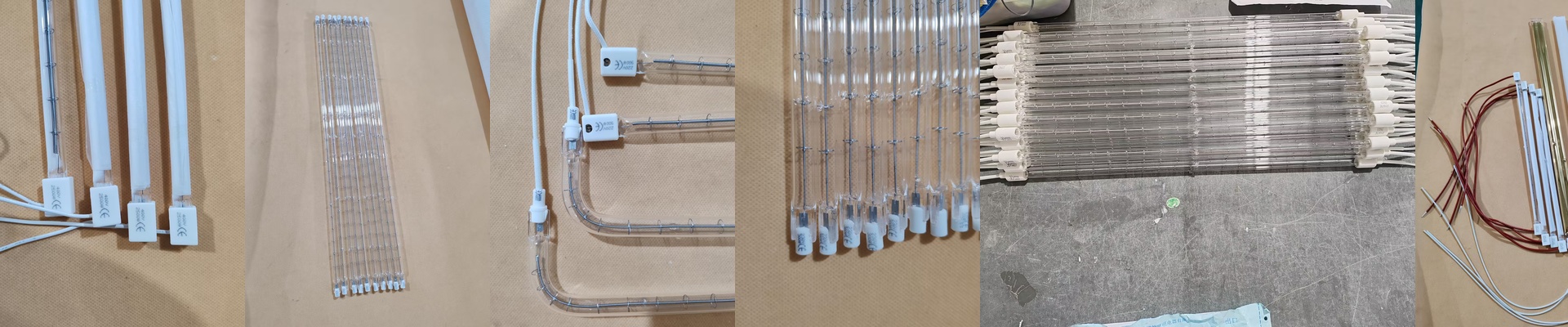
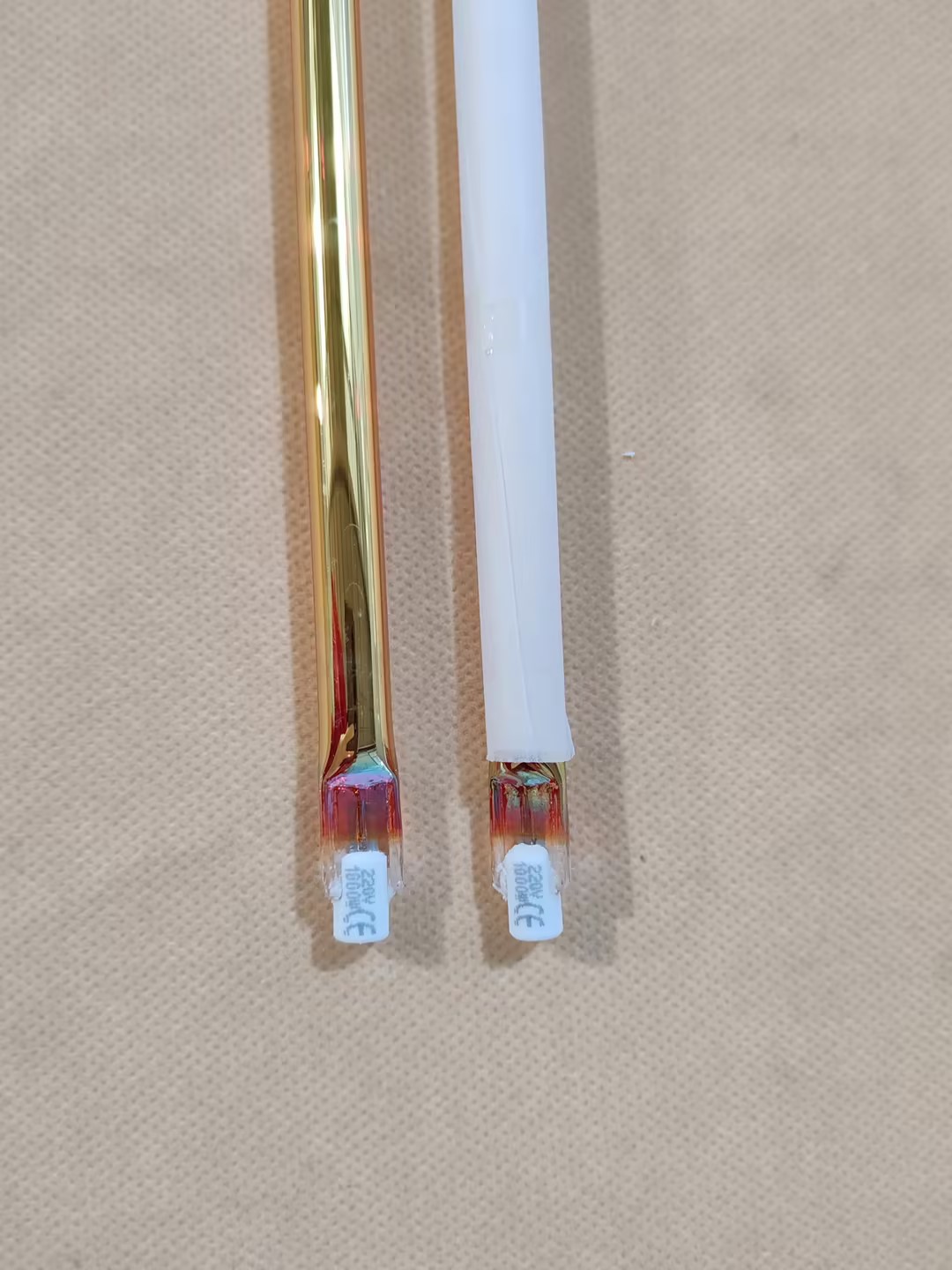
Let’s Talk About Halogen Surgical Lamps
When you’re digging deep into a cavity during surgery, you can’t afford to be guessing what you’re looking at. You need light—and lots of it. That’s why we stick with the tungsten filament and halogen gas cycle. The magic here is that the gas keeps the filament from gunking up the inside of the glass. It means your light stays bright and steady, rather than fading out right when things get critical. The balance of power Getting the wattage and voltage just right is a bit of an art. We focus on a high Color Rendering Index (CRI) because, let’s be honest, being able to tell the difference between two types of tissue is everything. But there’s a catch. High wattage meansserious heat. If your heat sink or ventilation is too small, you’re asking for trouble. The bulb will just burn out. It’s that simple. Handling the heat To stop the bulbs from literally exploding under the pressure, we use hard-quartz glass. It doesn’t expand much when it gets hot, so it won’t crack when you hit peak operating temps. We also use reflectors to keep the beam tight and focused. And since these lamps move around a lot during a procedure, we made the connectors snap in tight. No one wants a flickering light or an electrical arc in the middle of a surgery. The real-world trade-offs These are pretty much plug-and-play for most standard light heads. Some surgeons actually prefer them over LEDs. Why? Because the light is warmer, which helps a lot with depth perception. It just feels more natural. The downside is the infrared radiation. These things get hot. You’ve got to be mindful of the lamp head’s footprint so you aren’t baking the sterile field. One last tip: double-check your voltage rails before you wire everything up. If you over-drive the filament, you’ll blow it.