Stop Letting Your Energy Bill Eat Your Profits
Let’s be honest: energy costs are a nightmare for anyone in plastic processing. Whether you’re doing PET blowing or film extrusion, every cent counts. Most people just toss in a generic heating element and call it a day. But there’s a massive difference between “just getting it hot” and using a precision quartz lamp. One wastes kilowatts heating up the air in your shop; the other puts the heat exactly where it needs to go.
The Secret is in the Heat Density
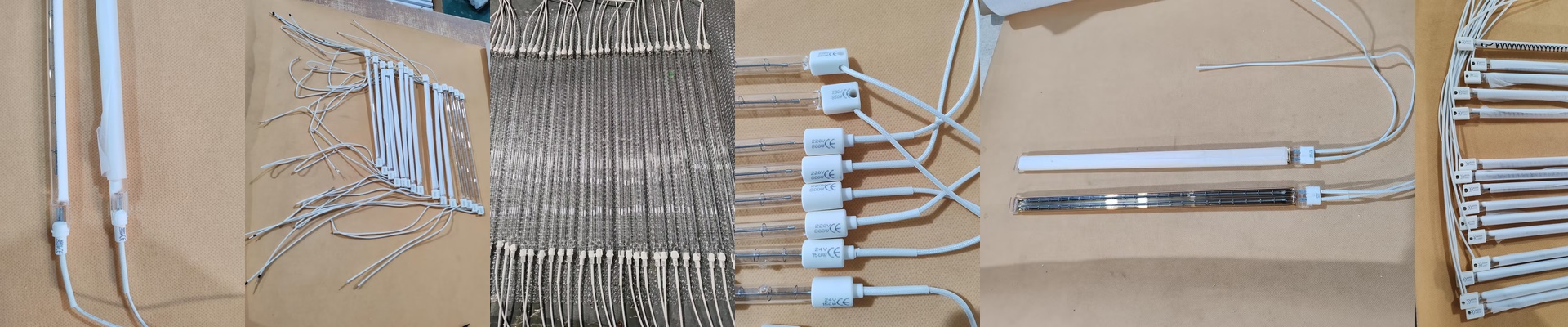
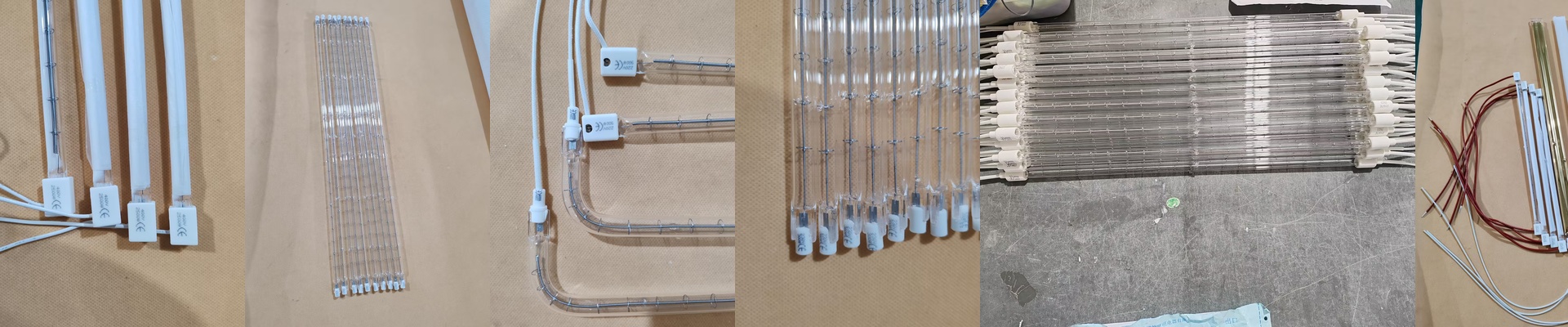
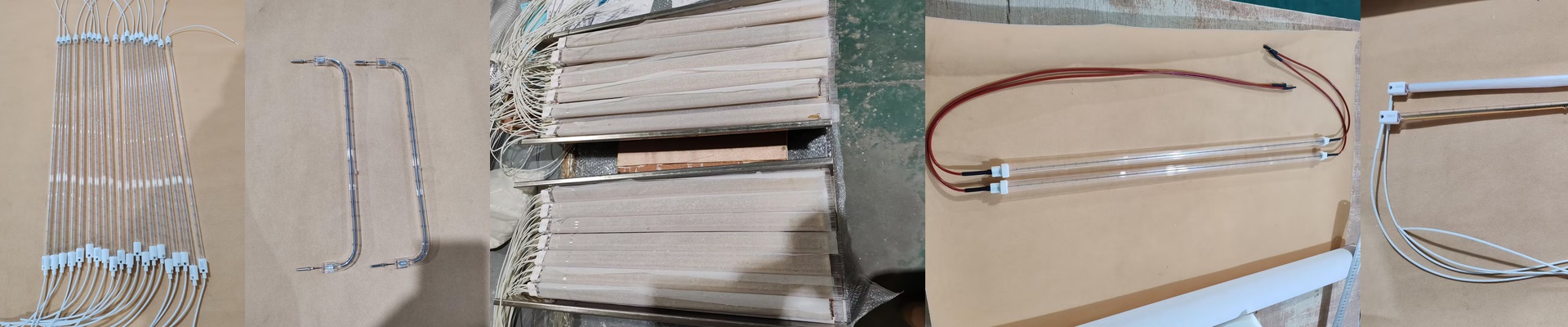
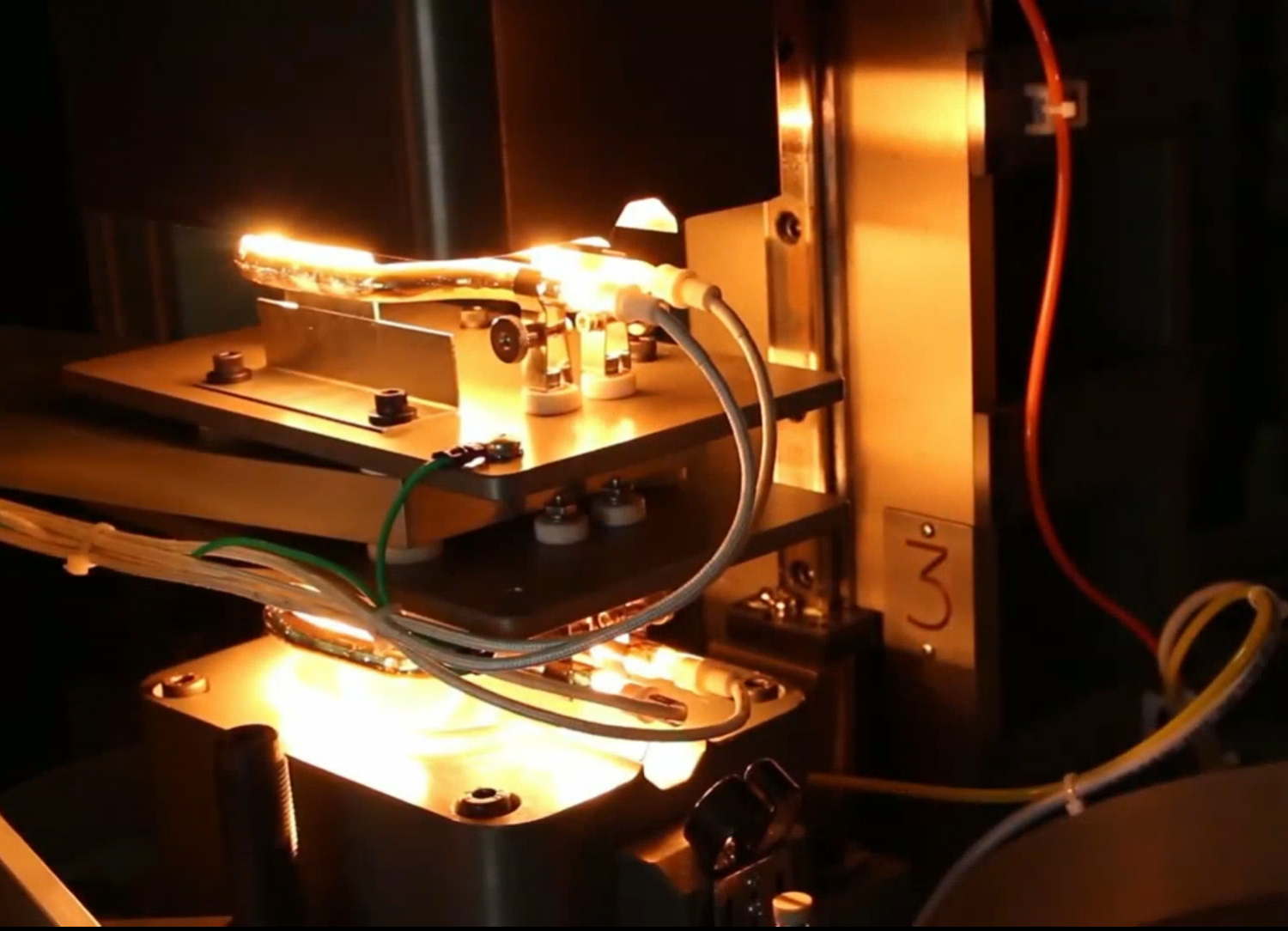
Here is the thing about standard lamps: they leak. A lot. We do things differently. We focus on short-wave infrared (SWIR). By tweaking the tungsten filament and the quartz envelope, we concentrate the energy into a tight spectrum that plastic polymers just soak up instantly. It’s fast. Really fast. That means your ramp-up times drop, your cycles get shorter, and you aren’t burning power while the machine sits idle.
The Nitty-Gritty on Materials
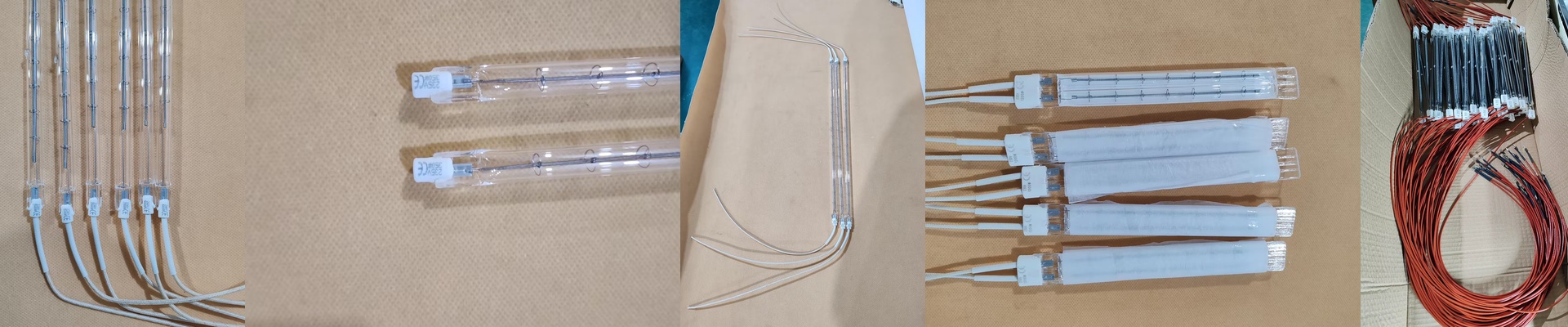
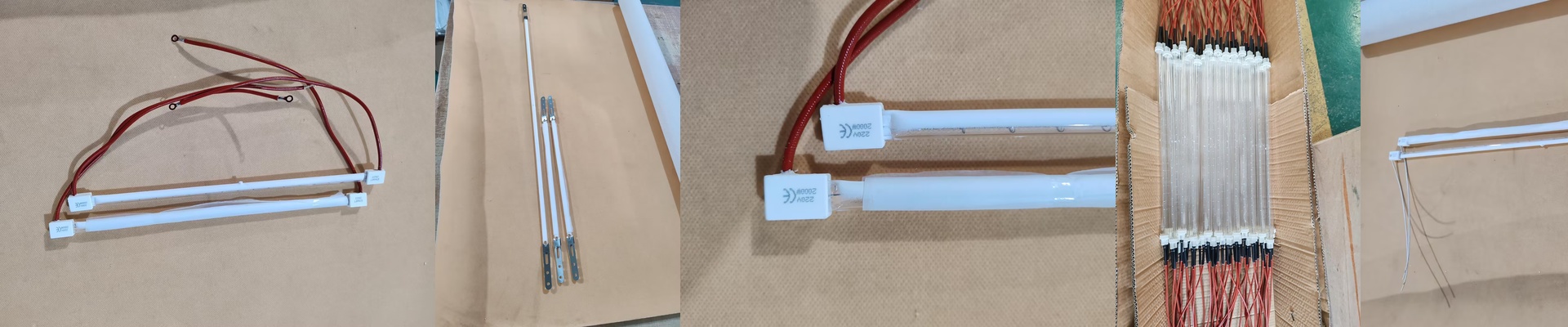
We use high-purity fused quartz. Why? Because cheap glass bows or clouds over when things get hot, and that’s a recipe for failure. Then there’s the halogen fill. It keeps the lamp running hotter and lasting longer because it stops tungsten from gunking up the inside of the glass. It just stays cleaner, longer. But you have to be careful with your power. A high-wattage tube packs a punch, but it puts a real load on your power supply. If your wiring can’t handle the current, you’ll get voltage drops. Then your heating becomes inconsistent, and everything starts to go sideways. That’s why we offer different connectors, like R7s or Sk15. You want that lamp sitting tight in the housing. If it’s loose, you get arc-over, and you’ll end up burning out your socket. Not a fun way to spend a Tuesday.
What This Actually Does for Your Wallet
Cheap systems tend to “over-shoot.” The heaters kick on and off aggressively, which wastes a ton of electricity and—worst of all—can actually degrade your plastic. Our quartz lamps are different. The heat is stable and linear. You’ll see fewer scrap piles. Your electricity bill will actually shrink. At the end of the day, it just means you’re making more money on every single kilogram of resin that goes through your line.