Swapping Out Your Heaters: Getting the “Domestic” Shift Right
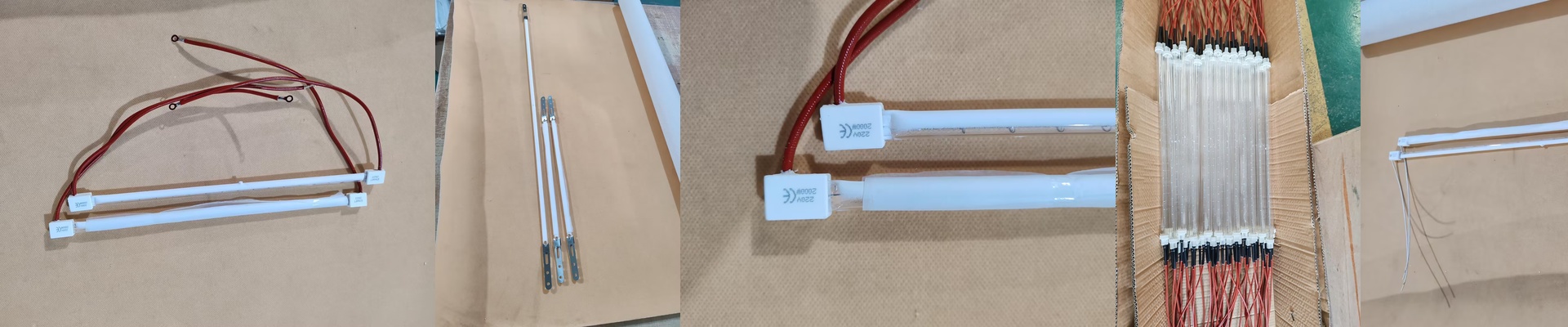
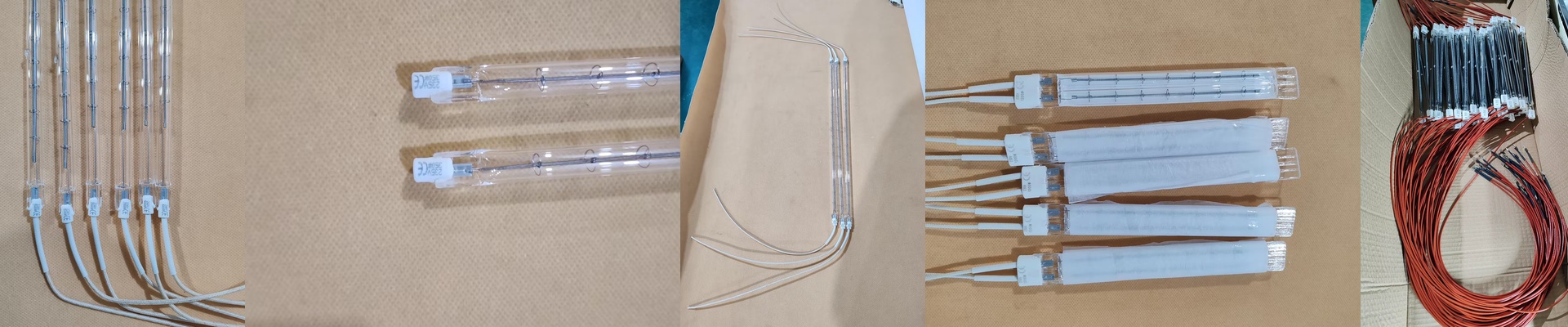
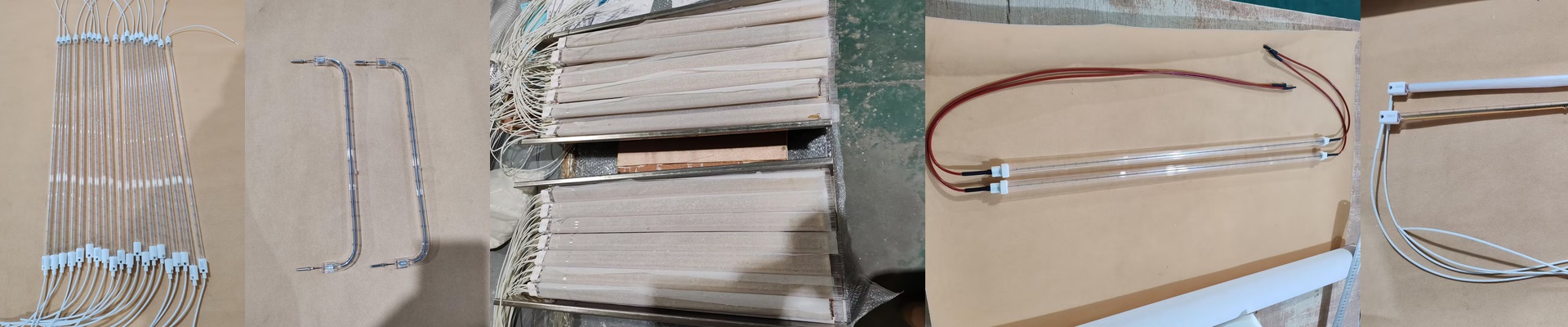
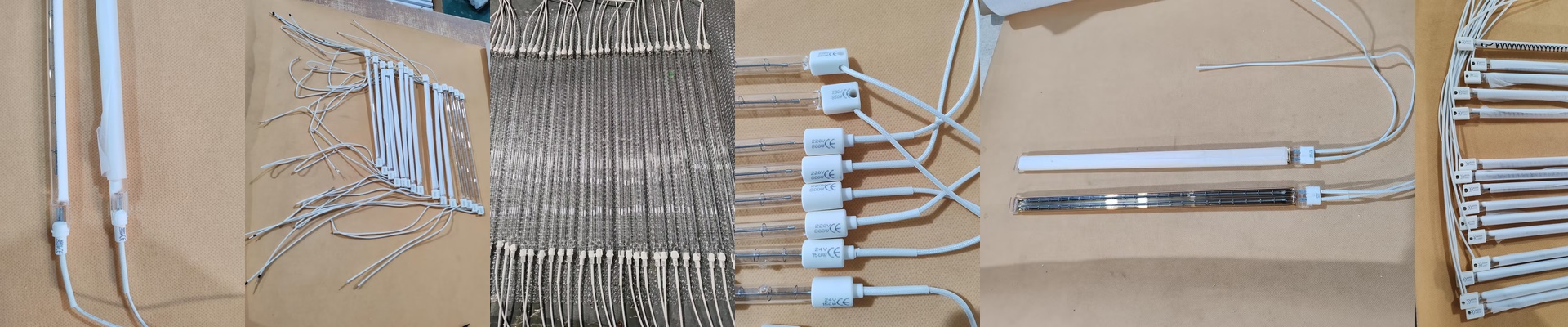
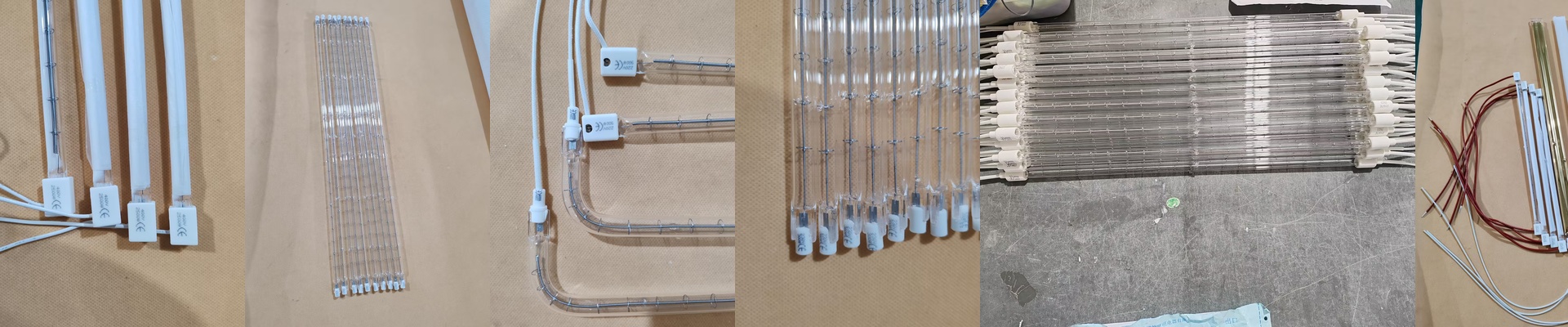
Most automotive injection lines start out with European infrared heaters. They’re the gold standard for a reason—they’re stable and they just work. But eventually, procurement comes knocking, asking about “domestic alternatives.” Here’s the thing: this isn’t just about finding a cheaper bulb. If you get the wattage density or spectral output wrong, your cycle times go out the window. And in this business, that’s a nightmare. The nitty-gritty on the tech You can’t just match the length of the tube and call it a day. We spend our time obsessing over the tungsten filament grade and how pure the quartz actually is. If the quartz is low-grade, you get these annoying “hot spots.” Those spots eat the filament alive, and your heater burns out way too soon. For those high-output auto parts, you need something that hits the target temperature in seconds and stays there. No drifting. No guessing. Making it actually fit Nobody wants to spend a weekend rewiring a machine. A replacement should just slide in. Whether you’re using a standard R7s or a custom lead, the connector has to fit the existing harness perfectly. We make ours plug-and-play because that’s how it should be. Plus, if the voltage is even slightly off, you risk overdriving the filament, which is a fast track to a broken part. The hidden trap High-wattage quartz tubes are great because they pump out massive heat quickly. But there’s a catch. All that power puts a lot of stress on your reflector plates. If your reflectors are warped or oxidized, it doesn’t matter how good the heater is—the heat won’t bounce back into the plastic. You’ll be paying for power that’s just disappearing into the air. Why this actually works Most engineers come to us once they see the actual data. We run the same thermal mapping and lifespan tests as the big European brands. You get the same heat flux, but you stop paying that “brand tax” just for a logo. We give you the specs, you check your cycle times, and you realize you didn’t have to sacrifice quality to save a bit of budget.